• Photography
  • Interviews
  • Business
  • Reviews

Tiffinbox

Inspiring Photographers

  • Home
  • About
  • Blog
  • Contact

How Capture One Changed My Event Photography

August 5, 2024 by Joe Jenkins

Reese Witherspoon at the Docusign event. Photography by Joe Jenkins Photography.

Reese Witherspoon at the Docusign event. Photography by Joe Jenkins Photography.

My name is Joe, and I’m a professional photographer in New York City. My primary focus (I find it impossible to go one paragraph without running into a photography pun) is on event work and portraiture. Since falling into this occupation in 2013 and up through 2023, I edited my event work in the same manner that 98% of the rest of the professional event community does – with Adobe Lightroom. Lightroom in and of itself is a fantastic program and principally shines as a workflow workhorse – allowing you to get through huge volumes of images in a professionally respectable time (and let’s face it, its cataloging system is amazing).

My Process Prior to Capture

Prior to using Capture One for my event photography (you’re welcome to view my NYC event photographer portfolio here), my process for loading and editing was fairly standard and straight forward. I would:

1. Load the images
2. Cull the images
3. Adjust exposure as needed
4. Add a global contrast boost by around +20
5. Export to JPG

That’s it. That’s pretty much all I did – and every time. Sure, every now and again I might need to pull up some shadows or pull down some highlights in danger of clipping, but other than that, there was a rather large creative vacuum in my work.

Granted, the vast majority of said work was for corporate events and nightlife (two areas of photography in and of themselves that don’t require the most creative amounts of editing in the world), and so my editing process over the years was largely mechanical and clients never complained.

Where it all Began

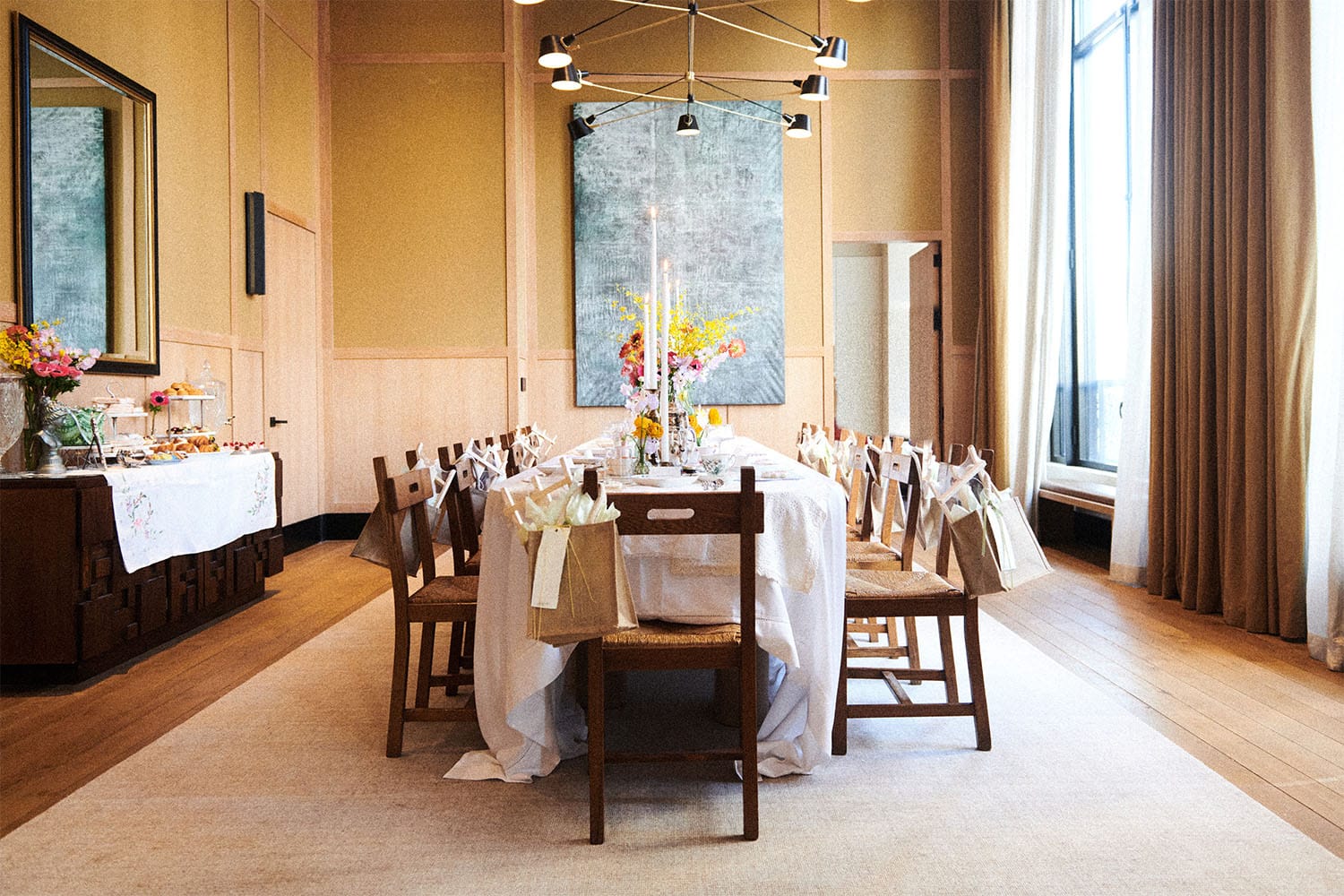
My first forays into using Capture for my event work began with a bridal shower over by Wall Street – it was being hosted in the bride’s apartment building. Not really having an idea on what to expect, in I walked that afternoon on one of the most inordinately nice “afternoon tea” setups I’ve ever been to (not that I regularly walk in on afternoon tea setups, but you get the idea).

The room itself had this old Edwardian/Victorian feel, with a center long table decorated meticulously for the occasion and a couple lace curtain windows softly lighting everything.
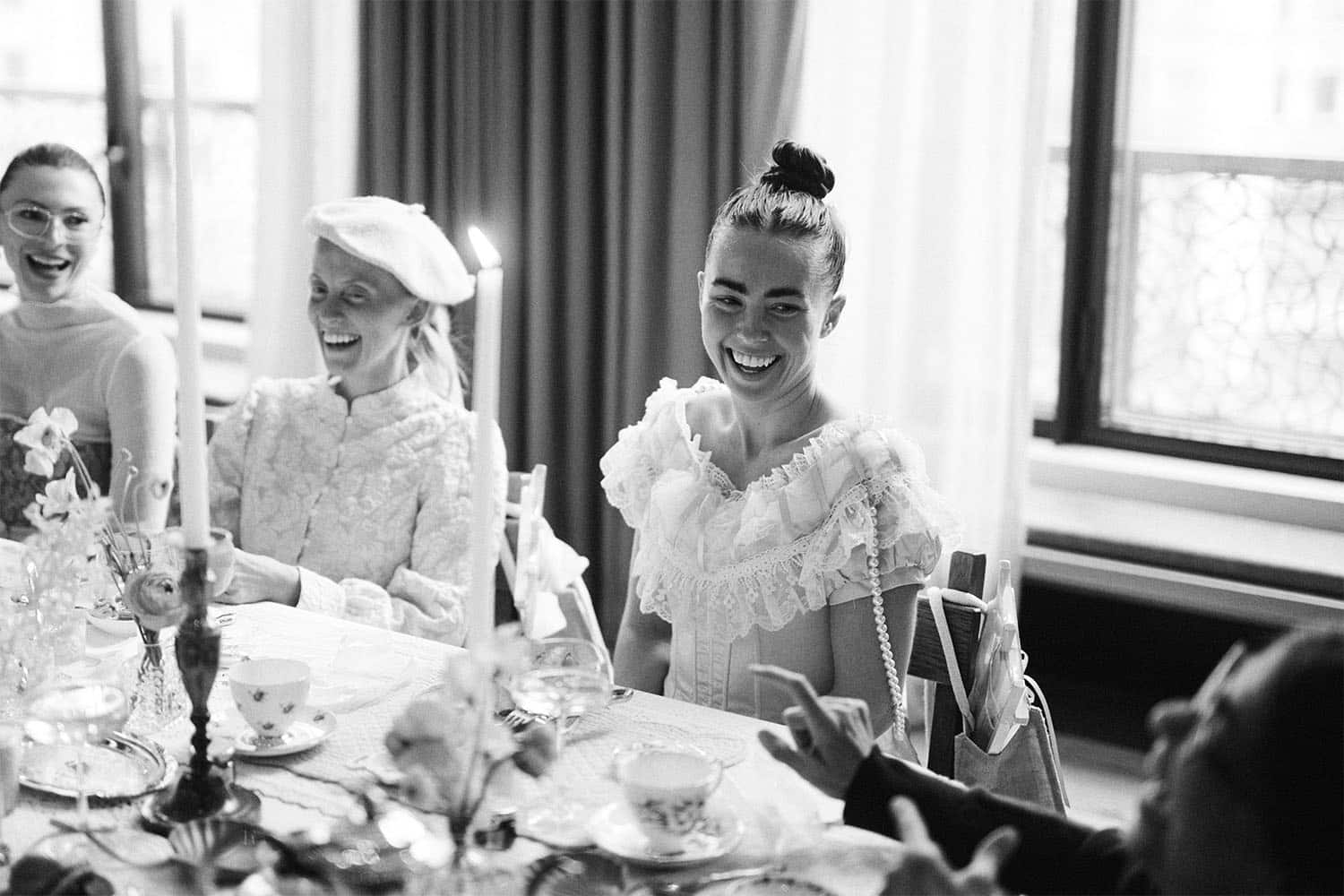
Everyone in attendance (all women, as its a bridal shower) was dressed thematically for the day (the theme being something akin to Downton Abbey).

I didn’t think too much about all of it until afterwards, when while going through the album I felt the need to do…more. I’d photographed a hundred+ setups and showers over the years just like this, but for some reason felt the need this time to either express myself a little more creatively or simply just put a little more oomph into their edit. I suspect much of this came from familiarizing myself with Capture One over the preceding couple years as I pursued a career in fashion photography and became ever more familiar with what it could do, but either way, I felt the need to do a little more than just load, cull, exposure-adjust, contrast boost, and export.

And so I began an edit over the afternoon that, when the dust settled, I was pretty freaking proud of. I’d warmed things here, I’d exaggerated things there. I added massive amounts of grain pretty much everywhere. And the end result was a really amazing bridal album that made me look at what not just Capture One was capable but what I was capable of in an entirely new light.
Quality over Quantity

Backing up a bit, it was opening up a studio in Brooklyn and beginning to dabble in the world that is fashion that I came to more frequently use Capture One. As Capture One is the de facto application for commercial portraiture, I spent my days fluctuating between using Capture One for my headshots and fashion portraits and Lightroom for my event photography (which constitutes everything else).

And then the above bridal shower happened and everything changed for me.
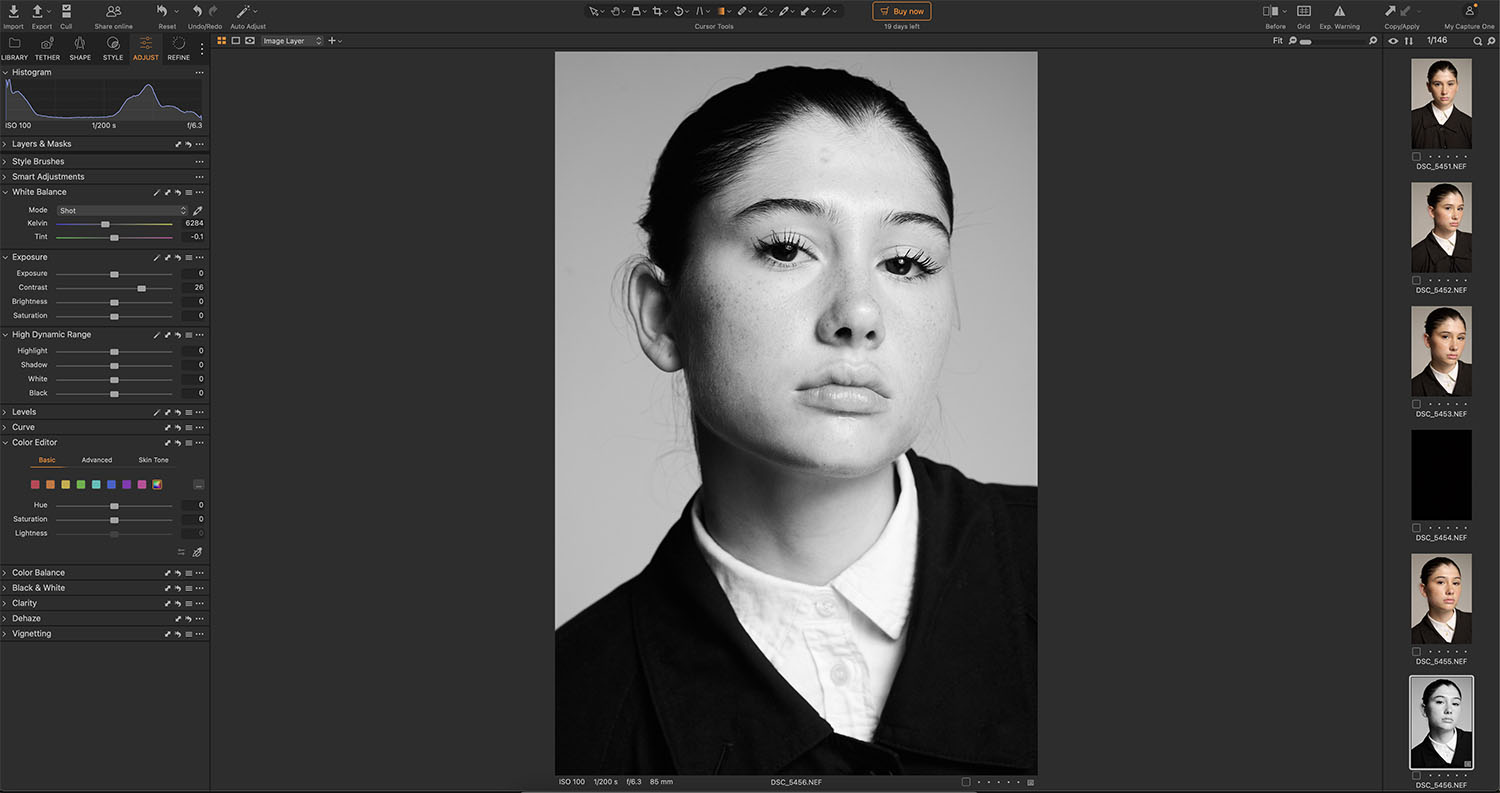
Screenshot

The main difference between Capture One and Lightroom (at least in my eyes) is that Lightroom is primarily a cataloging and workflow system – built for large volumes of images that a professional needs to get through in an efficient manner. Capture One, on the other hand, is built for the development of one singular image at a time.

I do a ton of fashion testing, for instance, and multiple times per week. An average test shoot with a modeling agency here in NYC is around two hours. Out of those two hours, I’ll take anywhere from 200-300 images. Out of those 200-300 images, I’ll send out anywhere from 10-30 end retouches (and that’s fairly above the standard. The standard is between 5-10).

And with this said, the interface that Capture One uses is much more similar to the sort of interface found on applications like Adobe Photoshop (I actually call Capture One photoshop for RAW files all the time) – it has an absolutely massive array of singular tools; each one serving the purpose of developing one image.
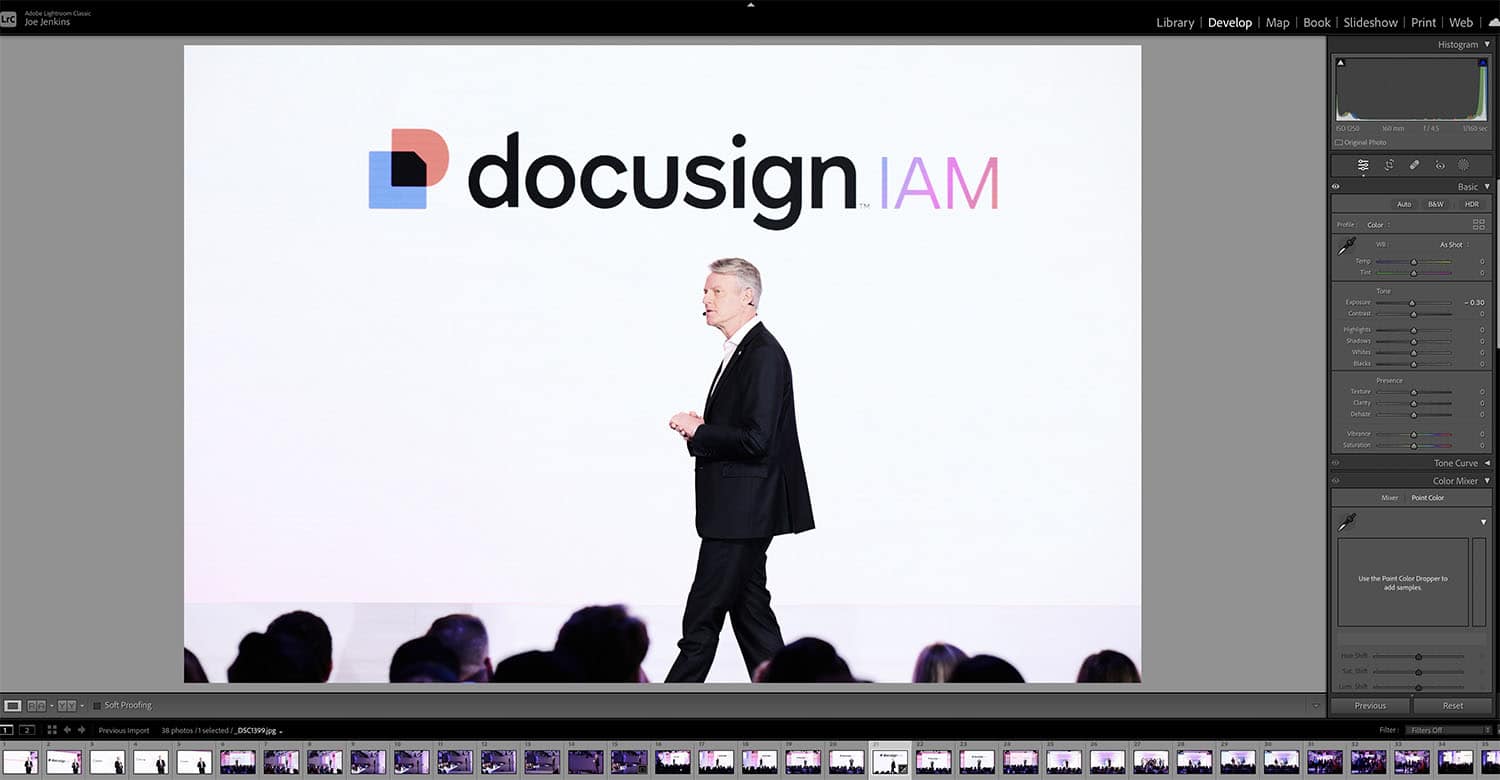
Screenshot

Lightroom’s interface, on the other hand, is rather underwhelming in comparison. While Capture one places a veritable bevy of tools in front of you that are easily accessible, Lightroom’s are a bit scattered across the panel and just visually not anywhere near as neatly organized.

With this said, working in Capture One encourages you to spend more time on the development of one image (even if it’s just a couple minutes, whereas Lightroom for me has always been about editing in bulk.

Masking

Masking in Capture One is as second nature as breathing – I can’t recall a single capture session I’ve had of late that hasn’t involved me masking some area of the image for correction (bringing up shadows, for instance). I’ve an Intuous Pro, by Wacom, and using this with Captures Brush tool feels just so —- second nature.

Masking in Lightroom never felt quite as intuitive or responsive – and I’d usually only ever use it as either an afterthought or when some glaring part of the image required me to do so.

And, let’s face it – masking is definitely an editing pillar, to the point where I’ve no idea how I’d be able to function (whether it be in photoshop, capture, or whatever) without it.

Your Client Will Appreciate It – Summing Up

One of my larger assignments for the year was shooting for Docusign. They were hosting a two day conference at The Glasshouse NYC and it was for both a new brand reveal, as well as the usual set of conference promotionals and (occasionally) theatrics. I was chatting with my onsite coordinator the day of, and I made the off-hand remark that 250 super strong images are infinitely better than 3000 mediocre ones.

His eyes widened as if I was the first photographer that’d come along in years that ‘got it’ and he emphatically and enthusiastically agreed.

When shooting events (or anything for that matter), often times we fall into the trap that more is better. More images. More assets. More variations. More more more.

And that’s not the case at all.

Eight powerful images are priceless in comparison to 100, or 1000 bland ones.

And Capture One forces you to think this way – in that you’re developing a smaller set of infinitely more valuable assets for your client. Sure, some events maybe involve culling and exporting thousands of images – whereby spending five minutes on one photo isn’t really practical. But, even if you spend maybe thirty to sixty seconds more time on that one photo, or just think about it singularly, rather than just a small part of a whole, it might be that one photo that makes your client lose his or her veritable mind.
Filed Under: Featured Post of the Day!, Guest Post, Humor, Photo Technology

Tony Taafe’s TNT Method For Headshot Photographers

August 19, 2020 by Matthew Hamilton

TNT Method Banner

Tony Taafe's TNT Method

As photographers it can be really easy to put the business and sales side of our work on the back burner and focus heavily on our creative craft. In my quest to better my business, I stumbled across Tony Taafe’s “TNT Method” tutorial. This tutorial is a blueprint for not only bettering your client interactions but it is also helpful in other parts of your business. The tutorial caters to headshot photographers but it can definitely be related to other photography genres (or in fact any business venture!).

In the first year of his photography business, Scottsdale Arizona based headshot photographer Tony Taafe made $60,000. By his third year in business he was making $250,000. Tony is now looking to help other portrait photographers achieve these numbers through his TNT Method which helps to show them how to get there. 

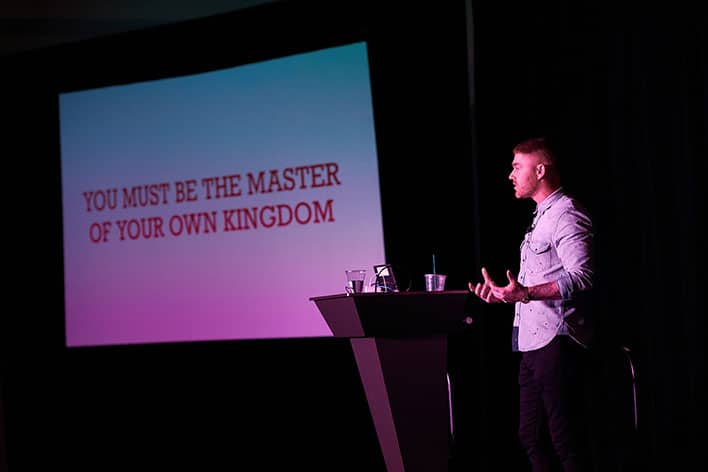
Tony Taafe Presenting On Stage

Tony’s strategy is obviously working for him, and working well. He came from a background in car sales in the UK and had worked for companies such as Audi and Bentley. Over those years Tony won several awards and obviously learned a lot about customer service. As he started his photography career these experiences were clearly beneficial to him as he positioned his product as a luxury one.

TNT Method Facebook Group

The tutorial is divided up into digestible bite sized videos to make running through it a breeze. In addition to the over 2 hour tutorial, you also get access to Tony’s private “TNT Method Facebook” group. The participants in this group discuss all things “sales” in their portrait photography businesses. This group is a fantastic way to keep in touch with other photographers who may have similar questions as you.

I have found that it is a very safe environment to learn alongside like-minded individuals. Inside this group you will hear both success and failure stories from other photographers. This can be a huge help and motivation for how you operate your shoots moving forward. 

Part of the tutorial also includes commentary from world-renowned headshot photographer Peter Hurley. Peter, who has had no issues creating a successful and lucrative portrait photography business, talks about how the TNT Method changed his sessions for the better, and has made him even more money. Seeing two very successful headshot photographers, Tony and Peter interact and talk business in this one tutorial is truly remarkable and a great pleasure to watch. Having someone like Peter endorse this strategy, made this an easy purchase for me to make. 

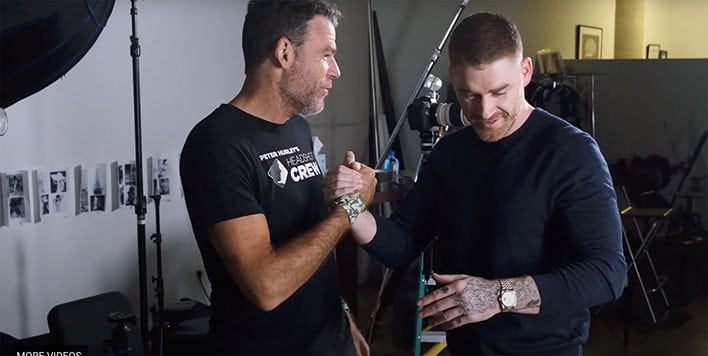
Peter Hurley & Tony Taafe Shaking Hands

I went through the tutorial and compiled an overview of some of the main chapters. You can decide whether you think it will help you in taking your business to the next level. I know from personal experience, after applying the tactics he outlines in the tutorial, my individual session sales have grown and my clients are more informed of the session process (more on this later). 

Removing Obstacles To Buy:

I am a sucker for comparing the business of photography to the way other businesses are run. I knew I was going to enjoy this section when Tony started out by touching on how easy it is to buy products on Amazon. “Have you ever used Amazon Prime?” Tony says. “What you do is you swipe at the bottom, and a package arrives two days later. It’s easy.” This intro really changed the way I think about selling my photography products.

There is no reason why our products can’t be as easy to buy as the ones that are on Amazon. This is where removing any obstacles to buying our products comes into play! Tony spends the remainder of this video listing ways photographers get in the way of themselves when selling their service. I think there are definitely some things on this list that I hadn’t thought of as hindering my ability to sell before, so it was certainly eye opening. 

Decisive vs. Indecisive Buyers

This section covers the different types of clients you will run into during your sessions. Tony talks about both decisive buyers and indecisive buyers and how to handle each. I had never thought about the different characteristics my clients showed throughout my shoots before. He began to list things that decisive and indecisive buyers will say and how you can know who falls into each category.

When the decisive buyer comes in “they will probably have less outfits and they are going to have a purpose for every single outfit.” Whereas the “indecisive buyer will come in with more outfits than they can carry.” This plays into other behaviors as well. Choosing photos, backgrounds etc.

Knowing if I am shooting with a decisive or indecisive buyer is definitely something I will continue to use to my advantage during my sessions. I feel as though I know so much more about the psychology of my clients purchasing decisions and how to communicate with them as individuals. 

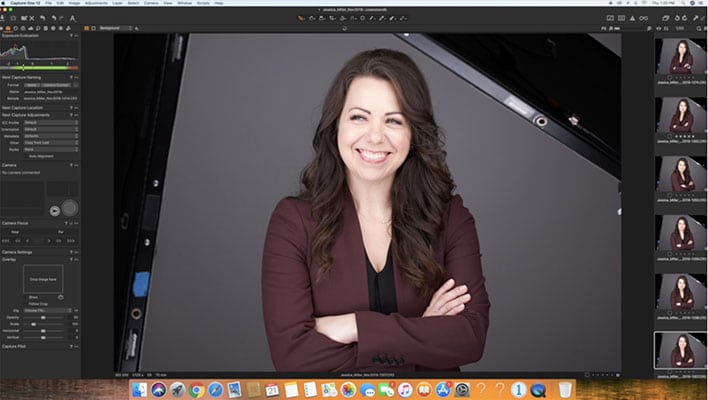
TNT Method Shooting

The Process:

Something that Tony focuses heavily on during the tutorial is the client experience. He mentions simple ways and tips you can use in an effort to improve upon what clients experience. Things like offering your client beverages when they arrive, allowing unlimited time per shoot, and also clearly explaining the shoot process throughout all of your communications with them.

All of these examples add up to show your clients that you really care about them, their experience and they feel that you are taking care of them. 

Putting This To Use:

Throughout the beginning stages of this course I felt as though I really wanted to see the tactics Tony talks about in action. All of what he was saying sounded great but I didn’t know how it could be used in the real world. Luckily towards the end of the tutorial Tony and Peter team up to do a “mock shoot”. They show everything, from when Tony (client) first walks into Peter’s (photographer) studio, to the final image selection process. This quickly became my favorite section of the entire tutorial.

Periodically there are also cutaways to Tony discussing what Peter is doing right and (more importantly) wrong throughout the shoot and sales process.  I found this section to be so helpful as it showed me direct application for a shoot. 

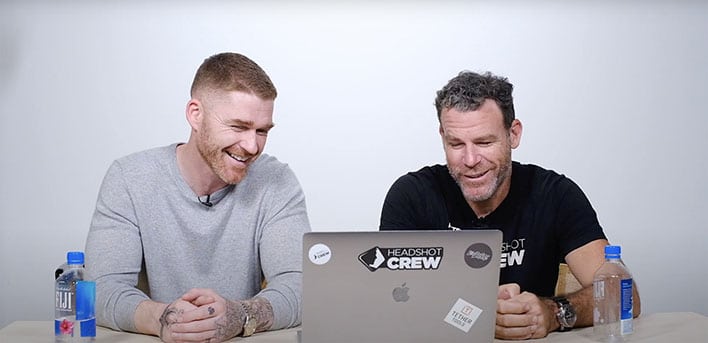
Tony Taafe and Peter Hurley

After watching this tutorial series I am better equipped than ever to not only increase my individual shoot sales but also provide my clients with an overall better experience. Since having taken so much of what Tony talks about and applying it to my photography business, I have without a doubt increased my average session sale.

I have also been hearing many positive responses from my recent clients. They love it! Some reviews clients have left online show that they like how clear the shooting process is laid out on my website and how clear and easy I make it for them in person.

Where You Can Buy Access To The TNT Method:

I believe this tutorial can truly be a game changer for you and can also help improve upon any current sales strategies you may be using. 

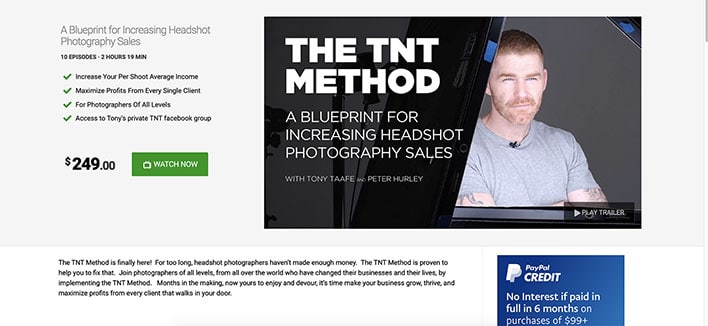
TNT Tutorial Offer

The TNT Method with Tony Taafe can be purchased directly on the Headshot Crew website. Please note, you will need to have or sign up for  a free or paid account on the Headshot Crew in order to purchase the tutorial which can be had for $249.

Are you currently using any specific sales strategies for your business? Have you implemented any of the tactics talked about in this article? Let me know in the comments as I would love to talk about what is and is not working for you! 

Filed Under: Business, Education, Guest Post, Home Middle Right, Sales Tagged With: a system of sales, headshot photographers, Peter Hurley, sales for headshot photographers, TNT method, Tony Taafe

As A Travel Photographer, How Do You Connect With People?

April 29, 2020 by Greg Thomason

Being The Calm Travel Photographer

I had the Maasai warrior posed right where I wanted him. He looked strong and confident as he stood on a rock, with the Kenyan grasslands spread out behind him. I made an environmental portrait. It was time for my bread and butter, the close-up portrait.

As I exchanged cameras in my shoulder bag, the camera with the 24-70mm lens slipped from my grasp. The warrior and I watched as it hit a rock, bounced off, and struck another. I picked it up and did a quick check.

Both camera and lens were down for the count. I hid the shock I felt, put it away, and went with my second body and a 70-200mm lens. He looked at me and asked, “aren't you worried about your camera?” I replied, “of course I am. However, this is the only time I will ever have you in front of my camera. The broken one will wait.”

He gave a sly smile, and we made some memorable portraits.

Later, the young warrior approached me and asked if he could give me a Maasai name. The warriors named me “Malubo” and explained it meant I was “the calm one.”

Following the incident, the portraits I made had a more reliable connection. They knew I respected my time there, and our bond became like a chain connecting us. I may not always stay calm, but I will forever cherish the name, and the time spent with the Maasai.

Greg Thomason: Travel Photographer

© Greg Thomason | https://gregthomason.com

Connecting With People

As a headshot and portrait photographer, I know how important a connection with your subject can be. Often, the relationship is what makes the difference in a technically sound DMV photo, and a photograph with meaningful expression.

Developing a quick relationship with my subjects in the studio has made me better at connecting with people as a travel photographer. However, if you don't photograph people as often, you can still practice.

Make portraits of friends, and practice getting them comfortable in front of your camera. Then go to a busy area in your town or city and approach a few interesting people for a candid shot. I have found if you can approach someone in your town, you certainly can when you are the tourist.

Do You Change The Scene?

I hear travel photographers say they don't want to affect the scene. That's ok for them, but I welcome the interaction. My feeling is that we already change the scene with our presence. Human nature is almost universal. Social norms and culture can influence actions, but human desires are always present. Humans want to be respected and acknowledged.

There are few times a photographer has little or no effect on the subject. One is when the subject doesn’t know the photographer is present.

Other times are when the subject is distracted by intense concentration, such as war or sporting events. I believe almost every time the photographer changes the scene just by being there. That goes for news, documentary, and travel photographers.

Greg Thomason: Travel Photographer

© Greg Thomason | https://gregthomason.com

A Few Examples

Does the protestor become more emboldened by the press on-site?
Does the researcher become more self-conscious by the subject's presence?
Does the woman in the market hold herself differently at the presence of the travel photographer?

I believe the answer is almost always yes. That is not to say the subject's behavior is radically influenced, but it is. If we photographers affect the scene, why not do it positively, both for those we photograph and for ourselves? How do we do this as a travel photographer?

Add A Little Humanity

First, treat everyone as a human worth your time. Remember, your subject is a person, not a zoo animal. Acknowledge them with a wave, head nod, or greeting. A common language is not required.

Learn The Language

Speaking of language, learn a few words in your subject's native tongue, even if most speak your language as well. This approach helped with some kidding around when I told a Samburu warrior to look brave, like a lion. We had already been joking around, so he cracked up laughing when I took the photo, looked at the back of the camera, and told him in the Samburu dialect of Maa he looked like a warthog.

Do things to endear you to your subjects. Language and respect go a long way here. However, in the right context joking around can bring you closer. I have attempted to sing along with Samburu tribesmen. I won't be winning any singing awards, but the tribesmen asked me to come back and camp in the village. Be vulnerable; after all, you are expecting your subjects to be.

Know The Social Norms

Of course, research is essential, as it is with any photography. You must know the laws, as well as the social norms, of the locations you visit. Know whether or not certain hand motions are offensive. Look into what extended eye contact may mean. Look into how to greet, and act around, the opposite sex.

Especially in cities, make sure you know what might be off-limits to photograph. I thought I did but ended up getting detained in N'Djamena, Chad, when I took photos in a crowded market. That's another story, but it all turned out ok.

Pay attention to how the locals greet and act around each other. How do they stand? If they stand inside the personal space you are used to having, be prepared. Hugs and kisses are standard in some places. In others, hugs are solely for same-sex greetings only. Know the norms and be ready for them.

Greg Thomason: Travel Photographer

© Greg Thomason | https://gregthomason.com

Respect People's Wishes

Expect many people to say no when asked if you may take their photo. I haven't run into a situation yet where getting the photograph was worth not respecting the person's wishes (I'm not a journalist, so missing a shot doesn't impact me negatively). Show respect and patience, and you may be rewarded with travel portraits that reflect a special connection with your subjects.

As a travel photographer, these connections make the difference between a snapshot that documents where you went and a photograph that reflects a human connection worthy of a place on your wall!

Is travel photography your calling?

Filed Under: Guest Post, Home Middle Right, Photography, Travel Tagged With: connecting with people, environmental portraits, global trekking, greg thomason, Photographing People, seeing the world, travel for pleasure, travel photographer, travel photography, world travel

The Beauty Of A Headshot Photography Business

December 4, 2019 by Jon Meadows

Highend Headshots by Jon Meadows

I have shot one wedding. Friends asked me, I set expectations low, they knew their budget was low, everything went smoothly, they were happy, and that was the end of my wedding photography career.

There are a few reasons why I stuck with headshot photography and specialized in it, making it my full-time job.

One objective reason, and the reason for the name of this article, is the number of files I created in my first and last wedding: thousands of images to cull! Making selections is difficult to do with or without the client’s input. There are just so many images, so many people, so many stages of the day, pictures of the dress, pictures of the rings, pictures of the shoes, pictures of the program, pictures of the room, pictures of the food, pictures of the head table, etc. All that affects the workflow, and takes a lot of time after the wedding day.

In my headshot business, I am able to spend an hour or two with each individual client, and I take between 75 and 200 images, of the same kind of image, a headshot. We review on site since I am tethering with TetherTools and Capture One. The client makes selections at the end of the session, between 3 and 10 images, on average.

I work with two retouchers, so I send the files off to one of them and get them back retouched when they’re ready. I tweak them (2-5 minutes) and send them off. Client pushback or dissatisfaction is rare, since they chose the images, and they look even better than when they saw them straight out of camera.

Highend Headshots by Jon Meadows

That’s why a headshot business, particularly an in-studio headshot business is such a beautiful thing. It’s simple; each shoot is a discrete, relatively short time period with a low number of final images.

And I think headshot photographers and wedding photographers with similar skill levels in their specialties can make comparable sales numbers if they are full-time.

If you’re thinking about making photography a full-time thing, there’s a different, better genre for many photographers than wedding photography: take a look at headshot photography as a possible avenue.

I’ve done it, and it’s the best photography genre for me.

Highend Headshots by Jon Meadows

Learn more about headshot photography here.

Filed Under: Guest Post, Home Middle Left, Photography Tagged With: headshot photographer, jon meadows, portrait photographer, washington dc photographer

How To Relocate Your Wedding Photography Business

March 31, 2017 by Emily Chappell

Relocate Your Wedding Photography Business, Emily Chappell - Dallas Wedding Photographer

Can we all just agree that moving is the absolute worst? It only takes one or two rounds of packing, unpacking, and starting all over again in a new area to understand how difficult it can be! As a matter of fact, research indicates that “moving is more stressful than a relationship breakdown, divorce, or even a new job.” That is HUGE!

If you're a small business owner who has moved or is getting ready to do so, you're probably feeling the effects of stress and anxiety ten times over. When your local network and reputation is everything, the idea of relocating your wedding photography business can be downright scary! But what if I told you that this doesn’t have to be the case?

Meet Emily Chappell – Dallas Wedding Photographer

My name is Emily Chappell, and I am a Dallas wedding photographer who has been capturing weddings for four wonderful years. I average 20-25 weddings each year and have shot domestically and internationally. In 2015, my family and I were living in South Carolina where I started and successfully grew my business. Due to some significant changes happening in our lives, we agreed that it was time to move back to Texas where both of our families lived. On top of the stress of moving, I was also pregnant with our son, Lincoln – talk about crazy! After our move, I finished out the remaining weddings I had in South Carolina and got very familiar with the Dallas and Atlanta airports. In February 2016, our baby boy arrived and I took a two-month maternity leave. That same year, I shot five weddings in Texas. This year will be my most successful yet with 25-30 weddings, and I am continuing to receive inquiries for 2017-2018.  

If you're a wedding photographer facing the potential of an upcoming move, be it out of state or just a couple of zip codes away, I get it. I understand. I’ve been there, too. But for now, take a deep breath and try your best to calm those nerves! Moving your business might seem daunting, but it is possible and may actually prove to be profitable in the long run. Today, I am going to show you how to successfully relocate your wedding photography business!

Update All Marketing to Reflect Your New Area

The first step you need to take is to update your online marketing. Obviously, your website copy will need to reflect your new target market area. You'll also want to update your Google Business listing, Facebook, and other social media and advertising platforms to show that you're a wedding photographer in whichever city to which you've moved.

Refine your SEO and Online Presence

This is a whole topic unto itself, but SEO will be your best friend as you begin shifting gears into your new market. If you don't know anything about current SEO trends, begin learning as much as you possibly can. Work on your on-page SEO by optimizing your page titles and image tags. And of course, start blogging with relevant content about your move to your new location. You might not have sessions or weddings in your new city, but you can certainly share your personal experiences as you move! What a great opportunity to connect with your readers on a relatable level! 

When it comes to off-page SEO, I highly recommend hiring someone reputable to optimize your local citations to match your new city. There are hundreds of places online that list your business, and you don't want to leave these untouched. These listings all need to reflect your new market, as well.  

One of your biggest allies will be all of the reviews you've collected while in business! I'm talking about Wedding Wire, The Knot, Google Business – all of these and more. These carry with you no matter where you go! If you haven't reached out to past couples to ask for reviews, do so NOW. Don't be afraid! Let them know that you are relocating and that their reviews are a huge part of the success of your business in your new area.

Relocate Your Wedding Photography Business, Emily Chappell - Dallas Wedding Photographer

Join Local Wedding Photographer and Wedding Industry Groups

When we were in the early stages of moving, one of the first things I did was join a few local Dallas photography and wedding industry Facebook groups. This played a vital role in my success as a Dallas wedding photographer. Making a point to get connected allows you to get to know other photographers and vendors, and learn “who's who” in your new market. This also gives you the opportunity to learn what the wedding market is like before you dive in. And on a personal note, many wedding industry communities host meet ups, which help to build a sense of community so that you won't feel quite as lonely! 

One disclaimer – don't feel discouraged if you are denied access to local groups before you actually move. Oftentimes, admins and moderators won't yet approve your request as a measure to maintain the integrity of a local industry group. This is normal, so just try to be patient.

Research and Study The Wedding Market

Moving from South Carolina to Texas, I noticed that the wedding photography market was vastly different, but I let that inform me rather than simply discourage me. Be prepared that your target demographic in your new city may look different than that in your former city. Geographic changes reflect different styles and trends, and while you will want to stay true to your artistic style, you will need to understand what consumers are buying in your new market.  

With this in mind, start learning about the top photographers in your new city. Study what they are doing and discover what makes them successful, but use that knowledge as a tool to decide how you can then stand out on your own.   

Second Shoot for Other Wedding Photographers

For a couple of reasons, I spent a lot of time second shooting during my first year in Texas. For one, we definitely needed the money, but even more importantly I wanted to connect with the most popular and successful photographers in Dallas. I knew that I could learn so much by working for and observing well-respected Dallas wedding photographers and took any opportunity I could to second shoot for them.  

The great thing about second shooting is that you're able to pick up some new tricks and techniques through observation, but you also have the opportunity to impress that more established photographer by giving them your all. This gives you the potential to earn their trust, friendship, and possibly their referrals for dates they might be booked!

If you are cleared to do so, you can also blog the images you take from weddings you second shoot. Make absolutely sure that the lead photographer is okay with this, as you definitely don't want to burn any bridges.

Relocate Your Wedding Photography Business, Emily Chappell - Dallas Wedding Photographer

Network With Local Wedding Industry Vendors

A great way to start getting your name out there is to begin following local industry vendors. Connect with venues, florists, bakers, dress shops, and planners. Comment on their Instagram feeds, blog posts, Facebook business page updates, etc. – but make sure your comments are natural and organic. No one likes spammy comments that have nothing to do with the content!

Find and attend local industry mixers such as grand openings and open houses. You can usually find these through Facebook groups and business pages. Also, don't be afraid to hit the concrete and introduce yourself to other businesses such as venues, bakeries, and dress shops! 

Strategize “Out Of The Box” Marketing Solutions

Your most successful business plans might be the craziest, most creative ideas! Come up with fresh and unique ways to connect with your community and market yourself to potential couples. Here are a few ideas to get you started:

• Contact local planners and offer to do complimentary headshots. Planners will love that you are contacting them from a perspective of what you can do for them rather than the other way around! In addition to serving them and initiating a relationship, you could also blog about the headshot session and ask if you could interview  that planner for your blog!

• Organize a styled wedding shoot. I actually prefer to call these “networking shoots”! Styled shoots are a great way to connect with local vendors while adding to your portfolio. You can also submit the final shoot to wedding blogs so that everyone benefits from SEO building!

• Host a giveaway. In each market I've worked in, I hosted a giveaway as a marketing strategy. In South Carolina, I gave away two engagement sessions. In Texas, I pulled out all the stops and gave away an entire wedding package. In both instances, I was able to attract buzz around my business and booked five or more weddings as a result. The key to making this work is to create entry guidelines, promote as much as possible, and establish a way to collect names and emails so that you can follow up with those who enter. I can't stress the last part enough – following up is absolutely crucial!

Become an expert at creative marketing strategies that no one else is attempting. This way, you'll set yourself apart from other wedding photographers in your area in no time!

Relocate Your Wedding Photography Business, Emily Chappell - Dallas Wedding Photographer

Take It Easy On Yourself

It can be easy to look at the move ahead and become frozen and overwhelmed with fear. However, I want to encourage you to try your best to shift your perspective and look at your relocation as an opportunity to start fresh. Challenge yourself to try new marketing strategies, or maybe even consider a rebrand. Lastly, and most importantly, give yourself grace as well as the room to make mistakes. Don't beat yourself up if it takes longer to build your business than you originally expected. This could be the perfect opportunity to take a break in the midst of the stress that comes with moving.

So, deep breath. Slow down. You're going to be okay, and you're going to rock it as your city's newest wedding photographer!

Filed Under: Guest Post, Home Middle Left, Photography, Weddings

Subscribe To Tiffibox Treats!

Looking for a well-curated email newsletter that will leave you inspired and motivated about your photography business? Sign up below!

About Seshu

Seshu creates relaxed portraits of families and high school seniors in Avon, Connecticut. He also leads a successful headshot photography studio in Connecticut, helping professionals from a variety of disciplines project the very best versions of themselves. He created Tiffinbox as a way of inspiring photographers, to create better images and successful businesses. [Read More]

Email Templates For Headshot Photographers

Email Templates for Headshot Photographers

Recent Posts

  • How Capture One Changed My Event Photography
  • 10 Steps To Stay Positive In Times Of Great Stress
  • Why You Need To Read “Personal Branding For Photographers” Now
  • How To Master Your Website Content Step By Step?
  • Tony Taafe’s TNT Method For Headshot Photographers

Recent Comments

  • Stephen Davison on Are You A Business Owner Who Is Smart, But Stuck?
  • Ben A. on Don Giannatti Clinches The 8th Annual Tiffinbox Award
  • Dan on Don Giannatti Clinches The 8th Annual Tiffinbox Award
  • Donald Giannatti on Don Giannatti Clinches The 8th Annual Tiffinbox Award
  • Stephen Davison on G.E. Masana’s 6 Strategies For Wedding Photography Success
  • Naveen Kumar on Weddings In India Are More Than Being At The Right Place And At The Right Time
  • kartick on Weddings In India Are More Than Being At The Right Place And At The Right Time
  • Leonid Farbman on 6 Uncommon Trends To Grow Your Photography Business
  • Willow and Finch Wedding Photography on 11 Reception Tips To Help Your Wedding Photography
  • Web Designer Malaysia on How To Optimize Your Squarespace Website For Search Engines
  • Creastan on An Interview With Photojournalist G.M.B. Akash
  • Cindy Brown | Atlanta on An Open Letter To A Local Photographer

Become a Patron!

Copyright © 2026 · Tiffinbox · Site Design by Heather Mackan Creative · Built on Genesis