• Photography
  • Interviews
  • Business
  • Reviews

Tiffinbox

Inspiring Photographers

  • Home
  • About
  • Blog
  • Contact

On Being Present For Your Photography Clients

November 7, 2013 by Spencer Lum

Weddings are chaos.

No one listens to you. No one does what you want. Everyone will be in the wrong place at the wrong time, they won't stand the right way, they won't look the right way, they'll care too much or too little, and anytime you're about to get the perfect shot with the perfect mood, someone will step right into your frame and ruin it.

But if you believe in the power of a gaze, a glance, a curve of the neck, or a slope of a back – if you believe in warm bodies and beating hearts and living, breathing people, then know that this chaos is not only beyond our control, but it's really the best thing around, because it's the direct and inseparable result of people who are fully present.
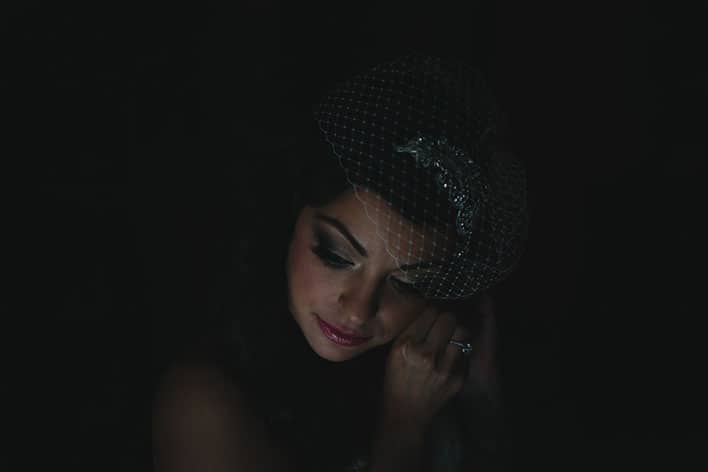
On Being Present For Your Photography Clients - Wedding Photography By Spencer Lum

And if you want images that live and breathe with people so full of life, they burst through the frame, here's the real secret: It's really about trust.

Not just your client's trust in you, though. Your trust in them. In yourself. In letting go and letting things happen and finding the something in the nothing and the perfection in the flaws. You have to accept what's in front of your eyes, because that's where you'll find the magic. The chaos is the surprise. The unexpected is the revelation. Presence is not the perfect look we've seen a thousand times before. It's the single expression we'll never see again.

Photographically, presence is as much a creation as it is found. In the simplest terms, it's matching. When the expression of the subject pairs effectively with the elements in the frame, our minds will fill in the gaps and flood the picture with meaning. It's not just about a good expression or a bad expression. It's about the right expression for the right circumstance. It's the effect of the entire picture. Sure, a lot photos capture the powerful and the evocative. But even more are about taking the ordinary and showing it in just the right way to make it resonate. Life, even at it's plainest, really is beautiful.

So if presence is more than some certain expression and any look can potentially be the look, then presence is life off script. Both for your subjects and for you, which takes us back to trust.

People say you need your clients to trust you. And you do need them to get along and go along. But that's only half of it. They may trust you enough to do the right thing. But do you trust them enough to go ahead and do it? You have to build the space to stumble. Even to fall. Because as much as we are building trust for our clients, we need to instill it in ourselves. We have to know we can take the chances living off script necessitates.

All too often, we undermine our own endeavors. From the moment we open our doors, launch our site, and start cashing the checks, we fall prey to a cycle of need. We sell from the mind and not from the heart. We show what we think will sell, and we say what we think people want to hear. Every time we do this, we build up the walls of doubt, severing our vision from the product we create, until the risk to take the road less traveled becomes too large a leap to make.
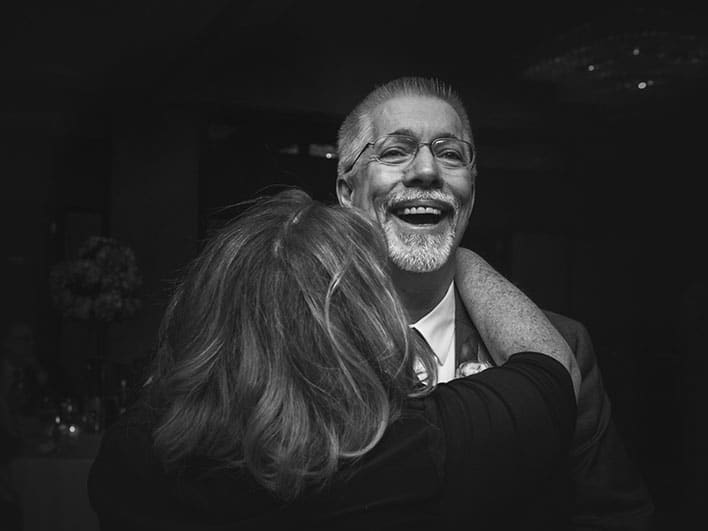
On Being Present For Your Photography Clients - Wedding Photography By Spencer Lum

Trust is necessary from the very start. You have to open yourself up and invite people into your world. You have to let them see their own potential and your own dreams. You have to be willing to accept the rejection, because as important as it is to fulfill the needs of others and get the sale, it is no less vital that we do it the best way we know how.

Here are nine ways to create images that are full of life:

1. Show What You Want To Shoot

Nothing makes a shot more lifeless than shooting moments you don't care about in a way that doesn't matter to you. If there's something you want to do, you're not going to get people to hire you to do it if you don't show it. And while you're at it, share a little bit about who you are and what you believe. Sure, go ahead and explain yourself in a way your client appreciates, but make sure it's something you can get behind.

2. Let People Know What You Need

No one wants to spend their days trying to figure out what you're after. In fact, they won't. They'll just get lost in the shuffle. It's up to you to make it work. If you don't want everyone mugging for the camera, tell your couples how you work. If you want people to ignore you, let them know. When you let clients understand what you need to get what they want, they'll be happy to spread the word.

3. If They're OK, You're OK

Never make people self-aware. Never make them self-conscious. Make it clear you like your clients for who they are, being the way they are. There's no such thing as wrong. Great images, after all, reflect the true character of the subject, and that doesn't happen if we try to squeeze them into a mold.

4. Create A Good Schedule

There is no way possible to get involved too early in the logistics. Bad logistics kill wedding days. If portraits need 3 hours, start talking about it early. If you want someone in the dress by a certain time or to wait to get into the dress until a certain time, let it be known. The better the day stays on track, the less time people will spend thinking about how to catch up and the more they'll be in the moment.

5. Troubleshoot Now

Write out every problem you run into and every reason you don't get what you want. Now write out a way to solve each one. Go try them. Some problems can't be fixed, but many can. You won't lose anything for trying, but you might gain everything. Great people make things work. If you don't take shot lists, saying it sounds a whole lot better before someone hands you one. If you want a groom to act naturally with the bride, keep the heckling groomsmen away. If you want to keep people from hugging your couple all through your photo shoot, keep them away from the crowd, and if you have to snake through a crowd, let your couple know to get through quickly. Keep working on the best solutions, keep thinking of the best phrases to use, and keep building your playbook.

6. Relaxed Is Good For Posing

There's a reason fashion photographers say “beautiful” all of the time. Have you ever stood in front of a camera? Time feels like molasses, your hands feel like unnecessary appendages, you keep wondering how you look, and moving naturally becomes the most self-conscious act in the world. But there's an easy way out. Talk. Stay as connected with your couples as you want them to be with you or each other. Need to buy some time, while you adjust your camera? Ask them some questions. Need them to look at you? Share a thought. Need them calm? Have them think about something. And let them know they're doing a good job. That's doubly true when they really are.

7. Find Out Who They Are And What They Need

They say better forgiveness than permission, but that doesn't mean you don't want to see what your couples need. Letting people know they're cared for and learning how they see the world lets you think about an approach you're comfortable with before you're put on the spot. Learning about your client doesn't make them your creative director. It means you can trust them, because you know you're on the same page, and they can trust you, because they know you care. Remember, people gravitate towards what they already believe. If someone has doubts, they'll see everything that goes wrong. That can spiral out of control fast. If they feel secure, they'll see everything that's right, and that will keep them relaxed and happy.

8. Look Broadly

The body is fantastically expressive. It takes the smallest of things to clue people in as to what's going on. It can be a dangling arm, crossed legs, a tilted head, or a hand on a face. A small gesture can say it all, so don't just look at faces. Watch for the way people move. Watch for any clue that lets you know how someone feels.

9. Watch For The Light And Mood

Light is full of mood. Think moody. Think heavy. Think dreamy. Think weightless. Each one is associated with a certain look. Very often, you only need a hint of expression if you have a lot of feel. A viewer doesn't see a picture like a judge at the Olympics. It's not a breakdown of each individual element to see how they stack up. It's the total effect that counts, and the right atmosphere can carry the day. With that said, it's also very possible to drown real emotion in a sea of visuals. Always be aware as to how powerful and engaging the expressions are. Sometimes, simple and tight can say it all. Other times, you need more.
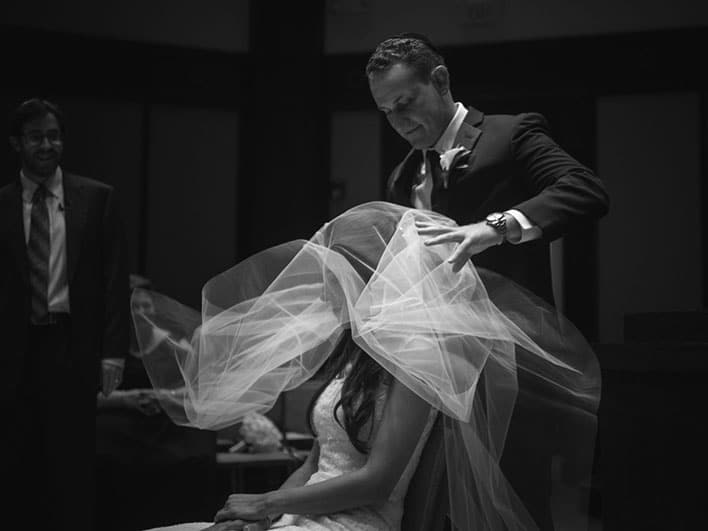
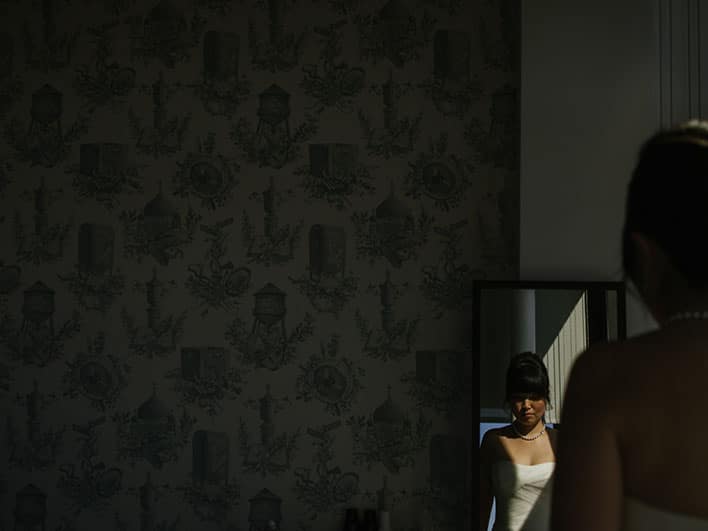
On Being Present For Your Photography Clients - Wedding Photography By Spencer Lum

On Being Present For Your Photography Clients - Wedding Photography By Spencer Lum

Filed Under: Business, Commentary, Home Middle Right, Photography

An Open Invitation To Critique Mahesh Bhat’s Photographs Of Bangalore

May 8, 2013 by Mahesh Bhat

My name is Mahesh Bhat and I'm a Bangalore based photographer and India is my canvas. I've been photographing the life and times of my country and parts of the sub continent for 25 years. I'm an assignment photographer with Getty Images and represented by Global Photo Associates, NYC. I've worked with Polaris Images and Agence Vu.

In the last 25 years, the city of Bangalore went from where every place was 15 minutes away from each other to every place is at least an hour from each other. It became a megapolis. Over the years I have photographed the city. In last few years I've been commissioned to photograph for publications as varied as The New York Times to Newsweek of Japan – from over 20 countries. Assignments have included coffee addas of Kolkata to a profile of a female suicide bomber from the LTTE for Marie Claire.

I love to work on really long term projects. In 2004, I began UNSUNG, a project about people who have made extraordinary contributions to society against personal odds. I published the book in 2007. It helped raise over Rs.8.5 million for the causes of the heroes featured in the book. The second book will be published this year. The project is ongoing now for eight years. Do visit UNSUNG here.

Since 2007, I've worked on a book project on Bangalore. It's a collection of projections from my conscious and subconscious mind. Through my photographs, I explored how the city had changed in the last two and a half decades. It is also an impassioned plea to support the arts and creativity to drive the true growth of Bangalore.

I self publish my books and this new book – Bangalore/Bengaluru – In First Person Singular is in bookstores since February 2012. An application based on the book will launch soon.

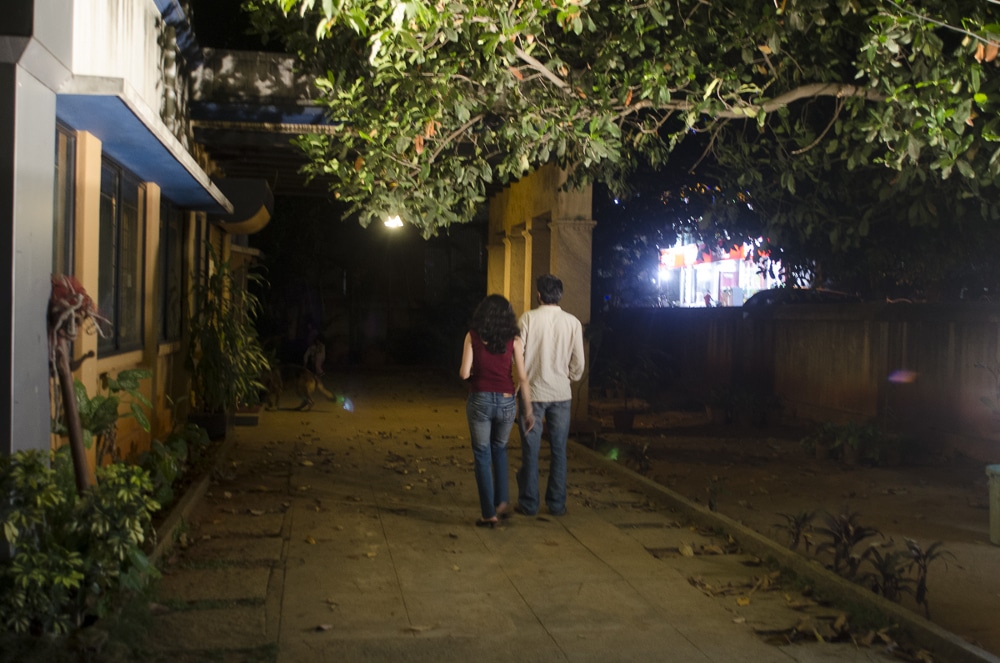
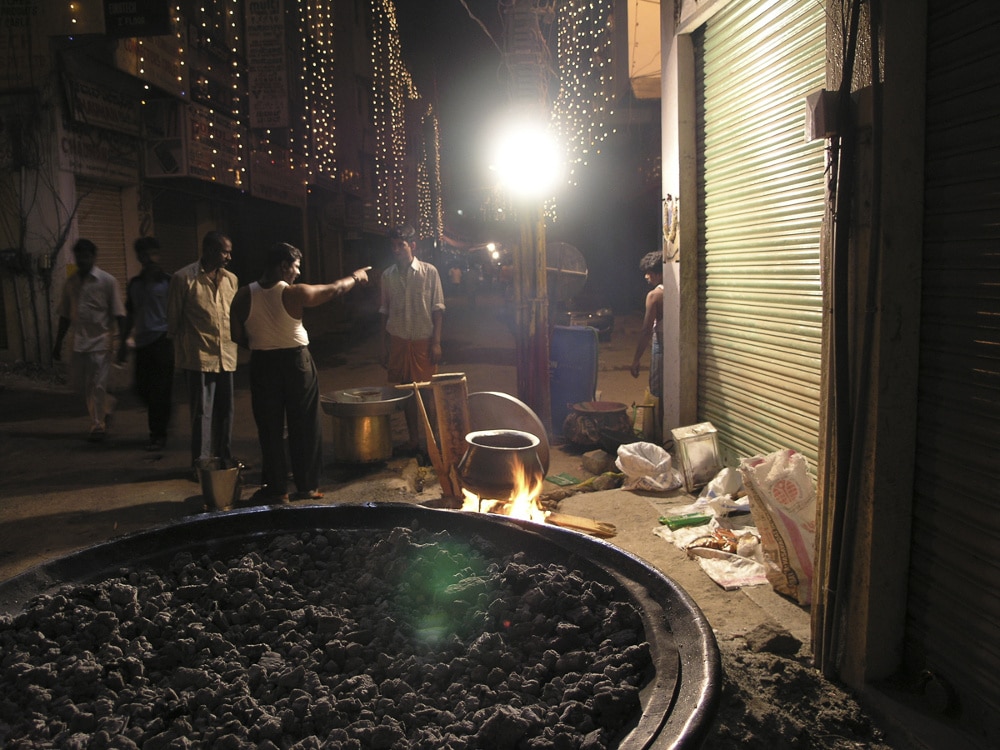
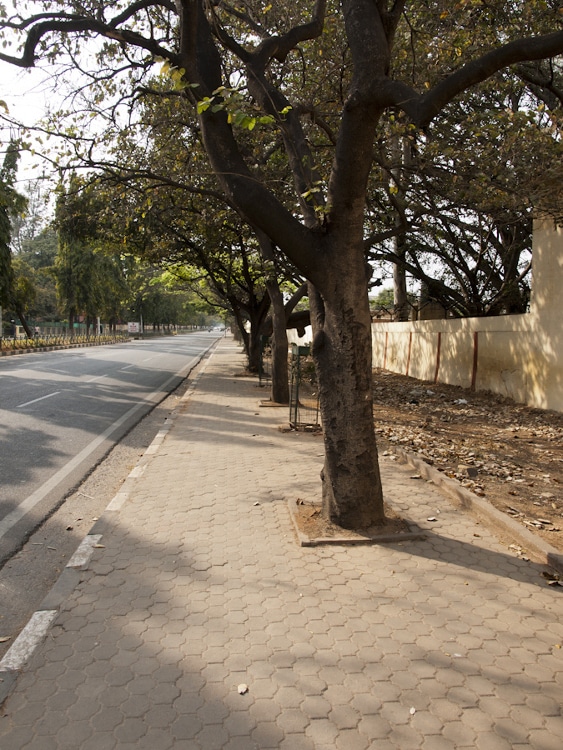
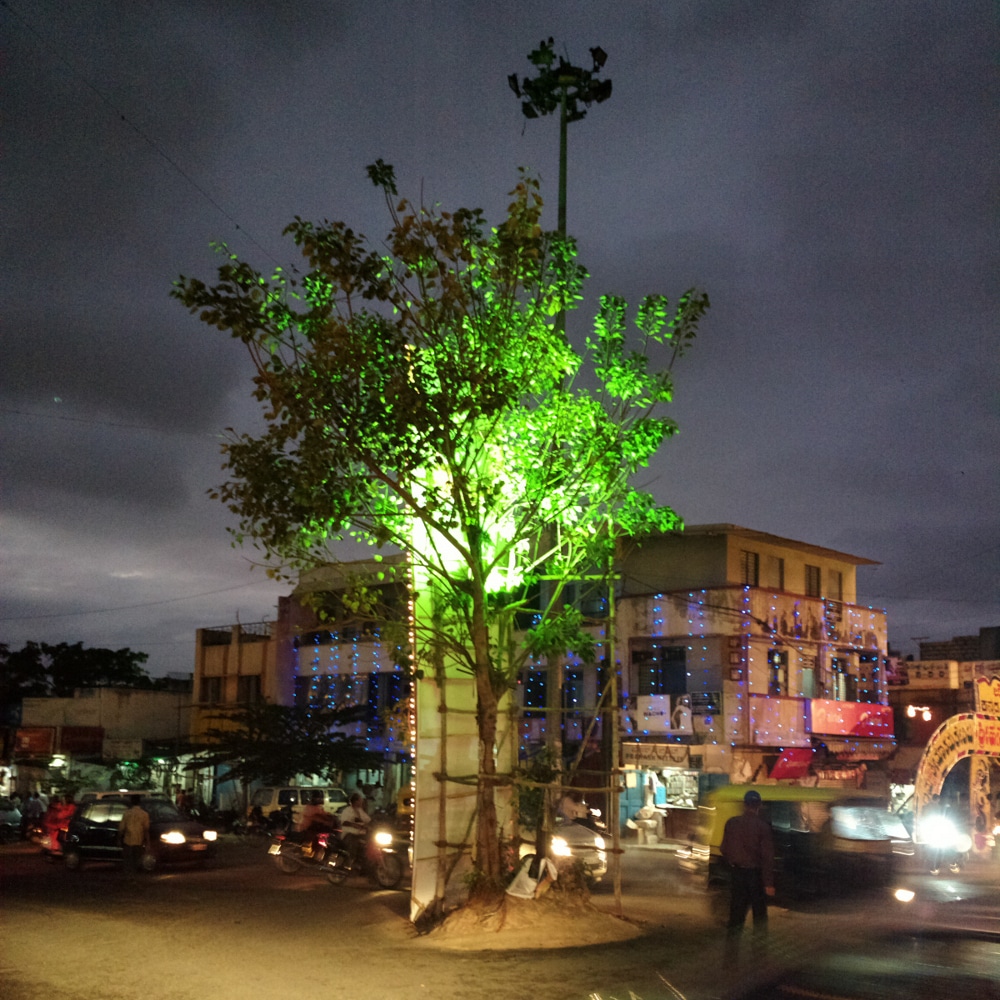
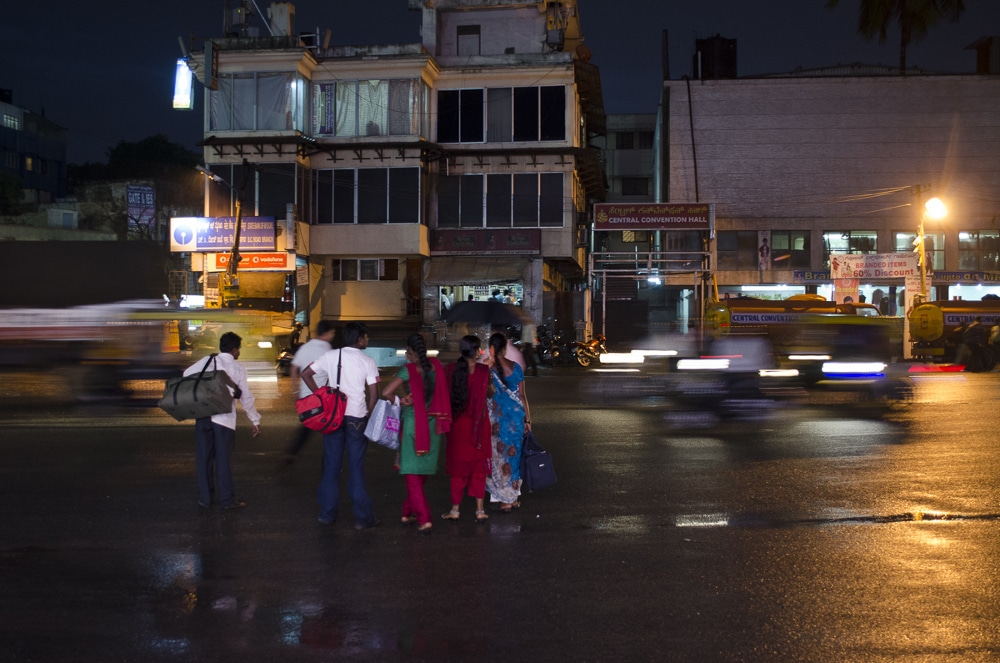
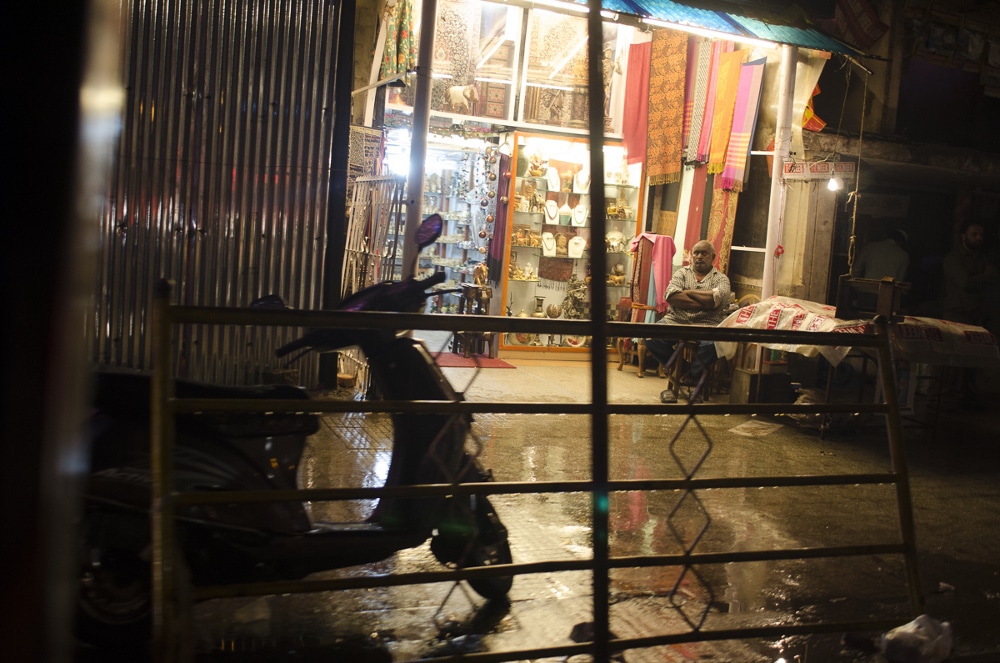
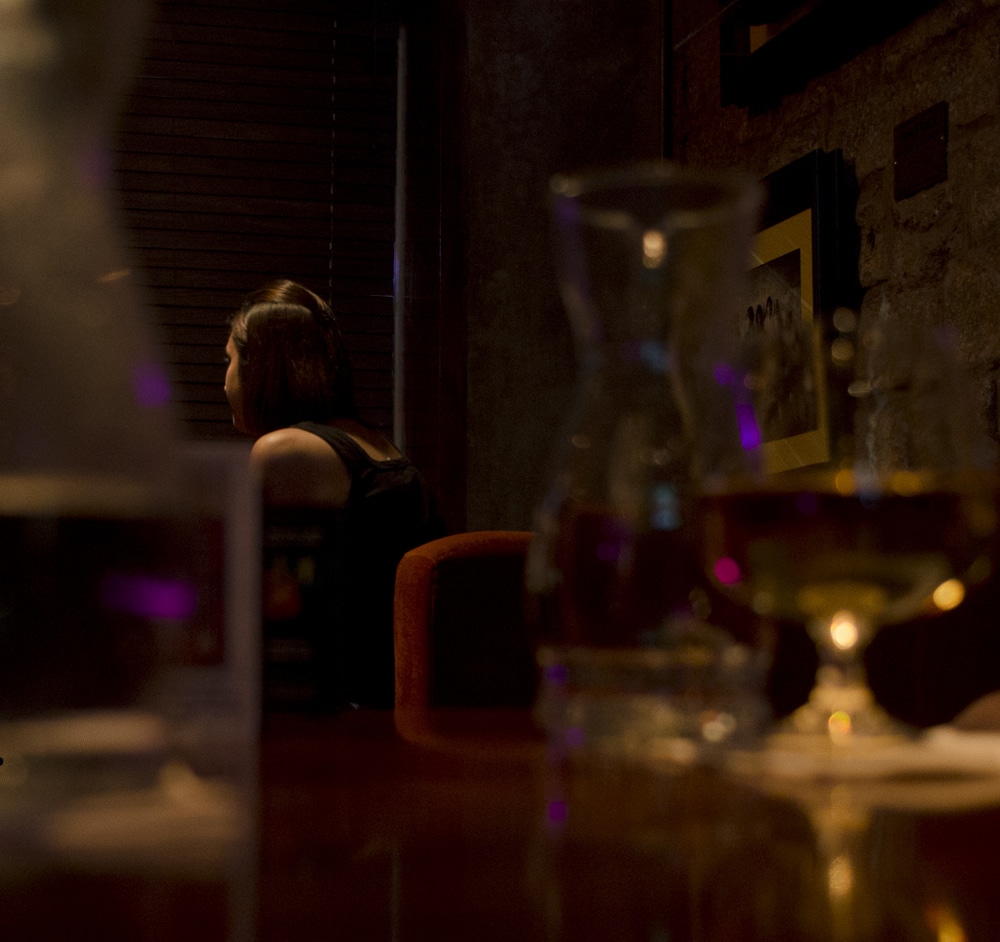
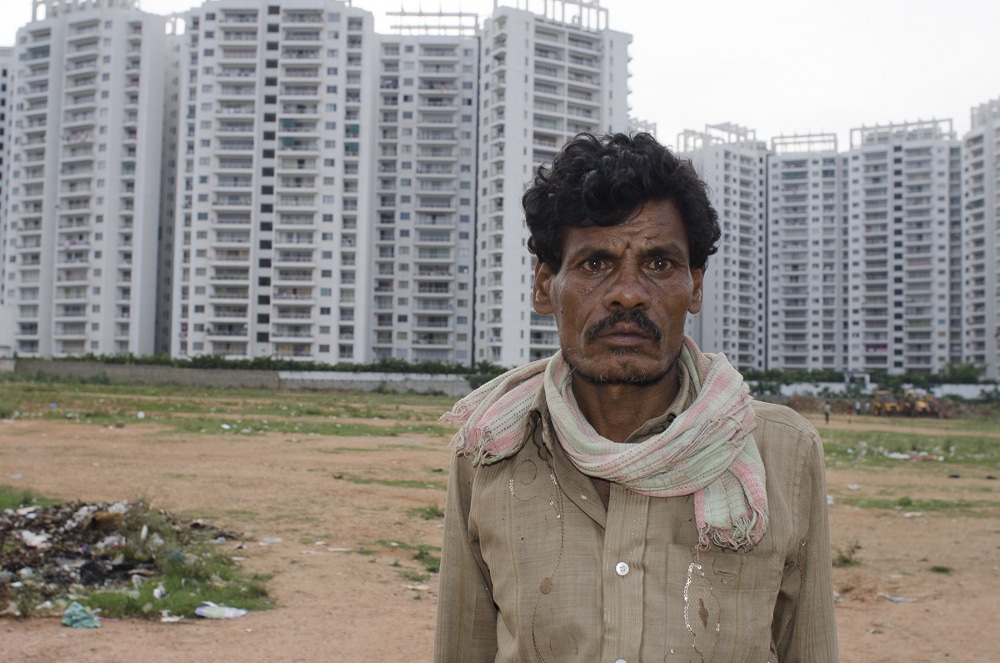
Unlike some of my friends who were born and brought up here, I am not really connected to the city. In a way I am disconnected. The 17 images you see below, in a way represent that disconnection. I'm eager to hear your opinion, your critique.

Do we have a deal?

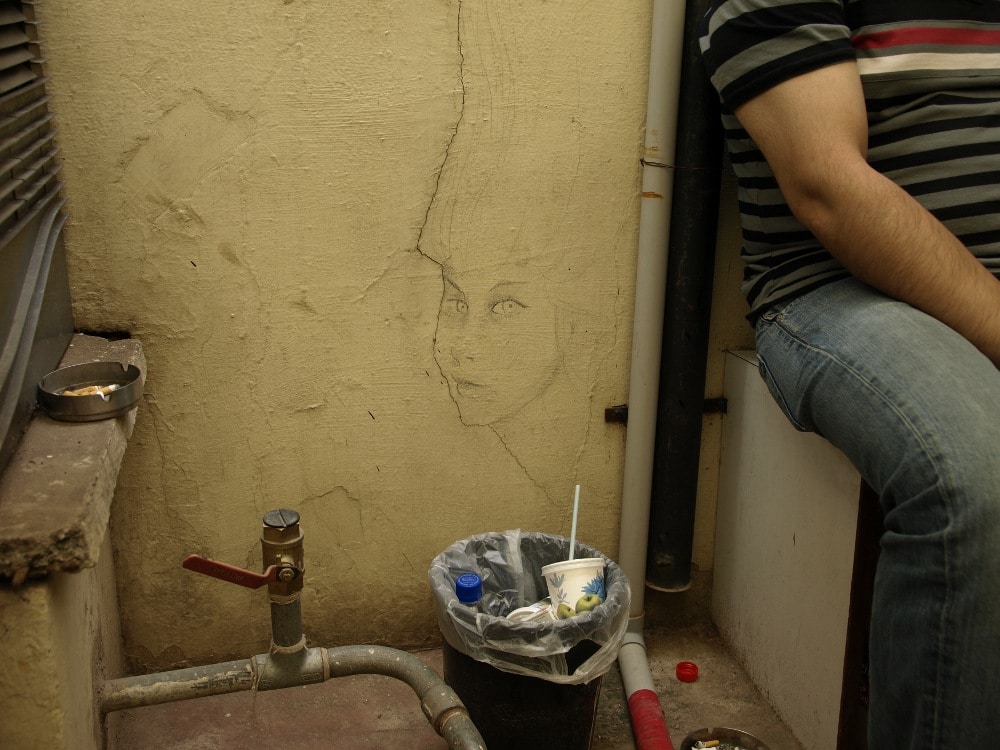
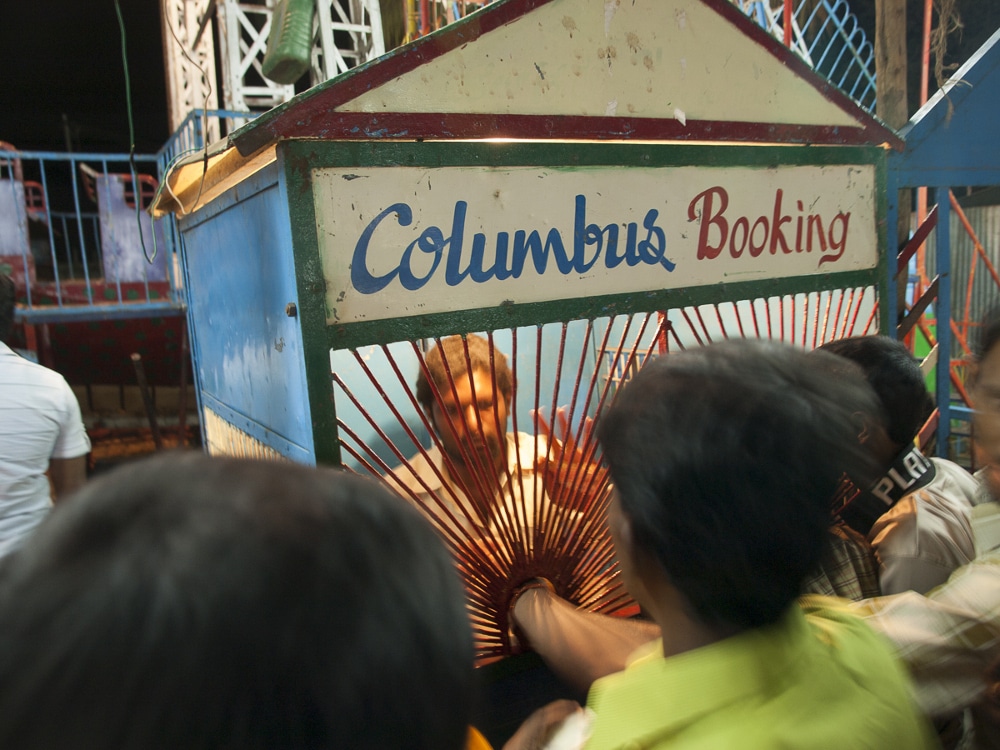
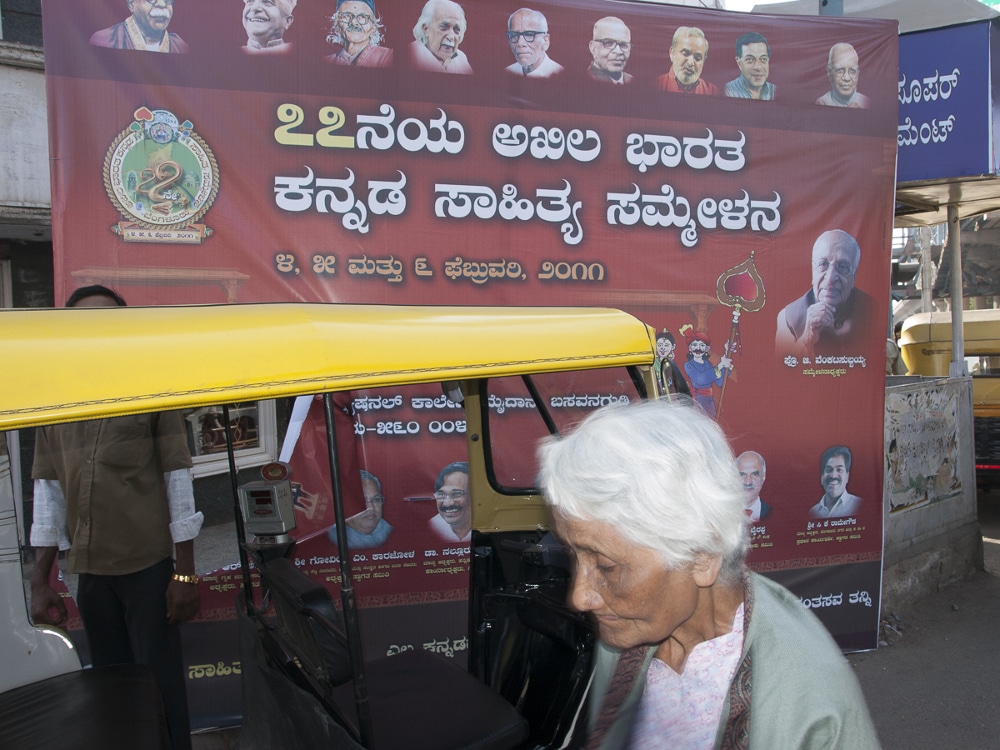
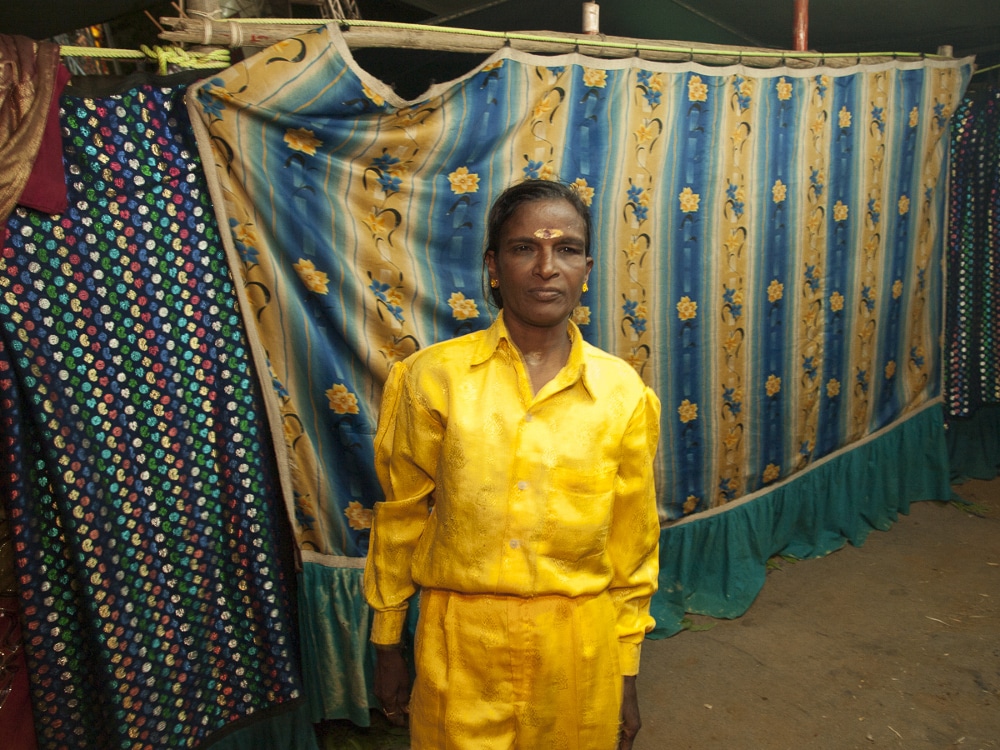
Documenting Bangalore | Mahesh Bhat

Documenting Bangalore | Mahesh Bhat

Documenting Bangalore | Mahesh Bhat

Documenting Bangalore | Mahesh Bhat

Think along the lines of how an image can convey content better. How can this work be refined? What does the photographer need to do to elevate her/his game?

Based on your responses, Tiffinbox will invite other photographers to submit their work to also be critiqued by you. So, it is vital that you get involved. Mahesh is, after all, willing to submit his work in this way. The least you can do is to support his work one way or another by commenting below.

Filed Under: Commentary, Photography Tagged With: bangalore, Book Project, Critique, mahesh bhat, Megapolis

26 Prints For Sandy Hook Elementary School

April 1, 2013 by Seshu | Editor & Publisher

I suspect, a tragedy that took place a little over three months ago, far from where you live is a distant memory. I happen to live an hour from Newtown, Connecticut, where on December 14, a deranged killer murdered 20 children and six adults. So, that memory is fresh and very raw.

To say that this tragedy shook the surrounding communities would be a gross understatement. As my wife and I struggled to make sense of it all, we made sure to hug our kids a little tighter, spend more time with them and simply be more present for each other. That hasn't changed, but I wanted to do something more to remember those innocent souls.

A few days before this disaster, as I was driving around the New Britain (a town near Hartford, Connecticut) one foggy morning, I came upon Batterson Park Pond. The fog was so dense that I couldn't see past 30 or 40 feet. As I got out of the car with my camera, I could hear the flutter of birds taking off. I couldn't actually see them. And then everything went quiet, except for sound my feet were making as I walked over the wet grass. Since I couldn't see anything anyway, I closed my eyes for a few months and took a few deep breaths in. Slowing down felt good. I had been running from one assignment to another and things were starting to blur.

I opened my eyes again and I saw this image you see below.

Foggy Morning | Sandy Hook Memorial Fund

I made four or six frames and felt in my gut that I had captured something I would go back to some day in the future. These images were made deliberately because I truly felt the urge to create them.

The sounds I heard but birds and animals I didn't see left an indelible mark on me. There was solitude and peace amidst the chaos of life. After the Sandy Hook Elementary School massacre, I couldn't help but think of my time at the pond and the images I created there. I pulled them into Lightroom and as the images popped up, I think I surprised myself a bit by choking up. As I said, emotions here are still running high.

As fathers, mothers, brothers, sisters, uncles, aunts and grandparents we have to find a way to pull together and find that peace amongst us. Somehow. I am not sure the passing of time will make things any easier for the parents of those 20 babies. That line people use often is trite and rather ambiguous at best. It leaves us nothing to hold on to, which is what I think as a parent I would want to do.

As a photographer, I'll continue to make quiet images like the one you see above. That may be the way I survive through this. It's not so much to keep my mind off of it but to bring more presence into what I am doing any way. It's not about “moving on” but carrying on with more purpose. Does that make sense?

When Ann Curry, the news correspondent, urged us to ask ourselves – “what can I do?” – and proposed 26 act of kindness, I wondered if I could share the image as a large print with 26 individuals. I first proposed the idea to my neighbor Carmine Masi, who didn't flinch even for a second before diving for his check book and making a donation.

These prints aren't for sale in the traditional way they would be available on one of my sites. No, what I am asking people to do is to make a donation of $100 or more to the Sandy Hook School Support Fund, c/o Newtown Savings Bank, 39 Main St., Newtown, Conn. 06470. Once you make that donation, simply email me your receipt and include your full name and shipping address so that I can send you the print. Email me with your receipt and contact information here – seshu {at} tiffinbox.org. Please use the subject line – “Sandy Hook Elementary School Fund.”

A word about the print and the printing: I approached Caitlin & Jeffrey Lazo, who own the award-winning custom print lab ProDPI, at the annual Mystic Seminars. They readily agreed to sponsor this initiative and print and mount this image as a 16″x20″ print. I am truly grateful to them and want to recognize how incredibly generous they are towards photographers. By the way, if you haven't guessed yet, ProDPI is my preferred lab for all of my client and personal prints.

ProDPI LogoPlease note that no one is attempting to make any money on this gesture. I have simply supplied ProDPI one of my images, which they have agreed to print free of charge. This image will never be printed again as a 16×20, and in fact may never be offered again. Right now, I am just focused on delivering 26 prints to 26 homes to remember the 26 people we lost at Sandy Hook Elementary School.

If you are interested in displaying this image on your wall, now is the time to make that commitment to the Sandy Hook School Support Fund. Thank you for being you!

Filed Under: Commentary, Photography Tagged With: Limited Edition Prints, Sandy Hook, Sandy Hook Elementary School

Photography Equipment Buying: A Business Perspective

March 14, 2013 by Travis North

Travis North is a Landscape Architect and freelance fine art Photographer out of Philadelphia, Pennsylvania with over eighteen years of experience. He is the founder and editor of Shutter Photo Magazine, which has been a source of photography inspiration and wisdom since 2008. Follow him on Twitter.

Photography as a medium can be described a great number of ways. It’s a creative release, inspiring and emotional. For many, it’s a source of income or a private business where you are your own boss. And Photography is expensive. It doesn’t matter how you cut it down, by the time you add up the cost of all your equipment – and let’s not forget the accessories right down to the camera strap – the bill would make your accountant cringe. Now it’s one thing if you’re been lucky enough to make a substantial income from your art. But every photographer I know (even the most successful) is always talking about the next product they’re thinking about buying. If money wasn’t the object, there would not be “thinking”, you would already have that new $1,400 USD lens. So in this article I’d like to focus on a very businessman’s term: ROI, or Return On Investment. Worry not, we’re not going to talk strict numbers – we’re going to talk gear. We’ll talk about where you get the biggest returns and what gear is ultimately important. But most of all, we’re going to talk about where you can cut corners for the sake of ROI.

Focusing on the Deliverable

When it comes down to determining the value of something, you ultimately need to focus on what is expected in the end: What is the deliverable? If you are working as a fashion photographer and your works are expected to be posted on billboards throughout the urban landscape, then you might have a case for buying yourself a high-end medium format camera. But if photography is more of a hobby and your supplemental income is in the form of post card sales, that would be the opposite end of the spectrum. Now I’m not trying to simplify the context too much, but the end product ultimately drives what type of equipment you have and use. It’s a simple philosophy, really: Use only the tools that you need to use.

There’s an interesting story about the space race back in the 1960’s. The problem was that a traditional ink pen does not write in zero gravity, and so NASA allegedly spent thousands, if not millions, of dollars researching and developing a pen that can write in zero gravity. In contrast, the Russians used a pencil. Now the story may not be true, but it makes the point: The simplest tool that does the job is the one you ultimately should use. On a personal note, I use a Nikon D80. It is not the best camera on the market. And to be fair, it’s not the best camera that I could be using for the type of photos that I create. But photography is not my primary income and so I have to weigh the ROI vs. my gear lust, and I couldn’t justify spending the money on the camera I really wanted. Instead, I took the money I saved and funneled it into gear that gave me the better ROI; like better flashes, better tripods and better lenses. Of course as my income from photography increases – or if my photography business moves in a direction that warrants it – then I may revisit the camera body upgrade down the line. But my current deliverable demands do not require such an upgrade at this time.

Planning for Upgrades

Bolted In | D. Travis North | Cellblock 4, Eastern State Pennitentiary

If this is your studio, the best return on investment will come in the form of tripods and lighting equipment. A better lens won't necessarily have as much impact here as you would think.

The hopes are, of course, that your work and your scope will evolve. Your client base will grow larger, your income from photography – be it primary or secondary – would increase and then you will be able to revisit the ROI considerations again a year from now or two years from now. Ultimately, the hope is that you will be looking to upgrade your photography equipment down the line. You’ll need an upgrade plan. You probably have some idea of where you would like to go with your photography, and you should create your upgrade plan to compliment your photography goals. You can expect that the plan will change as you evolve or as new products come to market. But every upgrade, every accessory, needs to be thought of in advanced. I have three simple rules when considering gear upgrades:

1) Avoid proprietary features that would channelize my upgrade path.

2) Quality is worth extra cost, but it must be justifiable.

3) I must have immediate and continued use for the product.

These three rules apply to every product I consider, from the camera body all the way to my camera bag.

The first rule is the most abstract, so let's speak on that briefly. Basically, I don't want to be locked into any single proprietary format, nor do I want to limit my options down the line. The exception is camera systems because that's unavoidable. There’s a very strong reason why I most often recommend Canon or Nikon products: Between the two companies, they control more than 70% of the market. Both manufacturers make great products, and they tend to be neck-and-neck in terms of advancement. In short, you couldn’t go wrong with either brand. But the real reason I suggest those brands more than any other is the simple fact that every other photography-related company on the planet wants to tap into Canon and Nikon’s market. That means that you can find compatible products – from remote triggers to lenses – for either brand. Not only does that yield a massive amount of options, but when companies compete, you and your ROI win.

So let's talk about where you get the biggest bang for the buck. The answer could be different for each photographer. A photographer specializing in landscape photography may want to look at a more premium, full-frame camera to take advantage of wide-angle lenses. Sports photographers are going to want to spend their money on lenses. Macro photographers may be interested in bellows systems or extension tubes. Personally, I shoot a lot of ruins and work indoors very often. While I would love to have a camera body with better high-ISO support, the reality is that the best investment for me happened to be off-camera flashes and accessories. Your case will be unique to your own style of photography. So you'll need to evaluate and weight your options to determine where's the best place to spend your money.

Quality vs. Cost: Taking Advantage Of Small Margins To Save Costs

The most innovative and best products are not always from one of the big brands. And even if they are, the cost difference is in many cases beyond the point of diminishing returns. In other words: If the quality differences between two products is not discernible without the use of a testing lab, go for the more economically priced product. Because the truth of the matter is that if you can’t tell the difference, your client certainly won’t be able to either. To illustrate my point, let's talk about lenses.

Lens Choices

It’s at this point that I would like to remind everyone that Ansel Adams was working with lens technology far inferior to whatever you’re using right now. With the advancements in lens technology over the past twenty years, the quality comparisons have gotten so tight that the margins aren’t even measurable without adding extra decimal places. We fixate on these tiny details and make exaggerated claims that one lens’s sharpness is “far superior” to another when in truth, we’re arguing about a 0.1% difference. Is it really worth it? No. And it certainly isn’t worth the cost difference.

Twenty years ago, when Canon and Nikon were the clear front-runners in the lens market, third party lenses weren’t a consideration to pros. Third party lenses were a consumer product. They weren’t built as well and the image quality wasn’t strong. But they were significantly cheaper. Pros could justify the cost, but a consumer could not. Fast forward to 2013. In my opinion, some of the strongest innovation comes from the third party lens manufacturers, and their still carry a significantly more economical price tag. My favorite comparison is the Sigma 24-70mm F/2.8 vs the Nikon or Canon version. On paper, they are all essentially the same lens. All have great image quality, all yield the same amount of distortion at the wide end and all are built very well. The images created with either lens are interchangeable. The quality differences between them is immeasurable outside of the lab. The primary difference between these two lenses is not image quality, it’s price. The Nikon (about $1,700 USD) and the Canon (about $1900 USD) are each more than twice the cost of the Sigma (about $825 USD). And so I ask, is the Nikon or the Canon worth the extra cost? The cost difference is simply beyond the point of diminishing returns. Is that fraction of a percent in image quality worth twice the cost? I would say no. Not even for the full-time professional.

And the discussion could go into any topic, from remote triggers (Pocket Wizards vs. Radio Popper) to Tripods (Gitzo vs. Manfrotto – they’re even under the same parent company) or hot-shoe flashes (Nikon vs. Nissin or better yet, Nikon SB-950 vs. a used Nikon SB-60). But if you can keep that point of diminishing returns in focus, and if you can clearly keep an eye on how tight the quality margin is between two products, you have an advantage. You don’t need to buy the Nikon 24-70mm or a Gitzo tripod when the Sigma and Manfrotto versions will serve you just as well at half the cost. Simply knowing about what options are out – and knowing that the ROI is going to be much greater – could really change your gear upgrade plan a great deal. Heck, you may even be inclined to start with a different camera body from the start.

Final Thoughts

Of course the purpose of this article is not to take business away from the giants, nor do I intend to promote specific third-party brands. My hope is that this article got you thinking about justifying your equipment purchases. I would encourage you consider my three rules every time you contemplate product purchases. Ultimately, what I really want for you is to have a better return on your investment. And that starts with buying smarter. So continue to analyze your options beyond a reasonable doubt because, let’s face it, we’re all gear nerds. We find joy in reviewing such data. But keep the quality differences in perspective with your ROI and buy the product that makes the most sense for your needs and budget. Good purchasing habits will only help you and your business.

Filed Under: Commentary, Photo Gear Tagged With: Business Perspective, lenses, Photography, Photography Business, photography equipment

Pro Photographers Must Sell Pro Products

February 8, 2013 by Tony Urban

Today's guest post is by Tony Urban‘s second guest post for this site. He is a high school senior portrait photographer based in Western Pennsylvania. Read his first post here.

If you're a photographer who is giving your clients their images on a disc, you don't care about your business or your clients. Sound harsh? I'm sure it does but I believe with every fiber of my being that it's the truth.

When I started my photography business, I began in wedding photography. At the time, including a disc of images with the digital photos was pretty standard. I was new to the business so I assumed if everyone else was doing it, it must be right. I gave a disc of high res images to every client whose wedding I shot and never looked back. It was nice to not to have to bother with album designs or ordering prints from the lab. Instead of having Aunt Ruth coming to me for a 5×7, I could simply tell her to have the bride and groom email it to her. I was happy, the clients were happy because they got “all the photos” and all was right in the world, right?

Wrong. I stopped shooting weddings a few years ago as my portrait business exploded. In portraiture, at that time, images on a disc was unheard of, so I sold print collections, albums, wall portraits, etc. to my new clients. They loved the high quality products I was giving them from a professional lab and I liked knowing that the images they were showing off were printed well, not by some kid making minimum wage at the local department store.

Over the past few years, the “pics on a disc” business model has invaded portrait photography like a virus. New photographers have latched onto the idea and coupled it with dirt cheap prices. They think it's is a superb idea. Their clients, who are seeking a “good deal” like it too. After all, they can take their disc to Walmart and print out a plethora of 4x6s for a couple dollars. What could go wrong?

Tony Urban Products vs. CDs

Everything is going wrong. Giving your clients their images on a disc is giving them “half” a product. It would be like going to the car dealership and having them sell you the body and wheels, but no engine. It would be like going in for surgery and paying the doctor for the operation, but having him tell you that you need to stitch yourself up. Why does anyone think this is a good idea?

At one of the last weddings I shot, I happily bumped into former wedding clients. I had photographed their wedding a few years earlier and loved catching up with them. During our conversation, the husband mentioned to me in an off handed way that they had lost their disc in a move. They had never got around to printing their photos even though they loved them. I was happy to burn them a new disc, but what if I would have moved or gone out of business or even died? They would have had nothing left of their wedding but memories.

In a related anecdote, I was recently contacted by another former wedding client asking me if I could have some large wall portraits printed for him and his wife from their wedding photos – a wedding I had shot 8 years prior. He explained that they looked at their pics on their computer all the time, but with kids, jobs, etc. never got around to printing anything. Now that they were ready to get some large photos, they didn't know where to go to have them printed and, quite frankly, didn't want to be bothered with it. So, their disc of photos, which they had paid me good money to create, was basically worthless.

Stories like that are bound to happen even more frequently in portraiture. If you hand your clients a disc of images and expect them to do all the work of printing the photos or making collages or designing albums, you're showing them that you don't want to take the time and make the effort to give them a true finished product. You're being lazy and cheap and you're justifying it by telling yourself, “That's what they want.” but the customer doesn't know any better. You're the pro – you should.

What your clients don't need is a disc of dozens of files and to be left on their own to figure out crop ratios, to find a good printing lab, to figure out whether the prints they get back are too dark or have a magenta color cast or if the paper is of low quality and will fade in a few years. Why should your clients be forced to go to Shutterfly or Blurb and design their own albums? Why are you telling them that your doing “half” the job is good enough?

If you're basically a hobbyist who takes photos for fun and a little money, maybe giving “pics on a disc” is the right choice for you. But if you're professional photographer who is going the disc route, you're sabotaging your business and cheating your clients out of the professional product they deserve.

Filed Under: Commentary, Photography Tagged With: portrait photography, professional photographers, Professional Products, Quality Products

  • « Previous Page
  • 1
  • 2
  • 3
  • 4
  • …
  • 20
  • Next Page »

Subscribe To Tiffibox Treats!

Looking for a well-curated email newsletter that will leave you inspired and motivated about your photography business? Sign up below!

About Seshu

Seshu creates relaxed portraits of families and high school seniors in Avon, Connecticut. He also leads a successful headshot photography studio in Connecticut, helping professionals from a variety of disciplines project the very best versions of themselves. He created Tiffinbox as a way of inspiring photographers, to create better images and successful businesses. [Read More]

Email Templates For Headshot Photographers

Email Templates for Headshot Photographers

Recent Posts

  • How Capture One Changed My Event Photography
  • 10 Steps To Stay Positive In Times Of Great Stress
  • Why You Need To Read “Personal Branding For Photographers” Now
  • How To Master Your Website Content Step By Step?
  • Tony Taafe’s TNT Method For Headshot Photographers

Recent Comments

  • Stephen Davison on Are You A Business Owner Who Is Smart, But Stuck?
  • Ben A. on Don Giannatti Clinches The 8th Annual Tiffinbox Award
  • Dan on Don Giannatti Clinches The 8th Annual Tiffinbox Award
  • Donald Giannatti on Don Giannatti Clinches The 8th Annual Tiffinbox Award
  • Stephen Davison on G.E. Masana’s 6 Strategies For Wedding Photography Success
  • Naveen Kumar on Weddings In India Are More Than Being At The Right Place And At The Right Time
  • kartick on Weddings In India Are More Than Being At The Right Place And At The Right Time
  • Leonid Farbman on 6 Uncommon Trends To Grow Your Photography Business
  • Willow and Finch Wedding Photography on 11 Reception Tips To Help Your Wedding Photography
  • Web Designer Malaysia on How To Optimize Your Squarespace Website For Search Engines
  • Creastan on An Interview With Photojournalist G.M.B. Akash
  • Cindy Brown | Atlanta on An Open Letter To A Local Photographer

Become a Patron!

Copyright © 2026 · Tiffinbox · Site Design by Heather Mackan Creative · Built on Genesis