• Photography
  • Interviews
  • Business
  • Reviews

Tiffinbox

Inspiring Photographers

  • Home
  • About
  • Blog
  • Contact

Scott Strazzante Finds “Common Ground” In His 14-Year Personal Project

June 12, 2013 by Seshu | Editor & Publisher

It was first at Ohio University, where I was briefly working on a graduate degree in Visual Communications, that I came across the name Scott Strazzante. This was some 13 years ago.
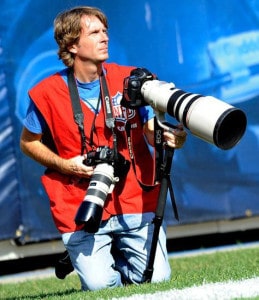
Scott Strazzante | Common GroundRight around that time, Scott, while at the Chicago Tribune, began a personal project that he pursued on his own time. That documentary project, called Common Ground, explores the challenges farmers Harlow and Jean Cagwin face in rural Illinois.

The story takes an incredible turn when in 2002, the Cagwins lost their home to urban sprawl and a new subdivision. But Scott didn't stop making images then. A chance meeting in 2007 of Amanda Grabenhofer, who now lives in that subdivision, prompted Scott to continue the project by photographing her and her family.

If you ever doubted if history repeated itself, all you have to do is see the wonderful diptychs that Scott, with the help of Mike Davis and Deb Pang Davis, has created of life on the farm when it existed and life in the new subdivision that overtook that farm.

Scott Strazzante | Common Ground Diptych

“Echoes of the Past” – In 2002, Harlow and Jean Cagwin left their 118-acre cattle farm in Lockport, Illinois to make room for the Willow Walk subdivision. Five years later, Ed and Amanda Grabenhofer and their four children have settled in at the end of Cinnamon Court. This series compares and contrasts these two very different ways of life on the same piece of land.

As Scott so eloquently says in my conversation with him (see video below), this project isn't a political statement of any kind. It leans more gracefully on the art side of things, where we are gently cajoled into experiencing disparate lives, lived on virtually the same place, or common ground.

Scott Strazzante is well on his way to publishing a book, thanks to this Kickstarter campaign. He has 21 days to go to raise $42,500.

I am asking you to back this project, to show your support of long-term, personal projects that photojournalists like Scott are doing simply because they feel compelled to share with us the world they witness on a daily basis. When I watched the campaign video, I knew right away that this was a very special project.

Scott and I have never met in person, but it's easy to discover the man's commitment to photojournalism and his love for narrating visual stories of everyday life. I applaud him for going the distance, completing this project and publishing this book, Common Ground.

Filed Under: Uncategorized Tagged With: Common Ground, Documentary Project, personal project, Scott, Scott Strazzante

5 Tips For Watermarking Images That Protect And Brand Your Photography

June 7, 2013 by Julia Spencer

This guest post is by Julia Spencer, from Visual Watermark, who writes guides about the photography industry and interviews people.

Worried the photos you share online are being used without your consent? Watermarking images is a great way to protect yourself against people passing your work as their own. Plus it helps build brand awareness.

Ideally, a watermark should be a means to reach out to fellow photographers and consumers to let them know who took this amazing shot and not suspect everybody for wanting to steal your work and thus divert their attention from your great composition.

Here are some key pointers to keep in mind when watermarking your photos:

1. Choose Watermark Position Wisely

Watermark placement can be tricky. You want to place it carefully so it protects your image but doesn't detract the viewer from the photo. Ideally, you should place it in the center of the image, but never on a solid or smooth background. Otherwise, it will be too easy for someone to remove it completely. Here go better and worse areas for watermark placement.

Watermark Areas | VisualWatermark.comGreen areas represent better place for your watermark. Red zones are places to avoid.

Unfortunately, centered watermark will be “too much” for most images and your viewers will definitely point to this. Unless, you host a photo stock website, of course. Oversized watermarks are a common practice in this business.

Here you can get a better idea of the best areas to place your watermark in an image. Also, depending on your subject, you can blend the watermark into the photo, like in the example below:

Blended Watermark | VisualWatermark.com

The second thing to consider when watermarking your photos is the size of the watermark. Make sure it's large enough to protect most of the picture's details. As a result, your watermark would not be removed without significantly damaging the image quality. Ideally, your watermark should cover at least 30% of an image.

2. Semi-Transparent Watermark Looks Better

You can make the watermark semi-transparent – it will still protect your photo but the watermark will seem less obtrusive. Using the right software, it's easy to place a transparent watermark to your photos.

Semi-Transparent Watermark | VisualWatermark.com

3. Always Watermark Hi-Res Photos

Many photographers put watermarks on hi-res photos only. These photos can be used for wide format digital printing and thus it's very-very important to protect them. On the other hand, they leave low-res images without watermarks.

However, this is not a commonly held opinion. If you want to place a watermark on your photos, you can use a batch watermark maker. Photo editors like Photoshop don't allow you to adjust watermark size and position for horizontal and vertical photos. So, you must use a batch watermark creator, such as Visual Watermark.

4. Watermark Protects Your Rights

US-based photo attorney Carolyn E. Wright recommends that you place your watermark on each of your images. The official copyright notice includes 3 key elements:

The first part is the © (the letter “c” in a circle), the word “Copyright,” or its abbreviation, “Copr.”
The second part is the date of first publication.
The third part is the name of the owner.
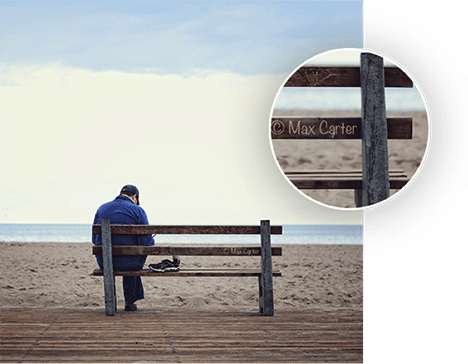
The final copyright form should look like as simple as: “© 2013 Your Name.”

Copyright notices in the US can be used without registering your images with the US Copyright Office. Watermark removal is a law-restricted activity with fines starting at $2500 per image.

5. Let Them Know How To Find You!

It's a good idea to provide your website address and/or other contact information. This helps to promote your work. Your potential customers should know how to find you!

When people share your image, they rarely doubt to mention where they took it. Your contact details will help to find you. However, don’t place everything in your watermark. Website address or a phone# is fine.

Summing Up

Ultimately, the key benefits of watermarking your photos are copyright notice and brand recognition. It informs people that your work is copyrighted and it also identifies you as the author. Plus, if your photos have a watermark, other people will have a way to link it back to you or contact you to ask for permission to use your work.

So what are your preferred methods to copyright your photos? We'd love to hear from you, so don't hesitate to leave your comments below.

Filed Under: Uncategorized Tagged With: 5 Tips, Batch Watermark, Digital Watermarking, The Watermark, Visual Watermark, Watermark, Watermark Images, Watermark Maker

An Interview With Documentary Photographer Brant Slomovic

May 16, 2013 by Seshu | Editor & Publisher

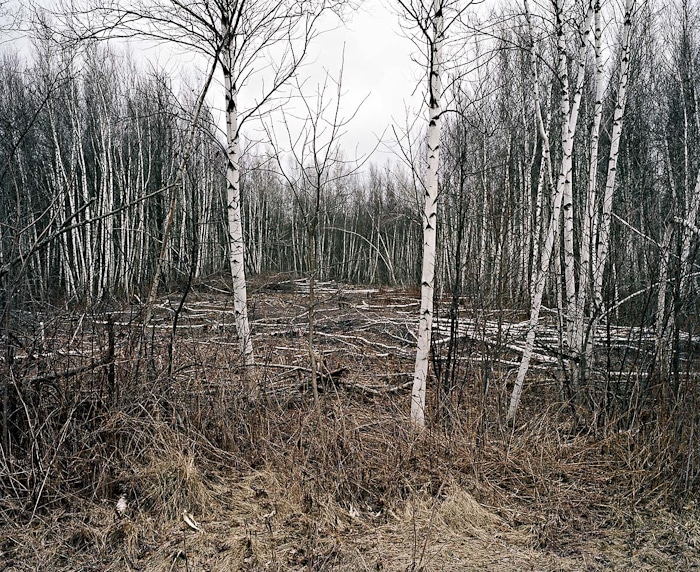
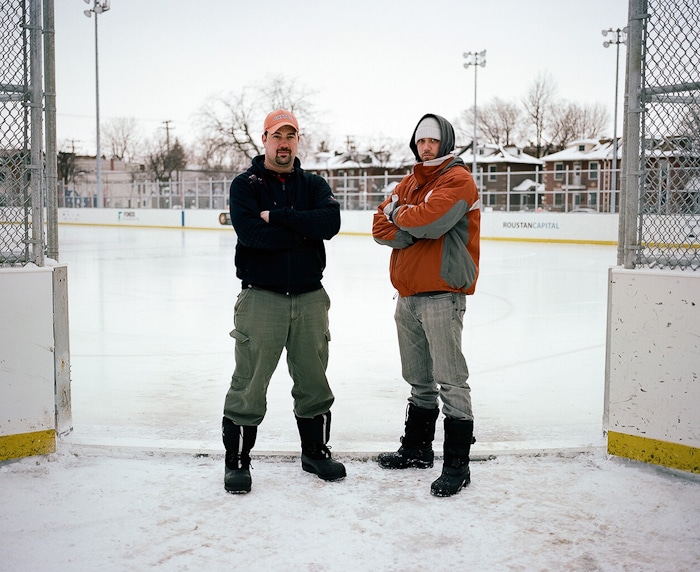
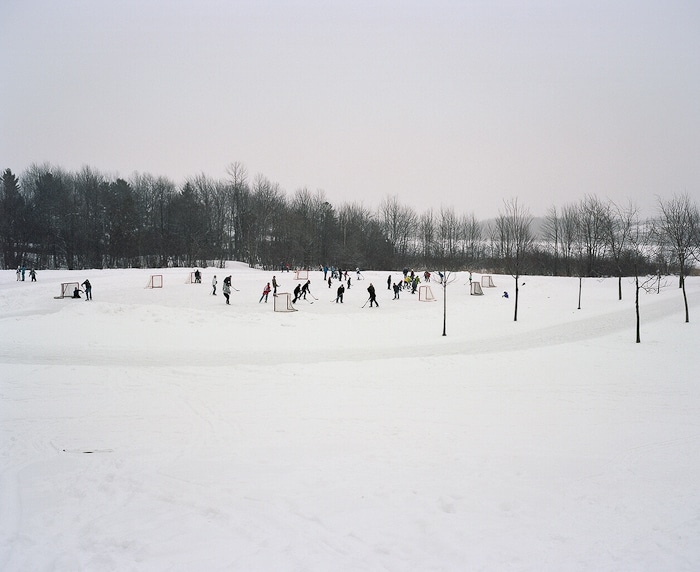
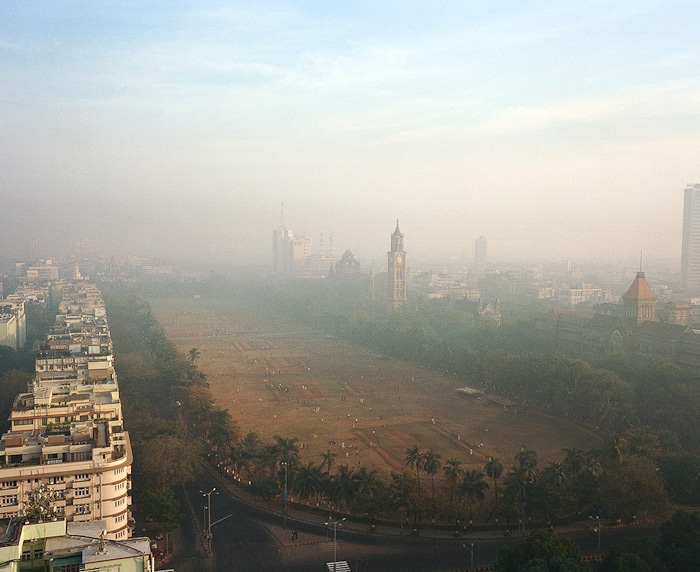
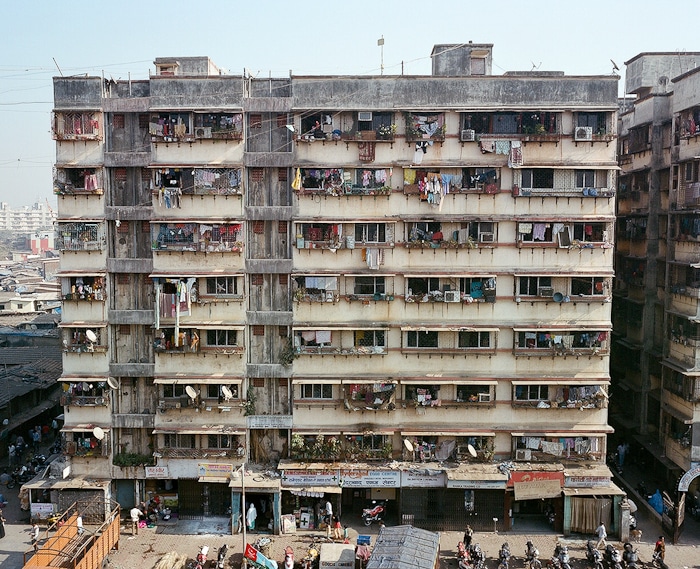
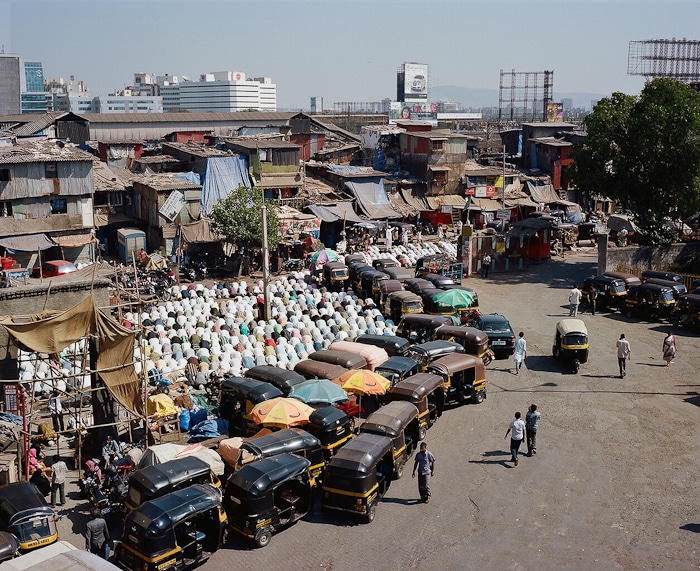
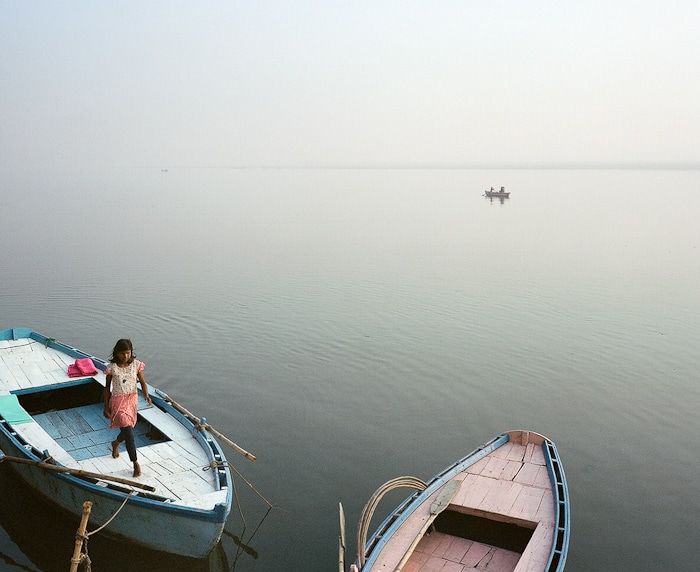
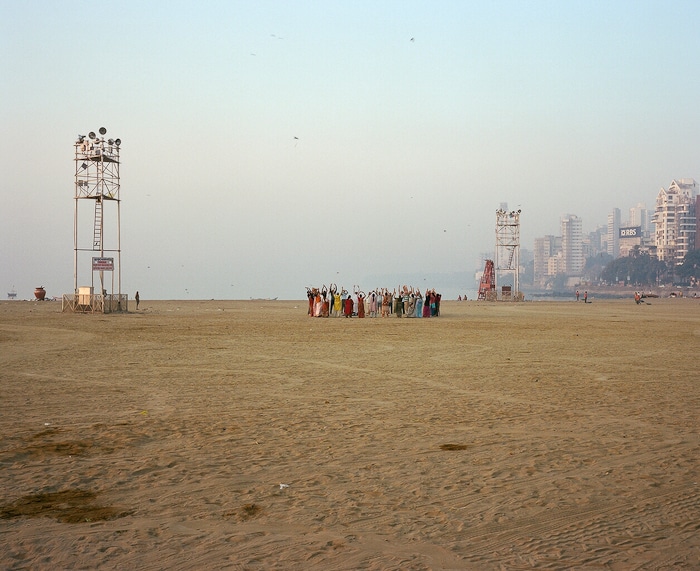
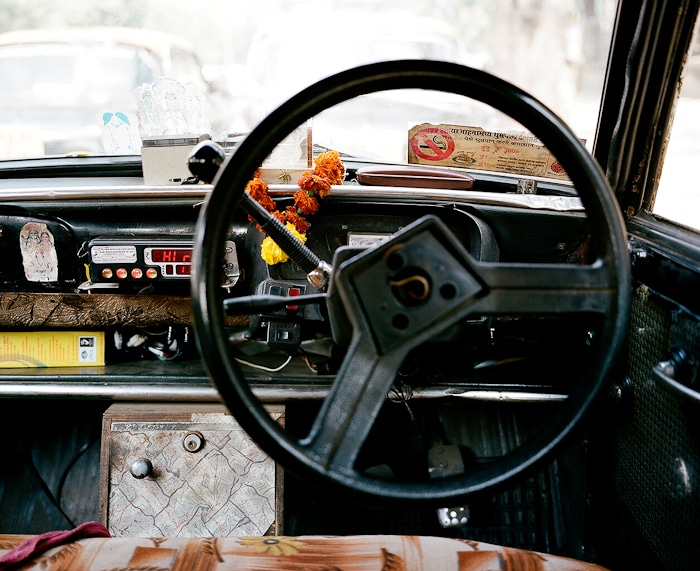
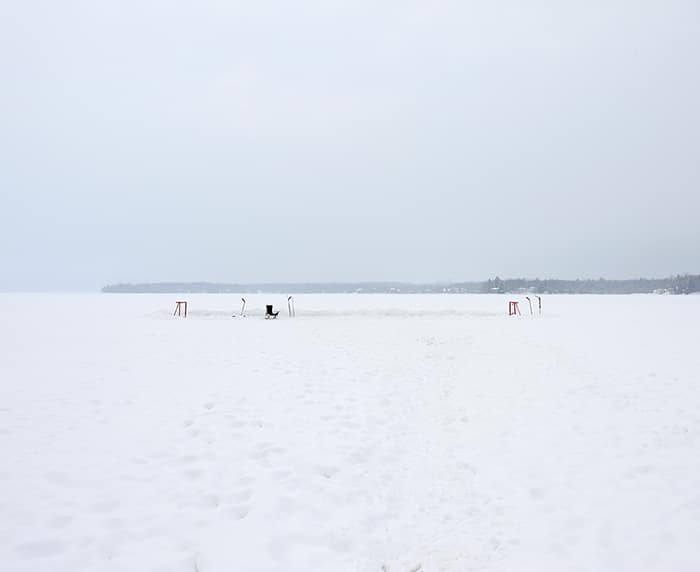
Brant Slomovic is a documentary photography based in Toronto. He was recently featured as a Contender in the 2012 Hey, Hot Shot! International Photography Competition and in the Collection at Flak Photo. His current personal projects include Shinny, which details the ubiquity of shinny Hockey in Canadian culture, and Puja, which explores daily rituals of spirituality in Indian life. Please follow Brant on Twitter.

Documentary Photographer Brant Slomovic | Shinny

1) You became a documentary photographer after pursuing emergency medicine. First what motivated you to change tracks? And, secondly, what was it in your training as a medic prepared you the most to be a documentary photographer?

Those are great questions, but to clarify, I was a photographer long before I even considered becoming a physician. So it wasn’t really changing tracks from one métier to another, as much as it was rediscovering of a need to make photographs and tell stories. I had abandoned photography when I entered university. By the time I finished my specialty training in emergency medicine this deep desire to express myself through images re­emerged. It was unstoppable.

I think of the two ­- medicine and photography ­- as completely separate existences. I’m keenly aware of the potential for conflicts of interests to arise, because I am a photographer and at the same time a physician. So the choice not to cross paths is deliberate. Perhaps one day I will find a way to approach a subject and bring the two together­; the insight and empathy that my training as a physician has developed and photo making.

2) If I was to describe the images on your website, I would use the words: “quiet” or “deliberate” ­ do you agree? Where did you acquire this sense of rhythm in your images?

I do agree, it’s a very fair statement. I search out these moments. On one hand its a reflection of an esthetic that I’m looking for. On the other, it gets back to your first question, about the relationship between practicing medicine and making images. As a result of the inherent chaotic environment of the emergency department, I look for the opposite when I am engaged with the other elements of my life. It's about finding a balance for me personally.

3) So many interviews I have heard or read focus on the process. I am interested in your intention. The projects you have embarked on ­ Shinny and Puja ­ couldn't be more disparate. Can you tell us what it is about each that you are drawn to?

Both the Shinny project and the Puja work emanate from very personal places. My long term projects have to come from something that stirs within, whether it be a deep curiosity or something I am already connected to and passionate about.

Shinny is about my love of hockey and the place it has in Canadian culture and art. As a Montrealer, having grown up during the heyday of the 70’s, it would be impossible not to be passionate about this subject. I see shinny as a deeply unifying Canadian experience, shared by a huge spectrum of people, from elite professional athletes to new immigrants. The initial inspiration began with the paintings of great Quebec artists like Terry Tomalty and John Little, who have established a tradition of painting hockey scenes. I thought “no one is doing this kind of work with photographs”.

The Puja project is also highly personal. My wife was born and raised in Bombay. So my attraction to this work began with my discovery of her and where she came from. I am fascinated by the intertwining of cultures in India, how the lines of distinction are blurred, and by this sense of unification through diversity. The ritual of puja is a beautiful expression of devotion and I love that it can exist in public spaces and that it’s interpretation is limitless. Puja can be a specific religious act as much as it can be about the way in which one travels to work or performs mundane daily activities.

4) Around 1984, when you graduated from high school, you tasted your first big win in an art competition. How important is it for you to enter contests? How do you select which ones to enter? And, lastly how do you edit your images and select your personal “winners”?

To be honest, contests, per se, are not very important to me. The recognition is of course nice and there is certainly a role for them in the advancement of one’s work. At this point I am concentrating on building the strongest body of work that I can and on developing new projects. But hey, if you’re interested in nominating me for anything, I’ll accept graciously.

Editing is always a challenge. First, I take time away from the images and the experiences. I need the separation physically and emotionally; the space to gain objectivity. Then I enlist the eyes of a few trusted friends. The personal winners communicate emotion and that impact stands the test of time.

5) Tell us a little bit about your sense of awareness of when an image should be made.

A large part has to do with the preparation before you even show up. Developing a clear idea and intention, researching, immersing in one’s subject. Then, for me, its about being as present an open minded as possible. Looking and often waiting for specific moments but having the awareness to let things happen as well.

Documentary Photographer Brant Slomovic

Documentary Photographer Brant Slomovic

Documentary Photographer Brant Slomovic

Documentary Photographer Brant Slomovic

Documentary Photographer Brant Slomovic

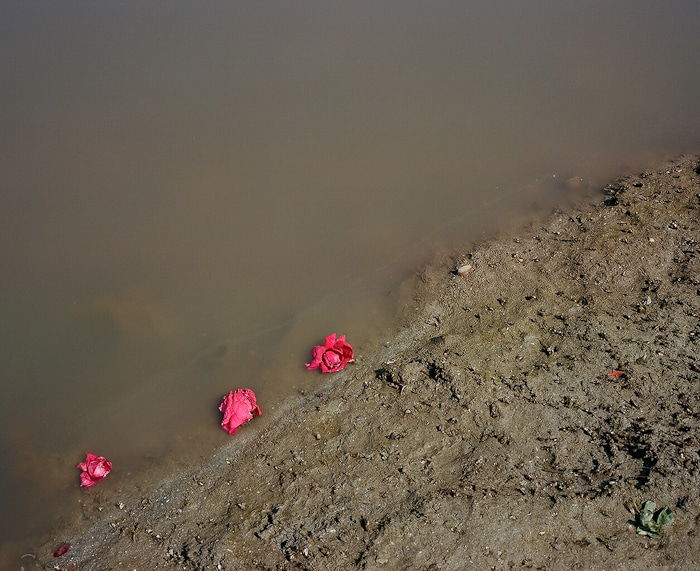
6) When I came across image #14 in your “PUJA” series, it stopped me in my tracks. Can you tell us about why that image was made and what its significance is?

That image was made because it was there. The significance is that for me the image is a reflection of India, in it’s totality. It is a literal and perhaps slightly cliché representation of the contrasts that personify India. I was also attracted to the scene because it made me wonder about the story of those roses ­where and by whom were they made, what was their purpose and in what kind of ceremony were they used. And finally, what was their journey and how did they end up adrift in murky waters.

7) I have to ask you about the form factor of your gear. What are you using? Are you shooting film or is all of your work now digital?

The majority of my work, and specifically the two projects we have been discussing, are shot on medium format film.

8) Whether it's “PUJA”, “SHINNY”, “GLENGARRY” or “PAAN”, I get the sense that you are most interested in how humans inhabit their spaces. True? Is distilling it to that even fair?

It is fair. There is certainly an element of that in my work. For a while, I wanted to make images devoid of people. It was just something that made sense and felt natural at a specific time in my evolution. When I was editing my first show, Glengarry, I realized that I couldn’t fully tell the story I wanted to tell without including the human element in the edit. From that point forward it has been something I strive for­ – how people fit into the narrative. I think of the work of Simon Roberts and Massimo Vitale as great examples of this.

9) Personal projects are never ever finished as they go on and on. Do you find yourself finding a point to stop and say that you've got it all and you move on to the next project?

Ha! Well I thought so. But recently I was encouraged by one of my mentors to return to a project I thought I had closure on. I’m considering it, but haven’t gone back to it, yet. I think some will inherently come to an end, either when I feel a sense of satisfied completion or simply exhaustion. With Shinny, I’ve just begun to scratch the surface and I’m excited for it to carry on for a long time.

10) Are you represented by an agency or a gallery? How would one go about buying one of your prints?

At this time, I do not have representation. Buying prints can be done through the contact link on my website, www.brantslomovic.com. Thank you Seshu. It’s been a real pleasure.

Know of other documentary photographers like Brant or Jim Mortram pursuing projects that they are ready to show and share with the world? Send them my way. I would love to highlight their efforts and interview them.

Filed Under: Uncategorized Tagged With: Brant Slomovic, Documentary Photographer, documentary photography, interview, project

Commercial & Wedding Photographer Jane Shauck, On Sound Financial Planning

May 15, 2013 by Seshu | Editor & Publisher

Jane Shauck is a West Hartford, Connecticut based wedding and commercial photographer. I first met Jane at a Pictage User Group meeting that she hosted. We subsequently saw each other at trade shows and conferences like Mystic Seminars or Inspire Photo Seminars (both in or near Connecticut by the way). Before her husband, Mike, joined her business as a second-shooter, I assisted Jane at a wedding. I was always impressed by how organized she was and how very calm she appeared to be during the entire day.

We met again recently at the Inspire Photo Seminars, in Sturbridge, Massachusetts and her presentation literally caused my jaw to drop. Her no-nonsense approach to the photography business was refreshing because I feel way too many people sugar coat the experience of being a professional photographer. Yes, we must be passionate about what we do, but I learned (and am learning the hard way) that having financial control of your business is paramount to being in business and staying in business. Her presentation that winter day warmed me up to the idea and the steps I needed to take to be a lot more strategic about my time, about how I plan my year and especially what kinds of photography I needed to pursue to meet my financial goals.

Her advice is general for a reason – each of us has different goals and we need to carefully assess what it is that we need to be each making to meet or exceed those goals. I welcome you to take a listen to our conversation below. I would urge you to also visit and bookmark Jane's new blog for photographers called Photo Career.

Comment below to give me/us a sense of how important these types of interviews are for you. If you value them, share the link so that others may also learn from it. Thank you!

Filed Under: Uncategorized Tagged With: Commercial Photographer, Financial Goals, Financial Planning, Jane Shauck

The Best Cyber Monday Deals For Creative Photographers

November 26, 2012 by Seshu | Editor & Publisher

Black Friday has come and gone and now we turn to Cyber Monday for the very best deals for photographers. And there are a plenty of them still floating around. These caught my eye and are ones that I will be personally investing in for my business.

If you are like me and want to get a head start on 2013, then pay close attention to these offers [all affiliate links] and jump in before the clock strikes 12 am EST!

The Modern Tog offers for the first time a 6-Week Photography Marketing Bootcamp! You will learn how to get as many new clients as quickly as possible for as little money as possible.

6-Week Photography Marketing Bootcamp Use the link to buy it for $29. Jamie Swanson of The Modern Tog tells me that she will only offer this as a part of another product in the Spring, when the price will be much higher. Grab it now!

Photographer Questionnaire Library is normally $49 but you can buy it for 80% off its list price when you use the code: “SuperFun” at checkout. Your final price is $9.95!

Photography Pricing Guide Workbook is normally $89 but you can buy it fo $39 when you use the code: “SuperFun”. How does saving $50 sound to you?

The Go-To Guide For Client Emails is something I use already. 100+ email templates that you can modify. This is brilliant because it saves me time. Get $50 off of this as well when you use the code: “SuperFun” in the cart. Normally $147, you get it for $97!

Fundy SOS Album BuilderFundy SOS Blog CollageIf there are two products from Fundy SOS that my studio depends on, they are Album Builder and Blog Collage. Get them both for 33% off only today. I just wrapped up an engagement session album in 20 minutes! Album Builder is fast, easy and precise. And it uses Photoshop, which most photographers have on their machines. Blog Collage (yes, you can include your own branding too) is phenomenal. When Andrew Funderburg showed me how it works I was totally floored.

David "Strobist" Hobby Cyber Monday DVD SaleIf the name “David Hobby” is unknown to you, I won't be surprised. He sometimes goes by “Strobist” or “Mr. Strobist” for his awesome website about flash (and in particular off-camera flash) photography. That's where I learned my chops. His current offering (perhaps for the first and last time) is his DVD sets. They are priceless and I own (read = paid full price) for every one of them. Get them TODAY for $49.99. This isn't a steal, it's highway robbery, if you ask me.

Build An Irresistible Photography WebsiteFrom Portfolio to Profit Engine: How to Build an Absolutely Irresistible Photography Website is by Jenika McDavit of Psychology for Photographers. The title says it all. Get $30 off when you use the code: “READY2GO”. This is the guide book I am using to create a new website (using WordPress of course). If you don't know about Jenika's website, please for the love of GOD, bookmark it. Her writing is lucid and her advice spot on. If you are in the midst of rebranding (like me) or simply scrapping your website and need help with correctly setting up a new one, you want this product.

Photography Web MarketingTake all the pictures you want and make them look pretty but if no one is buying well, that's because your marketing needs some help. I talked about Jamie's offering above, but this one by Zach Prez is a collection of his three best selling e-books on web marketing for photographers. You get the Photography Web Marketing Guide, Photography Blog Success and 55 Smart Web Ideas For Photographers for just $39. That's 50% off! I was offered the opportunity to pen my thoughts on how to best use Twitter in that last book. So, if you are curious about using social media or writing for your blog, definitely get them all.

Looking for ways to simplify your photo editing and post-processing? Who doesn't like to save time right? Well, the folks at Totally Rad Actions have had a Black Friday sale that they are extending through tonight. These are the same actions and presets that I use on my images. Buy RadLab for only $97 and save 35% off of everything else they offer. I use their ProRetouch (version 1 and 2) on almost all of my images for headshot portrait sessions.

Kelby Training Cyber Monday Sale

One of the best online spots to learn about Photoshop and photography has to be Kelby Training. Get in on their Cyber Monday special by using the code: “CYBERMON12” You get $40 off their annual subscription. Score! If your are a NAPP member, it's an even sweeter deal.

Project Life 365 By Design AglowLooking for templates to create cards or business forms for your photography business? The first place I check is Design Aglow. Right now you can get 15% off all their offerings when you “LIKE” the ProjectLife365 Facebook page. Getting ready for 2013, I am buying The Successful Studio's Workflow Assistant today. But there are oodles more for creative photographers who want to stand out from the crowd. Now, I have no idea what Project Life 365 will be all about when it launches on Jan. 1, 2013, but from what Lena Hyde and her crew do at Design Aglow, I know it will be something to keep close tabs on for sure.

Photography Concentrate Black Friday & Cyber Monday Deals on TutorialsI mentioned this sale before but it bears repeating, especially if you are starting out. The tutorials that Rob and Lauren Lim have put together for you are simply the best. I recommend them to all my friends and family. Yes, I do expect my family to buy in as well. They are that good. The Black Friday event runs through Cyber Monday. Don't wait. These will NEVER be discounted by 40% again (well, maybe not until next year perhaps).

As I find more of these deals, I'll keep adding to the list here. So, come back and check it out. Lastly, if you do buy any of these today, feel free to comment below. I want to know how you will be using them.

Filed Under: Uncategorized

  • 1
  • 2
  • 3
  • …
  • 8
  • Next Page »

Subscribe To Tiffibox Treats!

Looking for a well-curated email newsletter that will leave you inspired and motivated about your photography business? Sign up below!

About Seshu

Seshu creates relaxed portraits of families and high school seniors in Avon, Connecticut. He also leads a successful headshot photography studio in Connecticut, helping professionals from a variety of disciplines project the very best versions of themselves. He created Tiffinbox as a way of inspiring photographers, to create better images and successful businesses. [Read More]

Email Templates For Headshot Photographers

Email Templates for Headshot Photographers

Recent Posts

  • How Capture One Changed My Event Photography
  • 10 Steps To Stay Positive In Times Of Great Stress
  • Why You Need To Read “Personal Branding For Photographers” Now
  • How To Master Your Website Content Step By Step?
  • Tony Taafe’s TNT Method For Headshot Photographers

Recent Comments

  • Stephen Davison on Are You A Business Owner Who Is Smart, But Stuck?
  • Ben A. on Don Giannatti Clinches The 8th Annual Tiffinbox Award
  • Dan on Don Giannatti Clinches The 8th Annual Tiffinbox Award
  • Donald Giannatti on Don Giannatti Clinches The 8th Annual Tiffinbox Award
  • Stephen Davison on G.E. Masana’s 6 Strategies For Wedding Photography Success
  • Naveen Kumar on Weddings In India Are More Than Being At The Right Place And At The Right Time
  • kartick on Weddings In India Are More Than Being At The Right Place And At The Right Time
  • Leonid Farbman on 6 Uncommon Trends To Grow Your Photography Business
  • Willow and Finch Wedding Photography on 11 Reception Tips To Help Your Wedding Photography
  • Web Designer Malaysia on How To Optimize Your Squarespace Website For Search Engines
  • Creastan on An Interview With Photojournalist G.M.B. Akash
  • Cindy Brown | Atlanta on An Open Letter To A Local Photographer

Become a Patron!

Copyright © 2026 · Tiffinbox · Site Design by Heather Mackan Creative · Built on Genesis