• Photography
  • Interviews
  • Business
  • Reviews

Tiffinbox

Inspiring Photographers

  • Home
  • About
  • Blog
  • Contact

An Interview With Documentary Photographer Brant Slomovic

May 16, 2013 by Seshu | Editor & Publisher

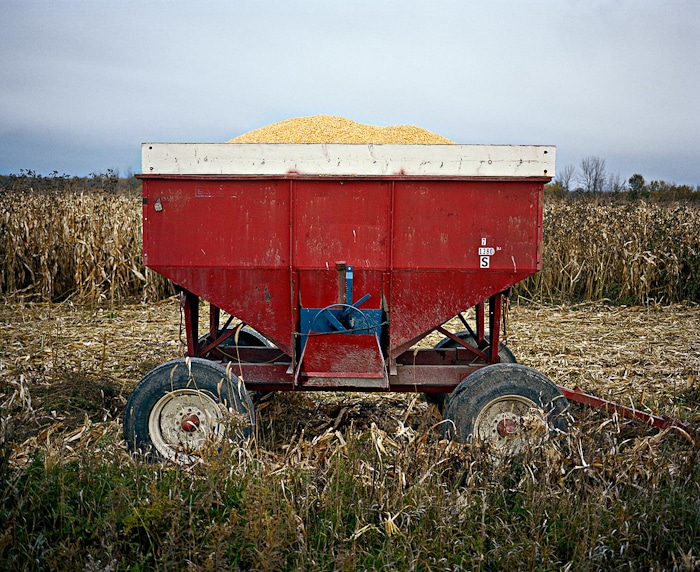
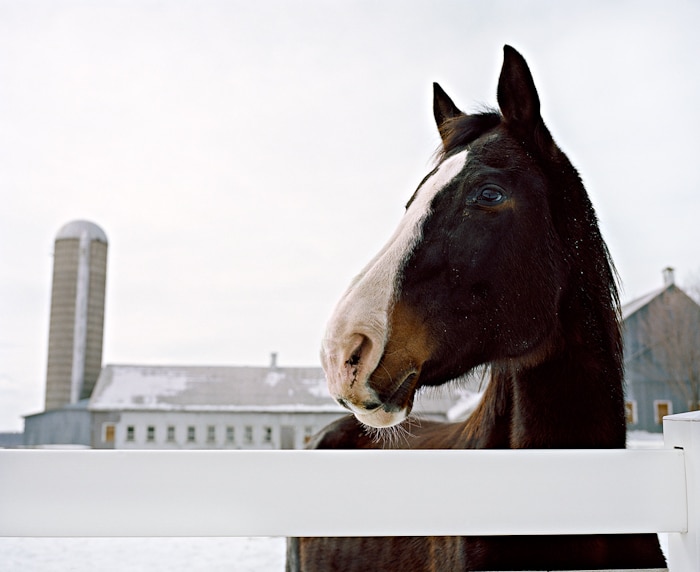
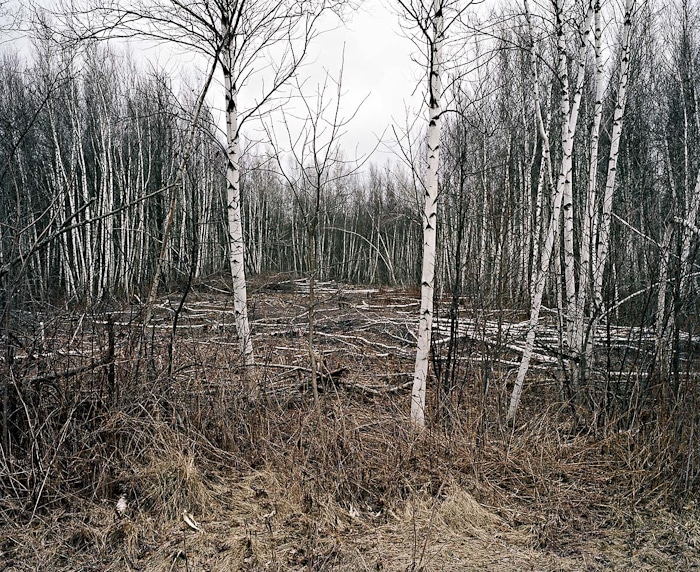
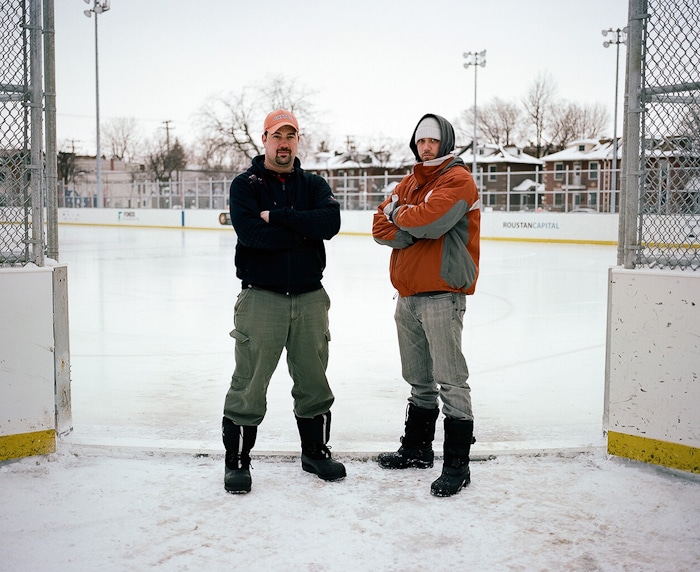
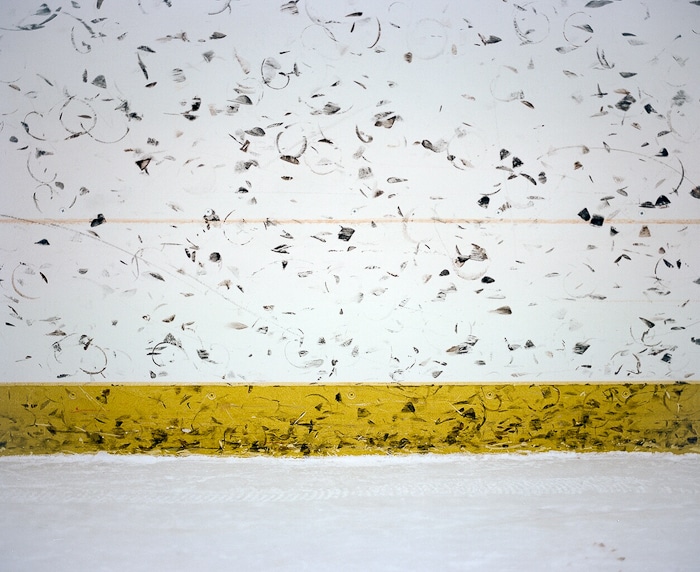
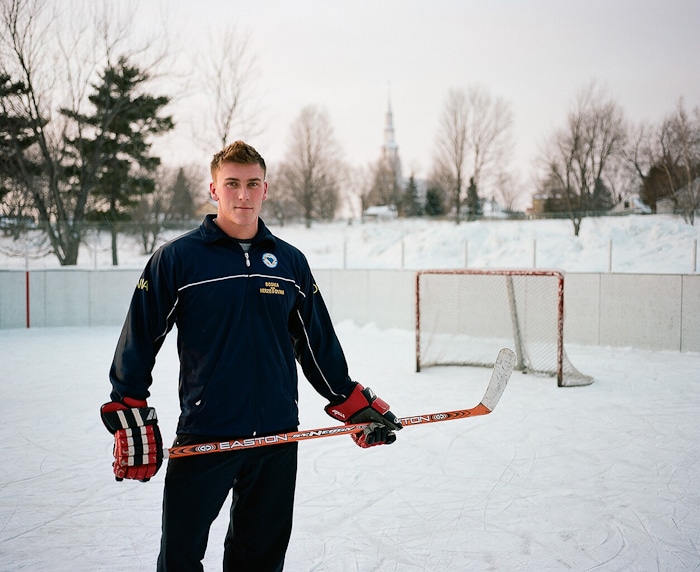
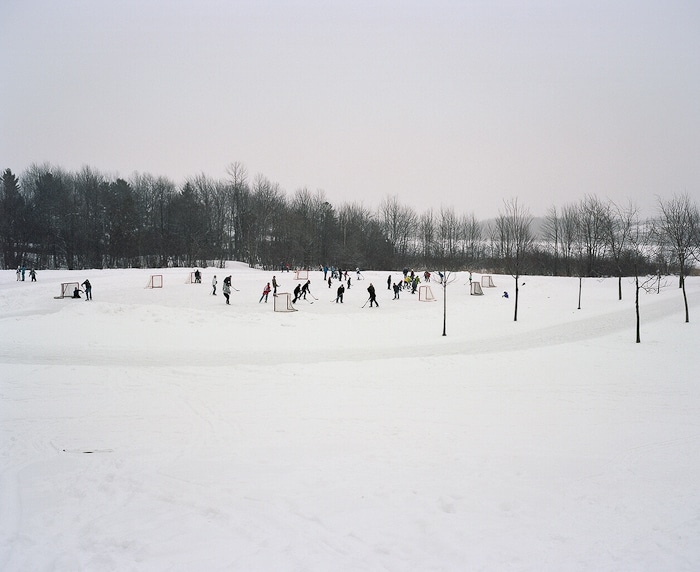
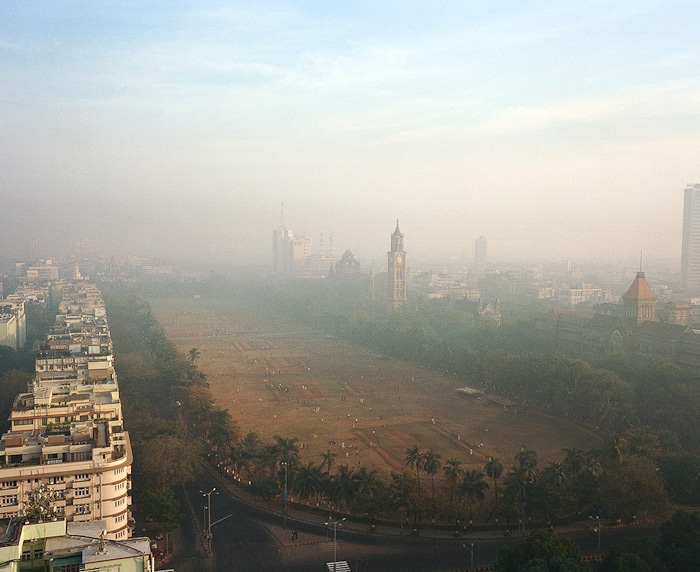
Brant Slomovic is a documentary photography based in Toronto. He was recently featured as a Contender in the 2012 Hey, Hot Shot! International Photography Competition and in the Collection at Flak Photo. His current personal projects include Shinny, which details the ubiquity of shinny Hockey in Canadian culture, and Puja, which explores daily rituals of spirituality in Indian life. Please follow Brant on Twitter.

Documentary Photographer Brant Slomovic | Shinny

1) You became a documentary photographer after pursuing emergency medicine. First what motivated you to change tracks? And, secondly, what was it in your training as a medic prepared you the most to be a documentary photographer?

Those are great questions, but to clarify, I was a photographer long before I even considered becoming a physician. So it wasn’t really changing tracks from one métier to another, as much as it was rediscovering of a need to make photographs and tell stories. I had abandoned photography when I entered university. By the time I finished my specialty training in emergency medicine this deep desire to express myself through images re­emerged. It was unstoppable.

I think of the two ­- medicine and photography ­- as completely separate existences. I’m keenly aware of the potential for conflicts of interests to arise, because I am a photographer and at the same time a physician. So the choice not to cross paths is deliberate. Perhaps one day I will find a way to approach a subject and bring the two together­; the insight and empathy that my training as a physician has developed and photo making.

2) If I was to describe the images on your website, I would use the words: “quiet” or “deliberate” ­ do you agree? Where did you acquire this sense of rhythm in your images?

I do agree, it’s a very fair statement. I search out these moments. On one hand its a reflection of an esthetic that I’m looking for. On the other, it gets back to your first question, about the relationship between practicing medicine and making images. As a result of the inherent chaotic environment of the emergency department, I look for the opposite when I am engaged with the other elements of my life. It's about finding a balance for me personally.

3) So many interviews I have heard or read focus on the process. I am interested in your intention. The projects you have embarked on ­ Shinny and Puja ­ couldn't be more disparate. Can you tell us what it is about each that you are drawn to?

Both the Shinny project and the Puja work emanate from very personal places. My long term projects have to come from something that stirs within, whether it be a deep curiosity or something I am already connected to and passionate about.

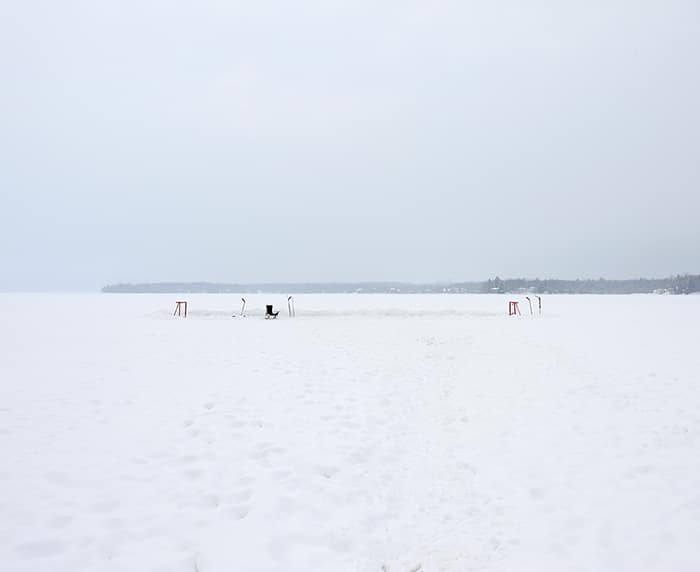
Shinny is about my love of hockey and the place it has in Canadian culture and art. As a Montrealer, having grown up during the heyday of the 70’s, it would be impossible not to be passionate about this subject. I see shinny as a deeply unifying Canadian experience, shared by a huge spectrum of people, from elite professional athletes to new immigrants. The initial inspiration began with the paintings of great Quebec artists like Terry Tomalty and John Little, who have established a tradition of painting hockey scenes. I thought “no one is doing this kind of work with photographs”.

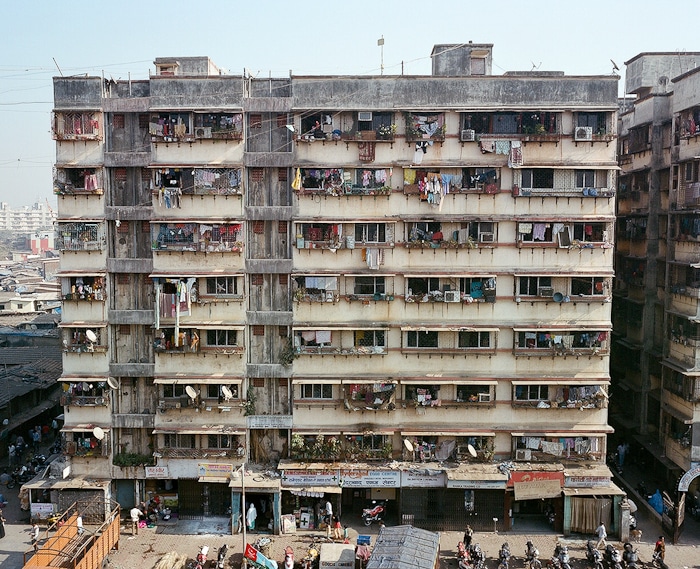
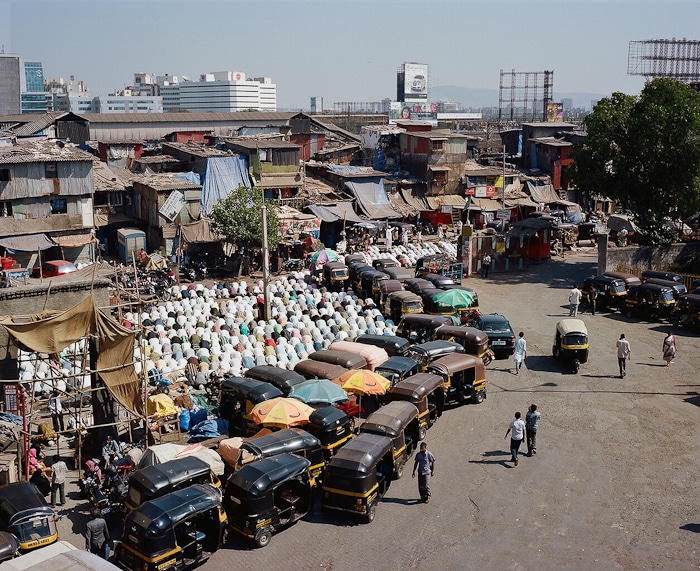
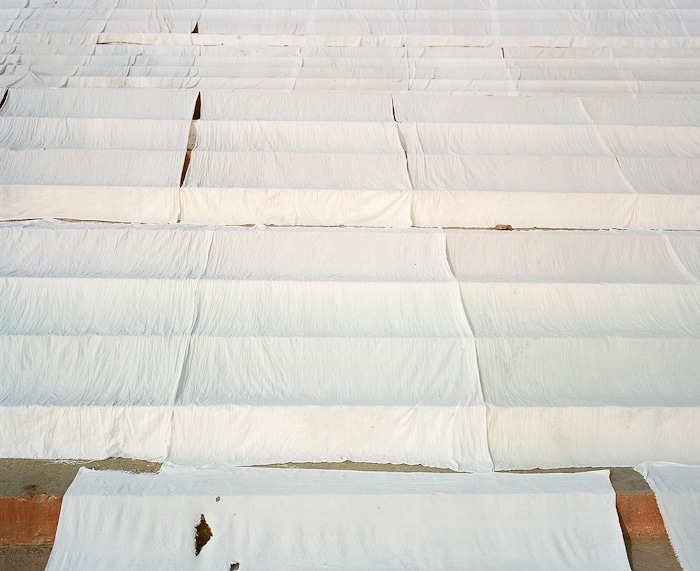
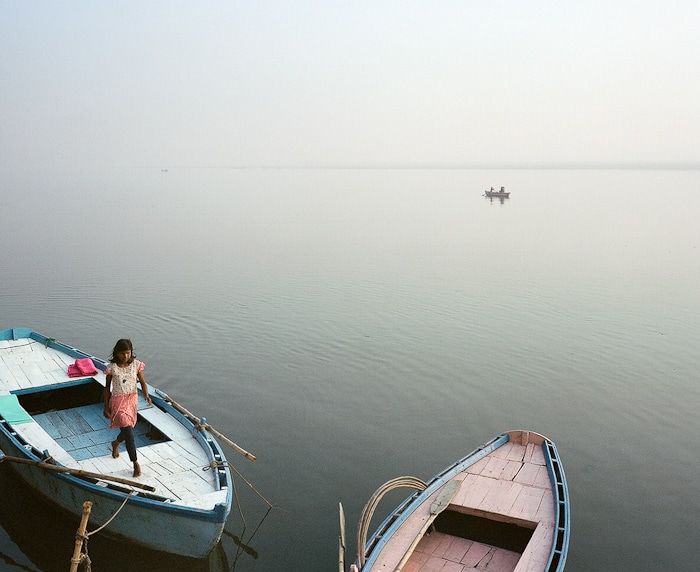
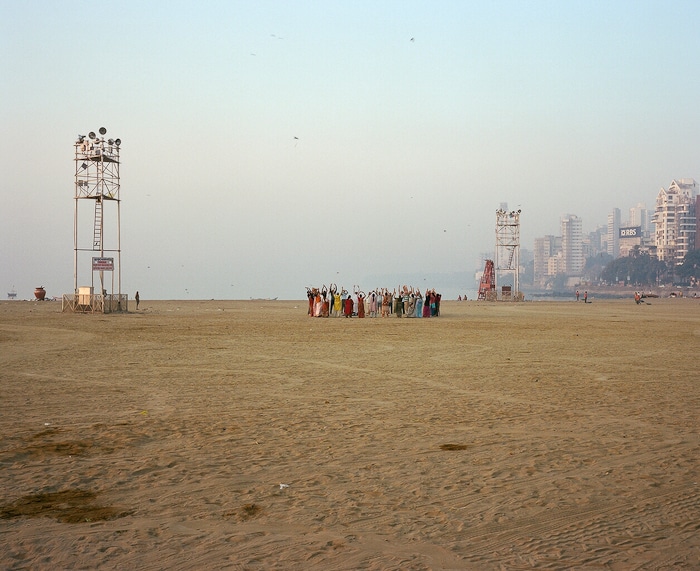
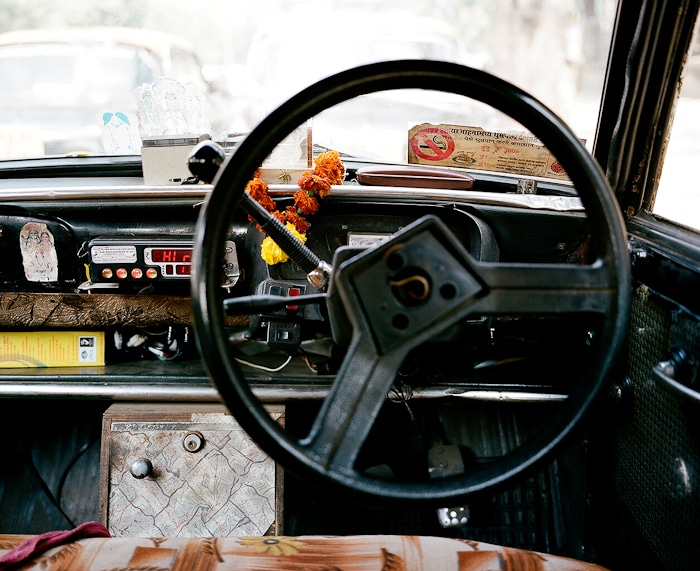
The Puja project is also highly personal. My wife was born and raised in Bombay. So my attraction to this work began with my discovery of her and where she came from. I am fascinated by the intertwining of cultures in India, how the lines of distinction are blurred, and by this sense of unification through diversity. The ritual of puja is a beautiful expression of devotion and I love that it can exist in public spaces and that it’s interpretation is limitless. Puja can be a specific religious act as much as it can be about the way in which one travels to work or performs mundane daily activities.

4) Around 1984, when you graduated from high school, you tasted your first big win in an art competition. How important is it for you to enter contests? How do you select which ones to enter? And, lastly how do you edit your images and select your personal “winners”?

To be honest, contests, per se, are not very important to me. The recognition is of course nice and there is certainly a role for them in the advancement of one’s work. At this point I am concentrating on building the strongest body of work that I can and on developing new projects. But hey, if you’re interested in nominating me for anything, I’ll accept graciously.

Editing is always a challenge. First, I take time away from the images and the experiences. I need the separation physically and emotionally; the space to gain objectivity. Then I enlist the eyes of a few trusted friends. The personal winners communicate emotion and that impact stands the test of time.

5) Tell us a little bit about your sense of awareness of when an image should be made.

A large part has to do with the preparation before you even show up. Developing a clear idea and intention, researching, immersing in one’s subject. Then, for me, its about being as present an open minded as possible. Looking and often waiting for specific moments but having the awareness to let things happen as well.
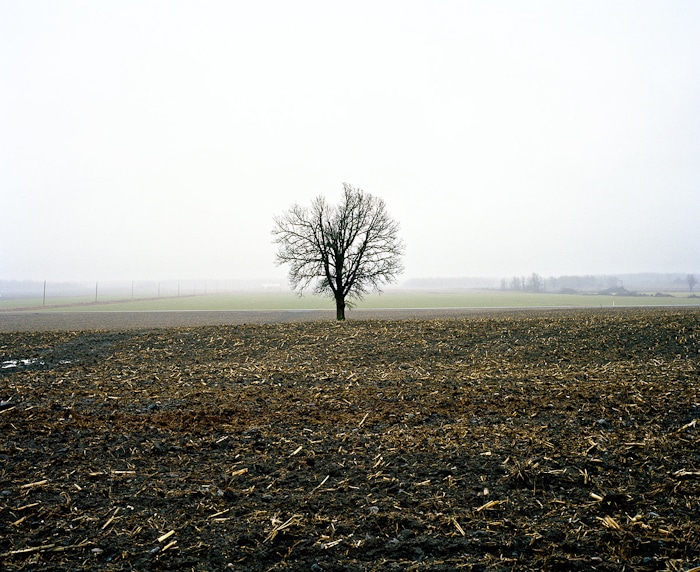
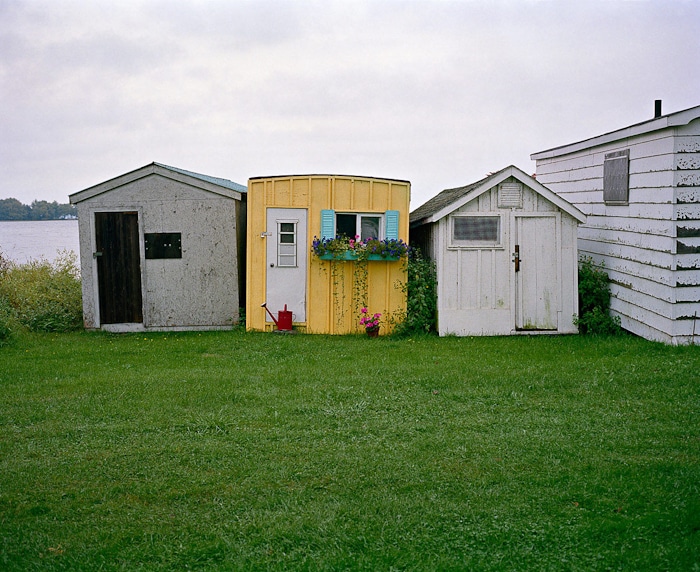
Documentary Photographer Brant Slomovic

Documentary Photographer Brant Slomovic

Documentary Photographer Brant Slomovic

Documentary Photographer Brant Slomovic

Documentary Photographer Brant Slomovic

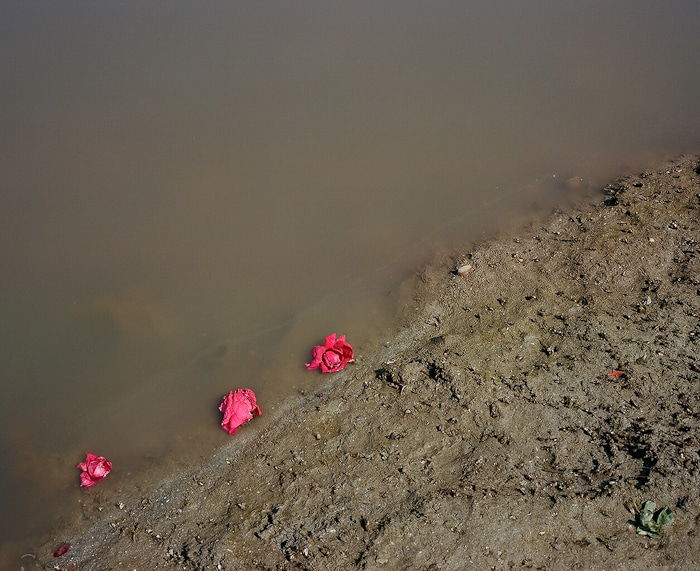
6) When I came across image #14 in your “PUJA” series, it stopped me in my tracks. Can you tell us about why that image was made and what its significance is?

That image was made because it was there. The significance is that for me the image is a reflection of India, in it’s totality. It is a literal and perhaps slightly cliché representation of the contrasts that personify India. I was also attracted to the scene because it made me wonder about the story of those roses ­where and by whom were they made, what was their purpose and in what kind of ceremony were they used. And finally, what was their journey and how did they end up adrift in murky waters.

7) I have to ask you about the form factor of your gear. What are you using? Are you shooting film or is all of your work now digital?

The majority of my work, and specifically the two projects we have been discussing, are shot on medium format film.

8) Whether it's “PUJA”, “SHINNY”, “GLENGARRY” or “PAAN”, I get the sense that you are most interested in how humans inhabit their spaces. True? Is distilling it to that even fair?

It is fair. There is certainly an element of that in my work. For a while, I wanted to make images devoid of people. It was just something that made sense and felt natural at a specific time in my evolution. When I was editing my first show, Glengarry, I realized that I couldn’t fully tell the story I wanted to tell without including the human element in the edit. From that point forward it has been something I strive for­ – how people fit into the narrative. I think of the work of Simon Roberts and Massimo Vitale as great examples of this.

9) Personal projects are never ever finished as they go on and on. Do you find yourself finding a point to stop and say that you've got it all and you move on to the next project?

Ha! Well I thought so. But recently I was encouraged by one of my mentors to return to a project I thought I had closure on. I’m considering it, but haven’t gone back to it, yet. I think some will inherently come to an end, either when I feel a sense of satisfied completion or simply exhaustion. With Shinny, I’ve just begun to scratch the surface and I’m excited for it to carry on for a long time.

10) Are you represented by an agency or a gallery? How would one go about buying one of your prints?

At this time, I do not have representation. Buying prints can be done through the contact link on my website, www.brantslomovic.com. Thank you Seshu. It’s been a real pleasure.

Know of other documentary photographers like Brant or Jim Mortram pursuing projects that they are ready to show and share with the world? Send them my way. I would love to highlight their efforts and interview them.
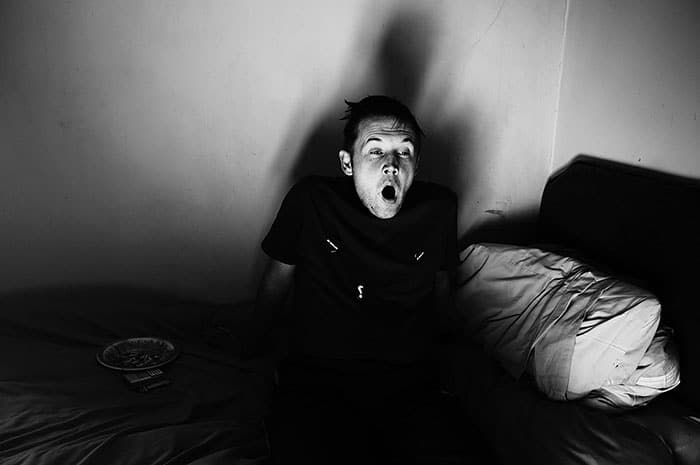
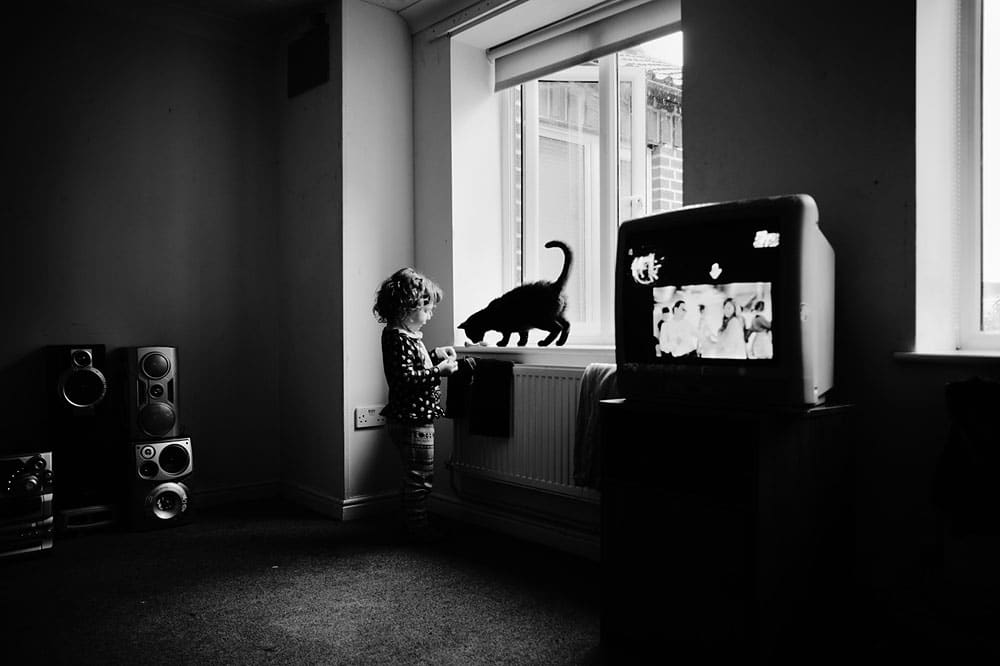
Filed Under: Uncategorized Tagged With: Brant Slomovic, Documentary Photographer, documentary photography, interview, project

An Interview With Documentary Photographer Jim Mortram

April 29, 2013 by Seshu | Editor & Publisher

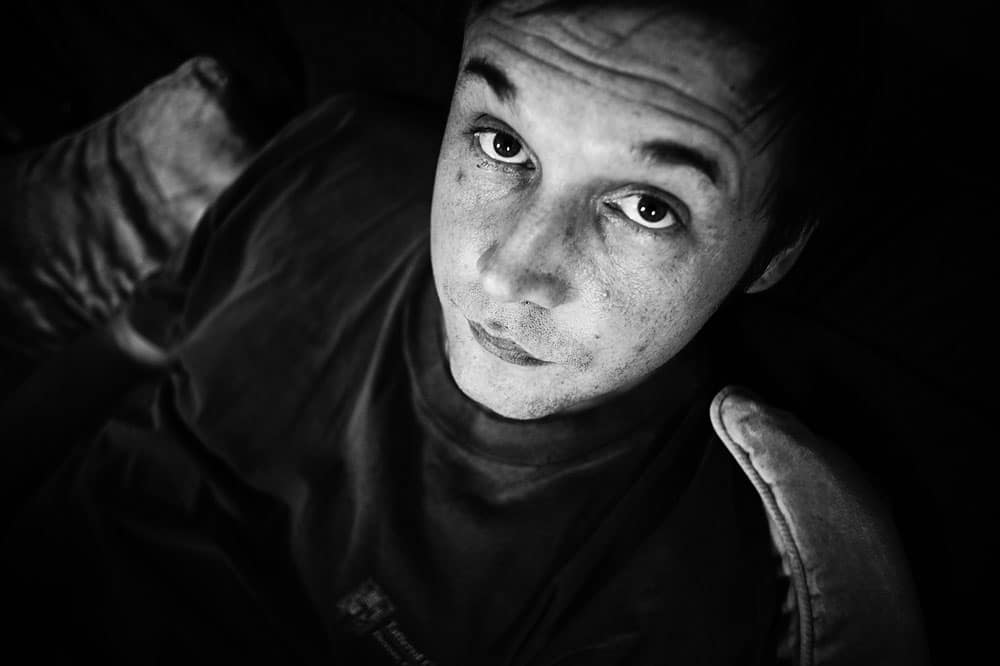
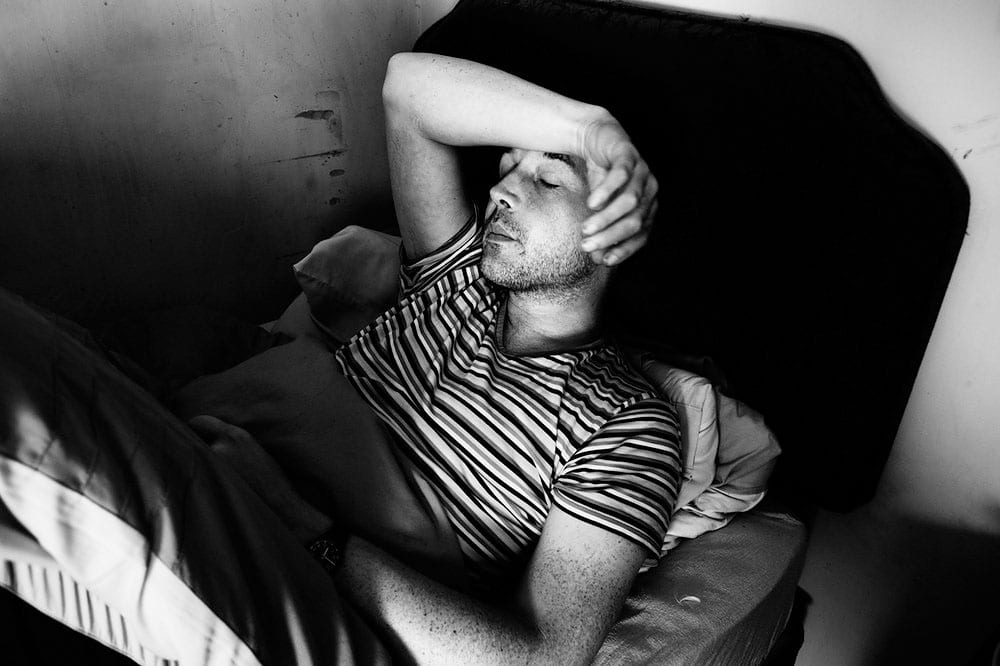
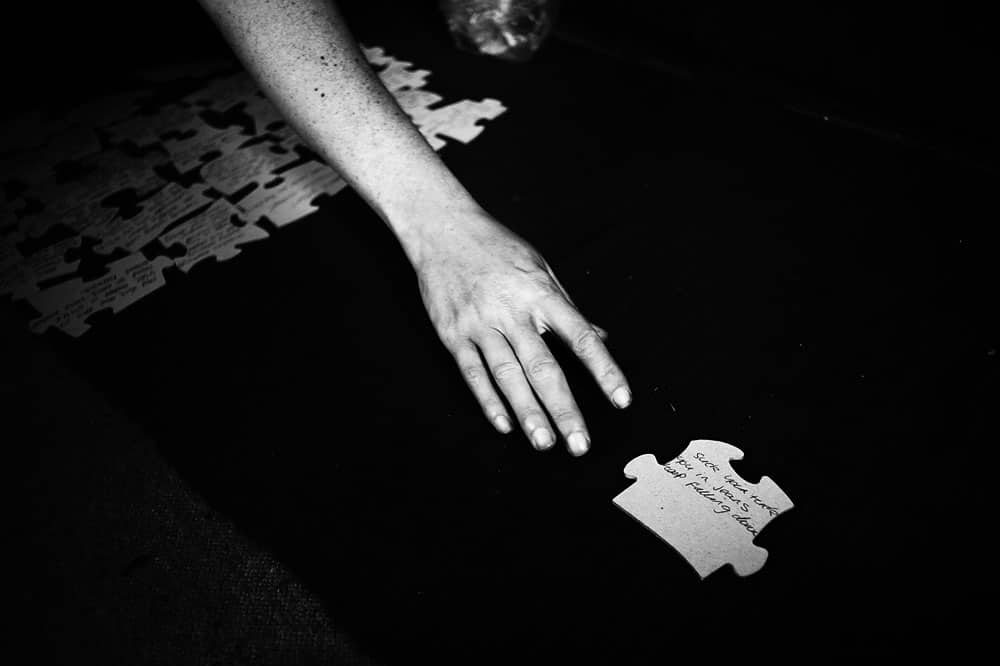
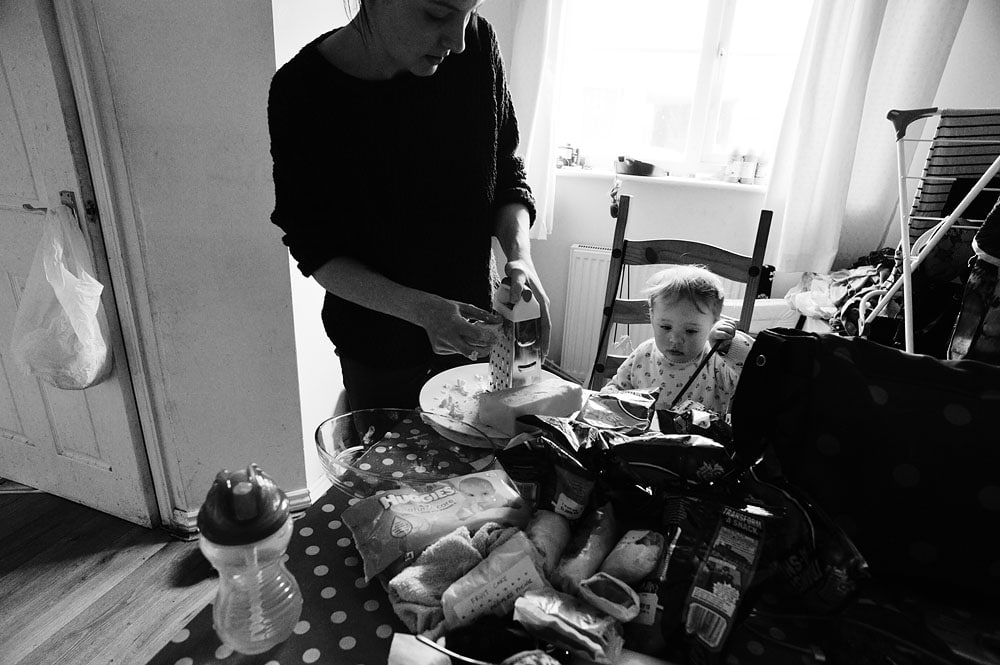
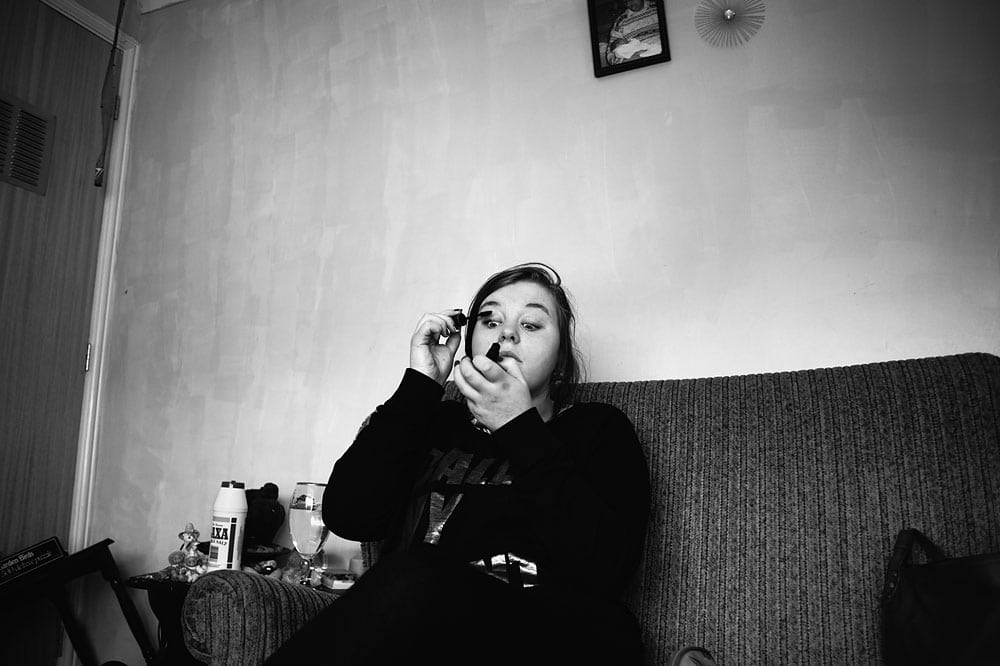
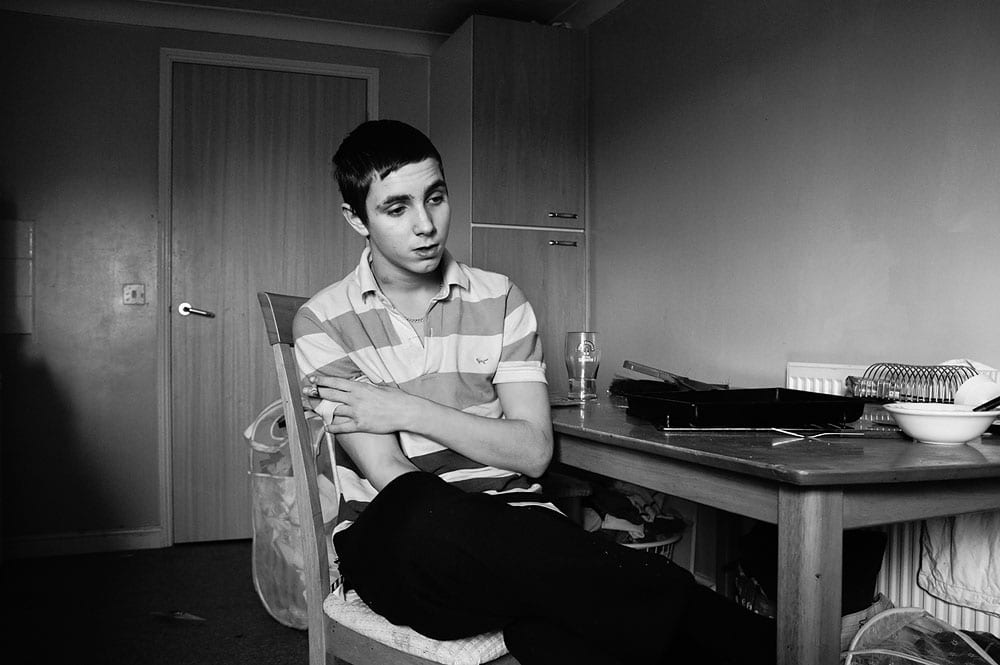
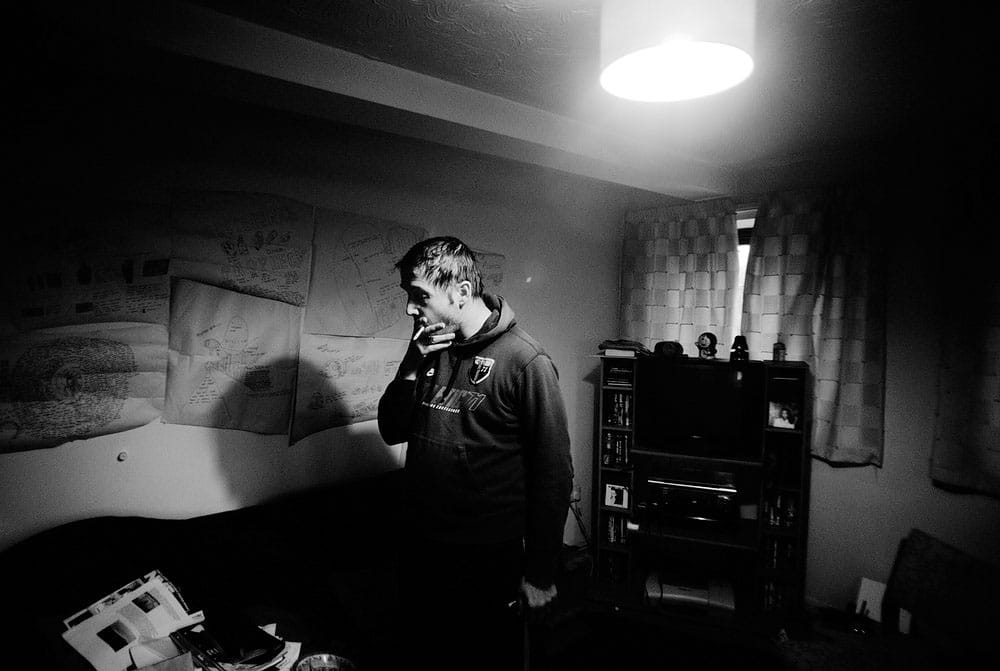
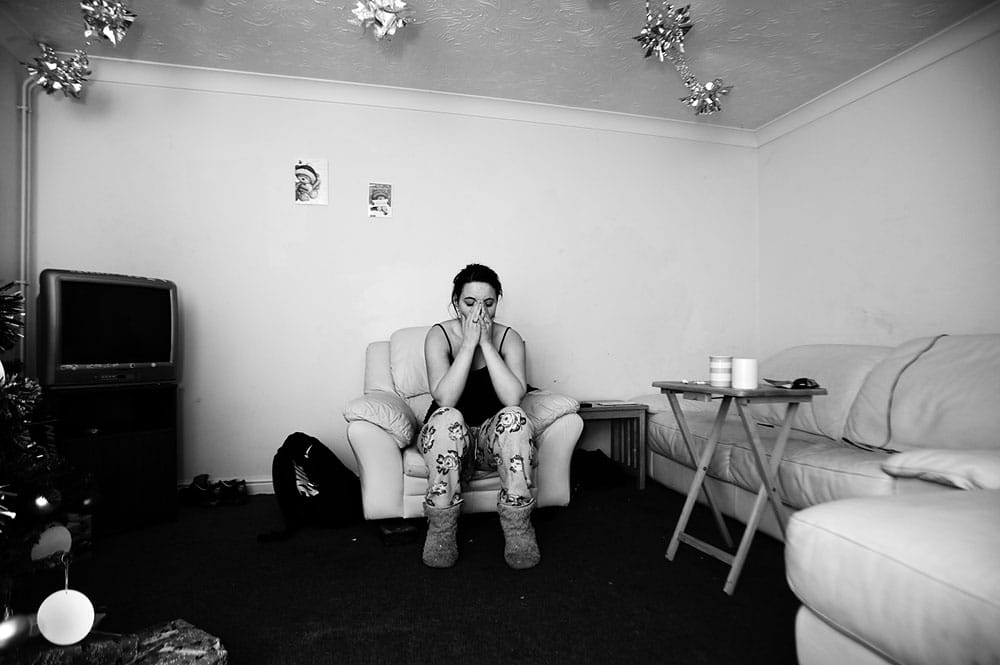
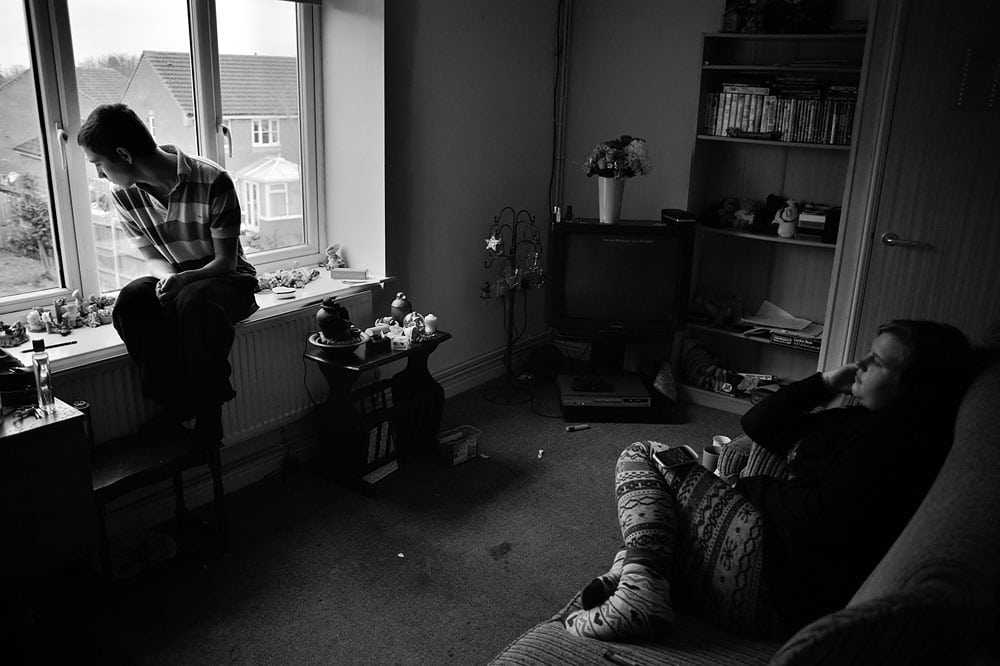
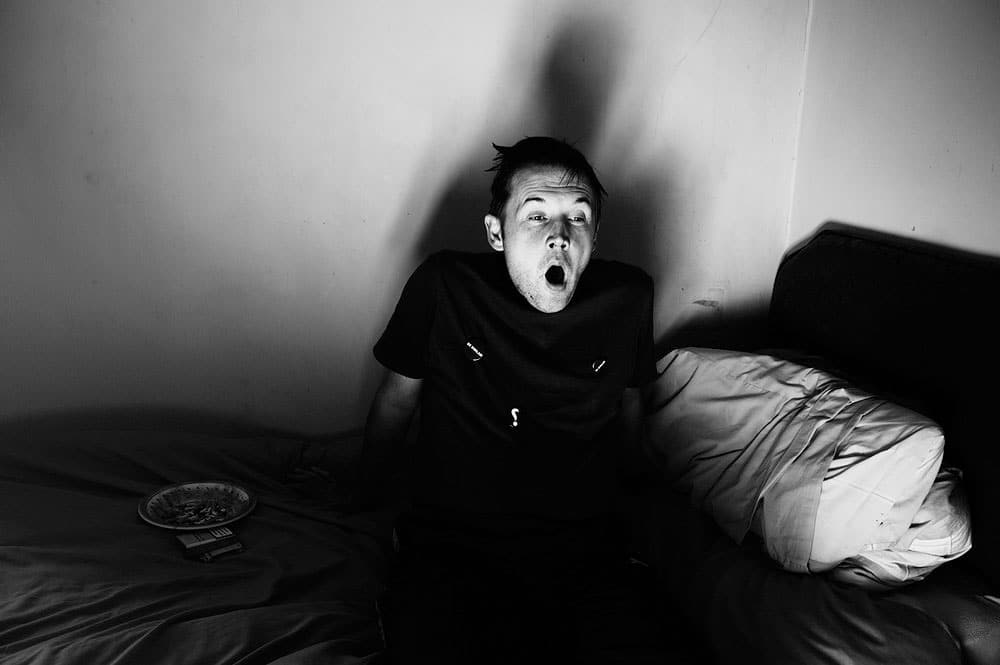
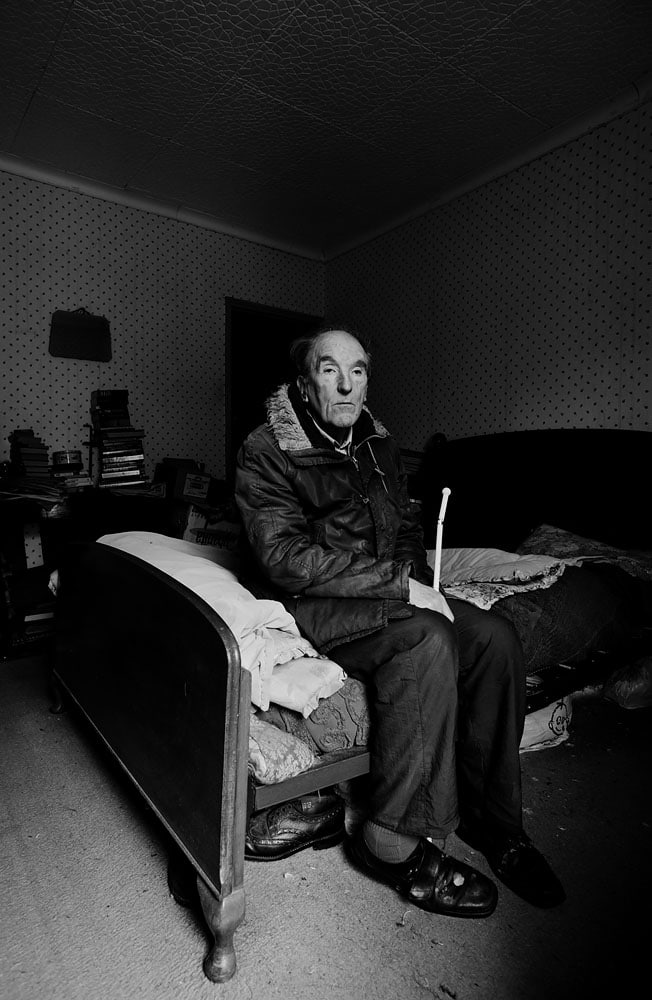
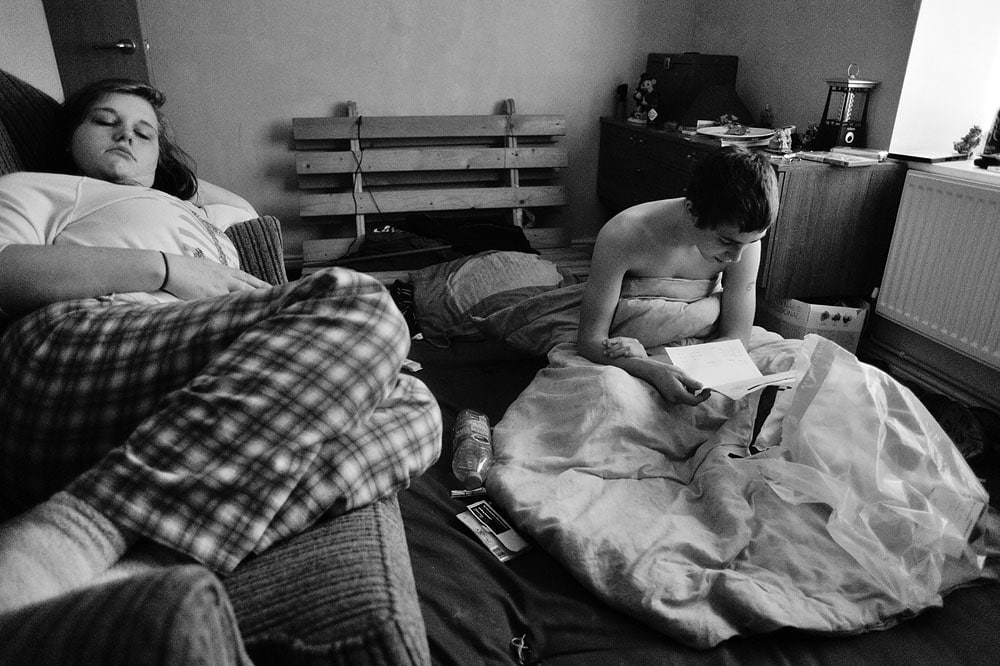
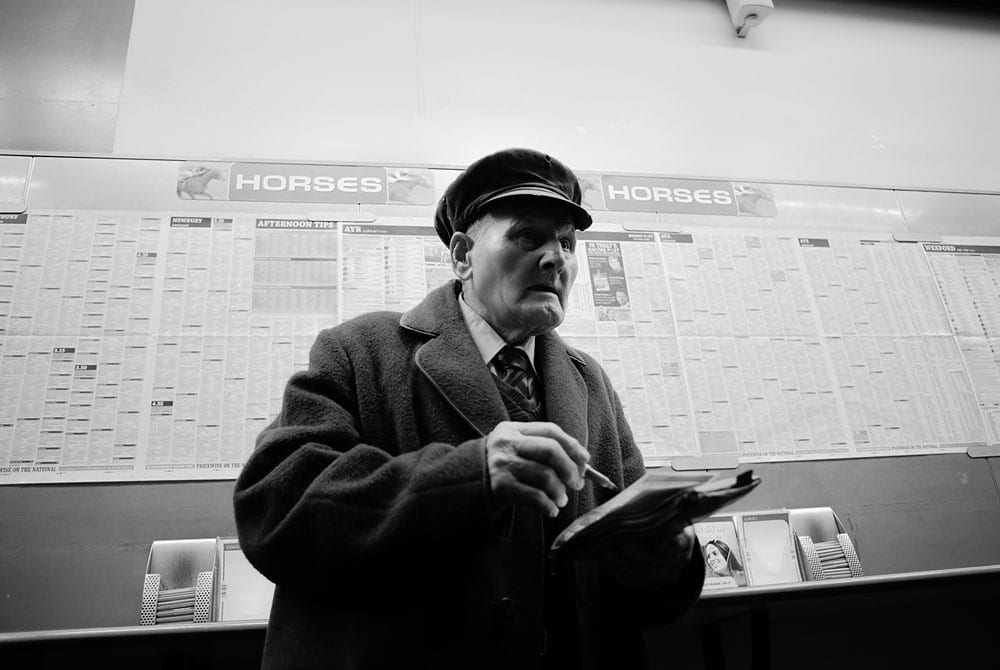
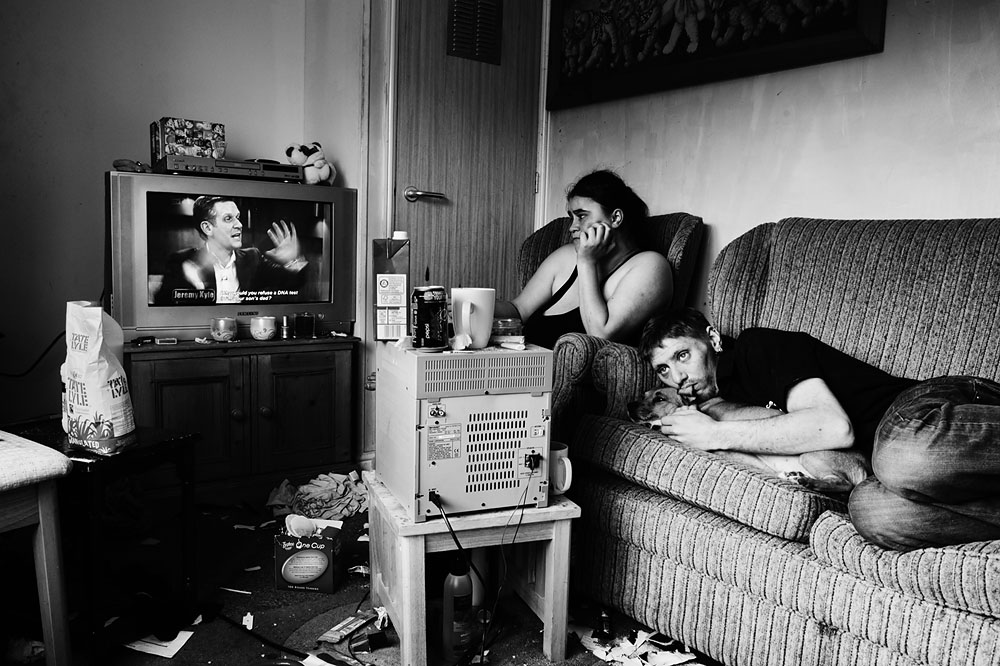
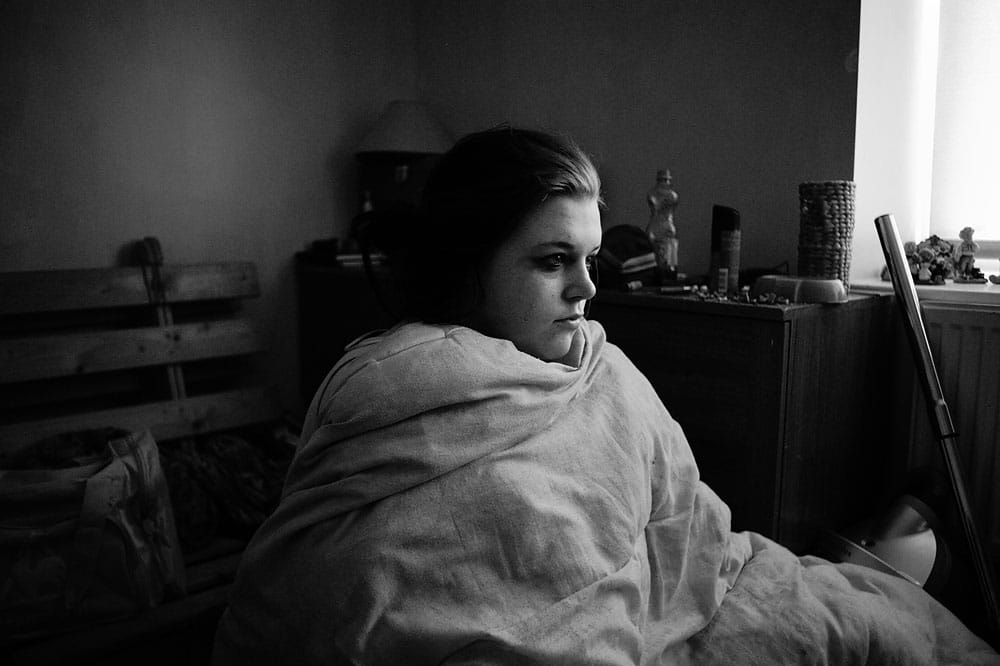
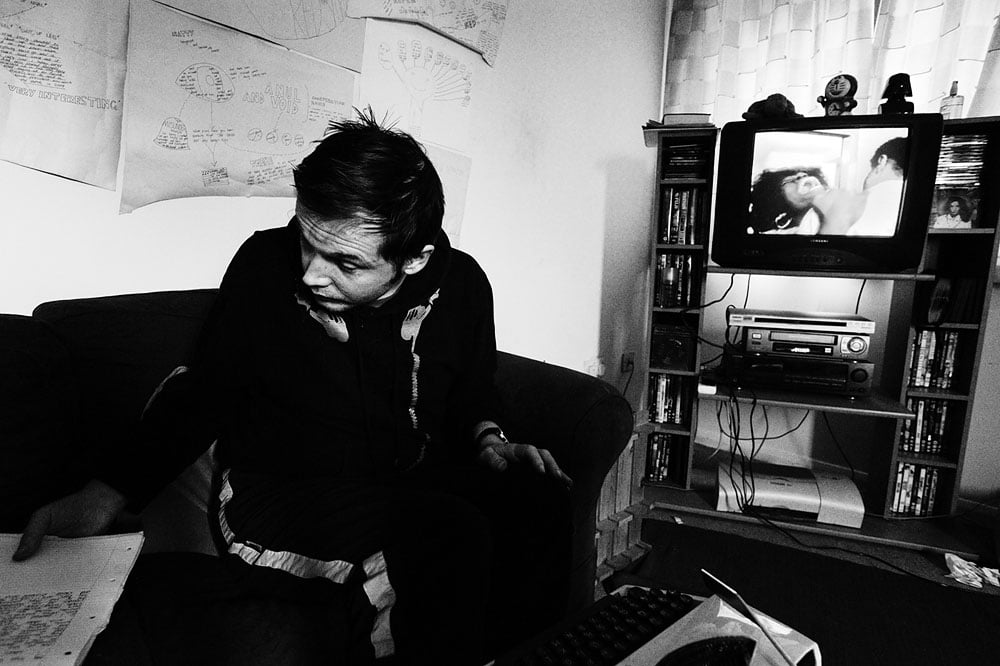
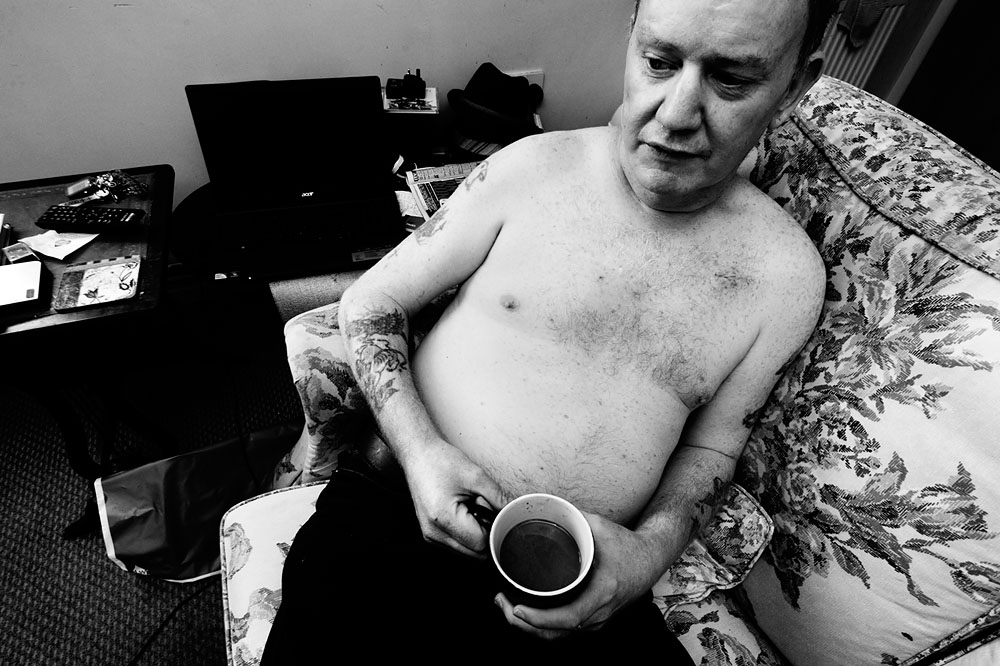
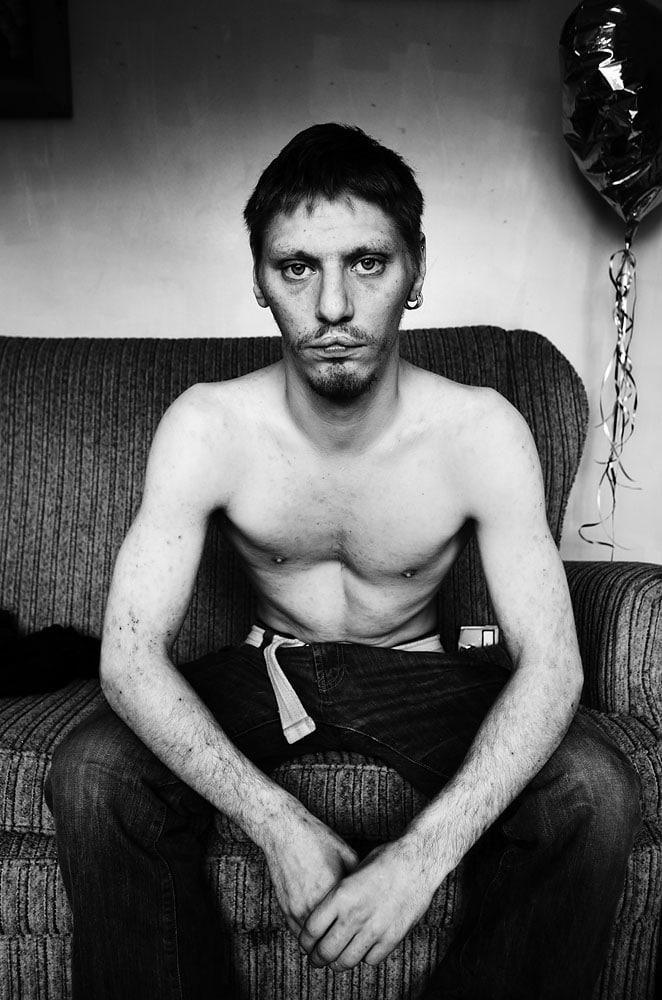
Jim Mortram is a documentary photographer. That's perhaps the easiest way to describe him. The images on his website – Small Town Inertia – gripped me like a vice for their gritty portrayal of lives lived in rural England. I was surprised by how quickly I cared for those people Mortram photographed. There is compassion and clarity in Mortram's approach and it is a refreshing change from the synthetic and saccharine images we are all subjected to every day. Mortram has published a limited edition book called “Electric Tears & All Their Portent” – limited and sold out! Please follow Jim Mortram on Twitter.

Small Town Inertia | Jim Mortram

1) Who are you and how did you get your start in documentary photography?

About six years ago I'd become quite insular. Working as a caregiver for my Mother in my family home; it's an intense situation, quite highly stressed, with odd hours. Before you're even aware of it, the ties you once had – friends and the connection to the outside word – erode. It's a subtle shift, and by the time I noticed, it was too late to cease that evolution. I was loaned a camera by a friend and immediately knew I had to document people. The challenge was where and how. I live in a very rural, low-population part of East Anglia, UK; I was tied to my duties as a caregiver. Long periods away from home to shoot were out of the question due to both responsibilities and financially. I hated the situation. I wanted to escape, wanted an escape for everyone involved … I wanted to click my fingers and make my Mother well, Father freed of the pain of seeing his wife in pain everyday but there was no way that was going to happen. After having this effect me profoundly it was then a long road of rebuilding everything.

One relationship really helped pull me out of my shell and pull my photography into focus. It was because of a person close to me, 2 doors from the family home, in fact. I'd known W.H. since I was a child. In his late 80's, I would visit often to hear his stories. Gradually I began to make portraits. He encouraged me greatly. The whole process was very organic and instinctive. He became ill with cancer, and I ended up being one of the last people to talk with him – certainly the last to photograph him. This experience really forged the understanding of why I had to document local people. I began to understand that everyone has a story; that they are all important. It also made me re-appraise my location and my relationship to it. I finally harmonized with where I lived. Where I had felt suffocated suddenly transformed into a place that was of the highest importance : Dereham, one of those small forgotten towns, with a distinct strata of the population that have also been forgotten.

I still work at home, caring for my Mother, that's never changed, I don't shoot for money, I fit shoots in and around duties etc. It's a big balancing act but like water finds it's way from mountains to sea, you find a way!

2) Do you have a sense of the documentary tradition – as in, have you studied it, or did this all come about naturally for you?

I'm an autodidact really, I studied fine art painting before being forced to quit early in my degree to return home to be a Carer. Regarding photography or documentaries I've always been aware of it and when I turned to it, it was a very natural extension of myself.

3) Why is it so important for you to document the lives in your own community?

I think this has been answered through the other Q&A's : )

4) How do you cope with the emotional baggage that usually comes with working in this genre of photography?

I could not see myself working in any other way than long form. Without the time invested, on both sides of the lens, I think I would document in a much shallower, ephemeral way, so taking months, years to constantly document and share it gives the series context, there is a evolution within the lives, to tell any story you have to do more than read chapter one you have to read from the front to the back cover. That's all far more important to me than how it might touch ‘me' emotionally, even if it and often is quite really stressful or saddening and you know if it did not affect me, touch me … I'd really worry.

5) How do you go about choosing people to photograph? How do you get access into their lives? Why are they so eager to tell their story to you?

I just ask … or sometimes I'll get a call from someone or someone who knows someone and wants to be involved. I always treat people, as I myself like to be treated. You can never feign nor fake interest in a person. I’ve never singled out people with an eye that they might make a good story for example; it’s a very organic evolvement. People are very giving and that humbles me greatly, my greatest debt is always to the person the other side of the lens. It’s such a great honor to be accepted and brought into another person’s life and given the access to document it. I’m sure I could work in a faster fashion but for me long form documentary is where my heart is. Often I’ll visit people and not even take an image, just talk and more importantly listen, and I listen more than I shoot. I have an equation that I always bear in mind talk more than you shoot and listen more than you talk and it serves me well. I break shoots up into periods of straight documentary and periods to shoot portraits, make interviews and shoot video.

Initially, for the people I work with it’s a way to have an opportunity, ANY opportunity to share their experiences and to be heard. It’s, I feel, a really empowering step for someone to make the decision to get involved, stay involved. It’s a way for many people to take a positive step, to maybe take some control where there might be a huge absence of any control in their lives. It’s also a mirror for many people, it might be the first time that they have paused for thought as every day is just surviving, enduring and when you live just to make it through one day to the next it’s often hard to distance yourself from that experience and take a moment for reflection.

6) Typically, how long do you spend photographing someone? When do you know you are “done” telling their story?

I'll shoot a person, their story forever, I don't think you can ever be ‘done'.

Small Town Inertia | James Mortram

Small Town Inertia | James Mortram

Small Town Inertia | James Mortram

Small Town Inertia | James Mortram

Small Town Inertia | James Mortram

7) Your images are almost always black & white. Was that by design or were you limited to black & white film? Do you shoot in color?

I get asked this a lot and there's a simple and fast answer and also one I might expound upon. When I started shooting I was using borrowed equipment, digital equipment, cameras, lenses and the monitor I had was broken, the colours were way off and no way to calibrate etc. so I turned the colour off and worked in mono. Mono suited me as I related to it having watched my Father hand develop images in the kitchen or the bathroom when I was young. My formative years were spent experiencing images in mono, newspapers, books from the library, most were featuring mono so that language was imprinted within me I think, the shapes within mono, the way composition is highlighted. I've never found a B&W image to be more abstract than a colour and I'm aware of all the arguments VS … likewise film VS digital … truth be told, from day one of shooting I'd planned to shoot colour (Film, medium format) portraits in tandem with the mono DSLR it was just a fact that I was not able to fund it immediately so I've had to wait a few years.

8) You've used social media quite effectively to spread your message. Which platform do you feel best helps you do that?

Twitter is amazing. On first glimpse it's easy to see it as quite an ephemeral platform, fast, impersonal but if you apply patience and dedication the friendships and relationships that have evolved from Twitter have been so rewarding, I've met and become firm friends with so many incredible people via Twitter. I've never seen the Internet as ‘other' to our non on-line lives, just different. It's like photography (or anything else) you'll get back what you put in and it's only going to be as honest as your own intent.

9) I can see how one could feel a sense of satisfaction narrating the lives of your fellow neighbors. But, what do your subjects receive in return for their time?

I've never felt satisfied, I feel driven, obliged, motivated to make photographs and share stories the way I do. It's all about addressing an imbalance, I find everyone around me is in a situation where they are subjected to prejudice or stereotyping, especially now via mainstream media and our current government. I have no satisfaction depicting lives, real lives lived that are sometimes filled with suffering, struggle … of course some stories feature great happiness, great strengths and endurances. As for the people I document, I never use the term or perceive anyone as a subject, I'd really have to ask them … were I to assume, I'd think as for me, it's good to have someone to talk to, share with, someone to listen and often the people I'm working with know they are never heard, never noticed and want to be, want an opportunity to have their life experienced rather than have it written about in text or policy by some far away pen that's no experience of their situation.

Jim Mortram10) You were accepted into Aletheia, the documentary photography and film collective. How has that helped you personally and professionally?

It's just amazing to be included with a group of such amazing documentary makers and afforded the opportunity to share work as part of a collective and a collective that shares a very similar world view.

11) What are your plans for Small Town Inertia? Have you been approached to create a book or a country-wide exhibit?

I just keep shooting and what comes along, comes along. If nothing ever happened I'd still do everything exactly the same.

12) You came at this from a very personal angle – your mom suffers from epilepsy. Is having a personal stake important in creating images and pursuing personal projects?

Having emotions and having empathy is important. I'm not alone in experiencing pain or struggle in life, in witnessing it. I'm not alone in allowing the sum of ones life to inform, to be fuel for ideas, to inform ethical or moral views, to be the compass, direction and engine.

I'm a big believer in the now, right now, to be alive in the now you can't ignore the situations around you. Here in the UK right now … it's a hugely volatile time, divisive … real fractures are appearing in society … and I feel compelled as you either to choose to ignore it and the lives situations around you or you feel it, experience it and react.

Documenting, to document “Something, such as a recording or a photograph, that can be used to furnish evidence or information,” is so important, important to the lives lived and important lest they now be forgotten.

Would you like to see more interviews such as this on Tiffinbox? Can you recommend other documentary photographers who are pursuing personal projects? Please do so in the comments section below. Your participation is crucial!

Filed Under: Documentary, Photography Tagged With: Documentary Photographer, documentary photography, James Mortram, photograph, The Documentary Tradition, Town

  • « Previous Page
  • 1
  • 2

Subscribe To Tiffibox Treats!

Looking for a well-curated email newsletter that will leave you inspired and motivated about your photography business? Sign up below!

About Seshu

Seshu creates relaxed portraits of families and high school seniors in Avon, Connecticut. He also leads a successful headshot photography studio in Connecticut, helping professionals from a variety of disciplines project the very best versions of themselves. He created Tiffinbox as a way of inspiring photographers, to create better images and successful businesses. [Read More]

Email Templates For Headshot Photographers

Email Templates for Headshot Photographers

Recent Posts

  • How Capture One Changed My Event Photography
  • 10 Steps To Stay Positive In Times Of Great Stress
  • Why You Need To Read “Personal Branding For Photographers” Now
  • How To Master Your Website Content Step By Step?
  • Tony Taafe’s TNT Method For Headshot Photographers

Recent Comments

  • Stephen Davison on Are You A Business Owner Who Is Smart, But Stuck?
  • Ben A. on Don Giannatti Clinches The 8th Annual Tiffinbox Award
  • Dan on Don Giannatti Clinches The 8th Annual Tiffinbox Award
  • Donald Giannatti on Don Giannatti Clinches The 8th Annual Tiffinbox Award
  • Stephen Davison on G.E. Masana’s 6 Strategies For Wedding Photography Success
  • Naveen Kumar on Weddings In India Are More Than Being At The Right Place And At The Right Time
  • kartick on Weddings In India Are More Than Being At The Right Place And At The Right Time
  • Leonid Farbman on 6 Uncommon Trends To Grow Your Photography Business
  • Willow and Finch Wedding Photography on 11 Reception Tips To Help Your Wedding Photography
  • Web Designer Malaysia on How To Optimize Your Squarespace Website For Search Engines
  • Creastan on An Interview With Photojournalist G.M.B. Akash
  • Cindy Brown | Atlanta on An Open Letter To A Local Photographer

Become a Patron!

Copyright © 2026 · Tiffinbox · Site Design by Heather Mackan Creative · Built on Genesis