• Photography
  • Interviews
  • Business
  • Reviews

Tiffinbox

Inspiring Photographers

  • Home
  • About
  • Blog
  • Contact

5 Tips For Watermarking Images That Protect And Brand Your Photography

June 7, 2013 by Julia Spencer

This guest post is by Julia Spencer, from Visual Watermark, who writes guides about the photography industry and interviews people.

Worried the photos you share online are being used without your consent? Watermarking images is a great way to protect yourself against people passing your work as their own. Plus it helps build brand awareness.

Ideally, a watermark should be a means to reach out to fellow photographers and consumers to let them know who took this amazing shot and not suspect everybody for wanting to steal your work and thus divert their attention from your great composition.

Here are some key pointers to keep in mind when watermarking your photos:

1. Choose Watermark Position Wisely

Watermark placement can be tricky. You want to place it carefully so it protects your image but doesn't detract the viewer from the photo. Ideally, you should place it in the center of the image, but never on a solid or smooth background. Otherwise, it will be too easy for someone to remove it completely. Here go better and worse areas for watermark placement.

Watermark Areas | VisualWatermark.comGreen areas represent better place for your watermark. Red zones are places to avoid.

Unfortunately, centered watermark will be “too much” for most images and your viewers will definitely point to this. Unless, you host a photo stock website, of course. Oversized watermarks are a common practice in this business.

Here you can get a better idea of the best areas to place your watermark in an image. Also, depending on your subject, you can blend the watermark into the photo, like in the example below:
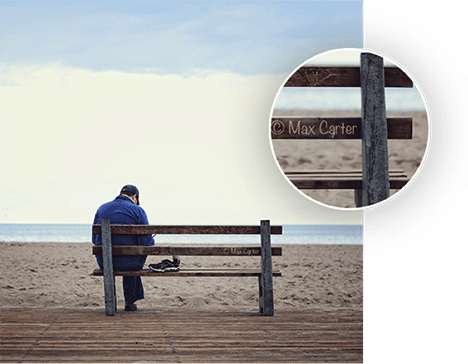
Blended Watermark | VisualWatermark.com

The second thing to consider when watermarking your photos is the size of the watermark. Make sure it's large enough to protect most of the picture's details. As a result, your watermark would not be removed without significantly damaging the image quality. Ideally, your watermark should cover at least 30% of an image.

2. Semi-Transparent Watermark Looks Better

You can make the watermark semi-transparent – it will still protect your photo but the watermark will seem less obtrusive. Using the right software, it's easy to place a transparent watermark to your photos.

Semi-Transparent Watermark | VisualWatermark.com

3. Always Watermark Hi-Res Photos

Many photographers put watermarks on hi-res photos only. These photos can be used for wide format digital printing and thus it's very-very important to protect them. On the other hand, they leave low-res images without watermarks.

However, this is not a commonly held opinion. If you want to place a watermark on your photos, you can use a batch watermark maker. Photo editors like Photoshop don't allow you to adjust watermark size and position for horizontal and vertical photos. So, you must use a batch watermark creator, such as Visual Watermark.

4. Watermark Protects Your Rights

US-based photo attorney Carolyn E. Wright recommends that you place your watermark on each of your images. The official copyright notice includes 3 key elements:

The first part is the © (the letter “c” in a circle), the word “Copyright,” or its abbreviation, “Copr.”
The second part is the date of first publication.
The third part is the name of the owner.
The final copyright form should look like as simple as: “© 2013 Your Name.”

Copyright notices in the US can be used without registering your images with the US Copyright Office. Watermark removal is a law-restricted activity with fines starting at $2500 per image.

5. Let Them Know How To Find You!

It's a good idea to provide your website address and/or other contact information. This helps to promote your work. Your potential customers should know how to find you!

When people share your image, they rarely doubt to mention where they took it. Your contact details will help to find you. However, don’t place everything in your watermark. Website address or a phone# is fine.

Summing Up

Ultimately, the key benefits of watermarking your photos are copyright notice and brand recognition. It informs people that your work is copyrighted and it also identifies you as the author. Plus, if your photos have a watermark, other people will have a way to link it back to you or contact you to ask for permission to use your work.

So what are your preferred methods to copyright your photos? We'd love to hear from you, so don't hesitate to leave your comments below.

Filed Under: Uncategorized Tagged With: 5 Tips, Batch Watermark, Digital Watermarking, The Watermark, Visual Watermark, Watermark, Watermark Images, Watermark Maker

An Interview With Documentary Photographer Zun Lee

June 6, 2013 by Seshu | Editor & Publisher

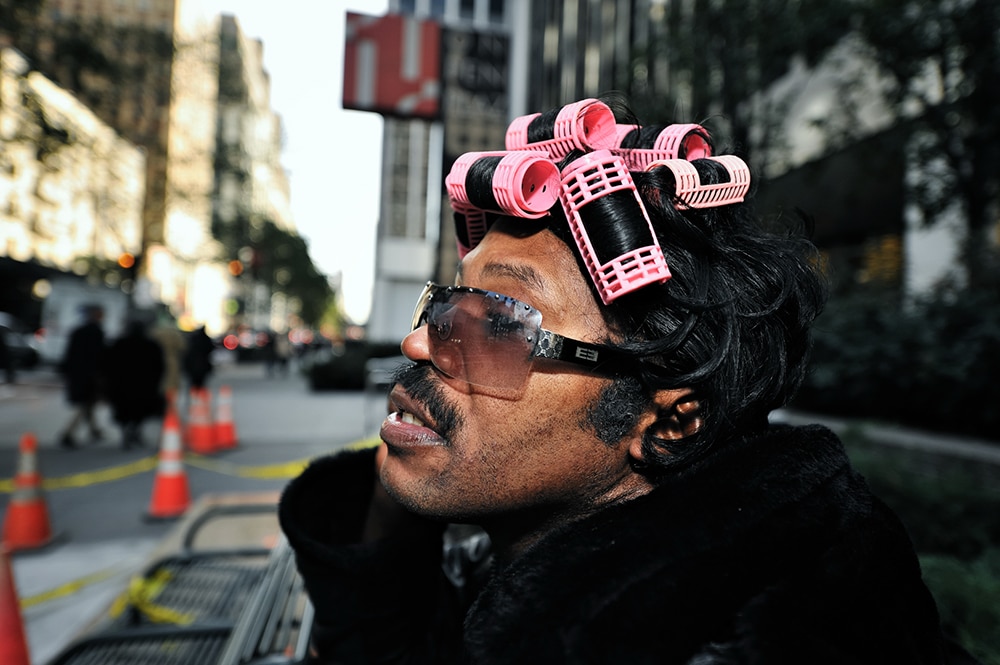
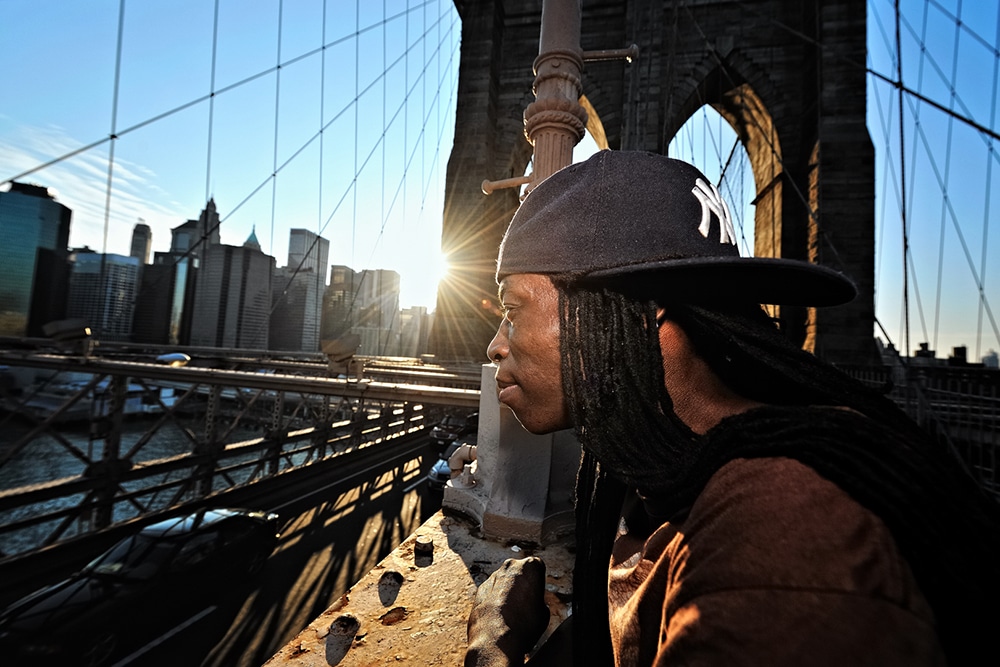
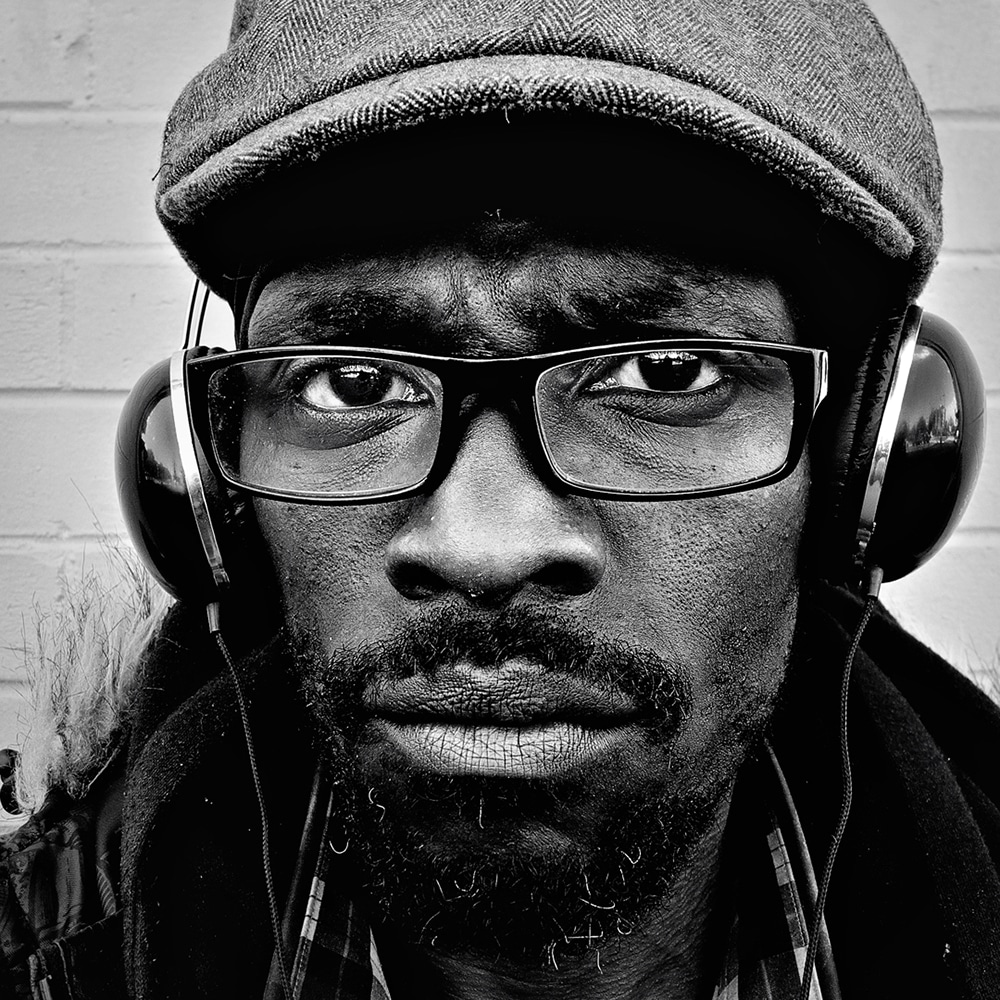
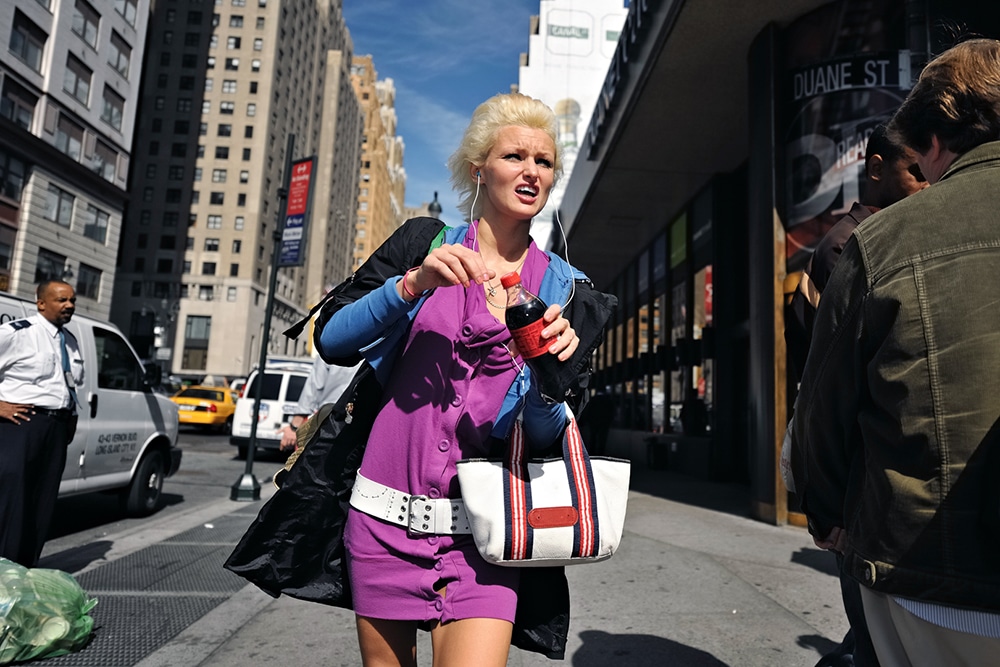
Zun Lee is a documentary photographer and a doctor. You can find some of his work also on this Flickr page. Zun was recently interviewed by New York Times about his project documenting African-American fathers and their relationships with their children. Check it out! Follow Zun on Twitter too!

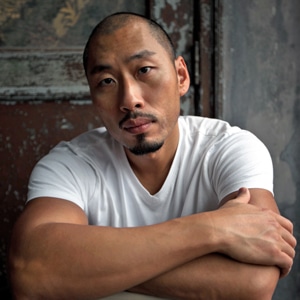
Zun Lee | Documentary Photographer1) You say this in your bio: ” I was trained in a profession in which humans at their most vulnerable grant permission to a stranger to invade their privacy. As a result, I have always had an intense interest in the dynamics of power, trust and control when it comes to human interaction.” What profession is that? Are you referring to photography? Is this sense of vulnerability in the back of your mind every time you photograph someone – stranger or friend?

Being a physician definitely plays a part in how I go about interacting with people on the street. I’m not referring primarily to photography. For me, being a photographer is not something you “do”, it’s who you “are” as an artist and as a human being. So, yes, this notion of interaction and exploring aspects of vulnerability is constantly in the back of my mind.

When I refer to interaction between the photographer and the subject, I don’t necessary mean actual verbal communication taking place between two human beings. Even in street scenes or portraits featuring a single human being, the “subject” isn’t necessarily that human being. Our thoughts and behaviors are affected by how we move through the world, so the environment and how one relates to it at any given moment in time also play a part in that interaction.

Of course, the kind of interaction I seek on the street can take the form of actual verbal exchanges, and it is often the case for me. Sometimes, it’s subtler – a nod, a glance. But most of it happens invisibly – A feeling, emotion or state of mind you may become aware of in a particular moment and that you project into the world: in some cases, curiosity, empathy, love, optimism. In other cases discomfort, fear, doubt. Folks that know me personally often hear me talk about “energy”, something you intuitively feel in your gut as you survey your environment for picture-making opportunities.

Photographing people on the street, no matter how “interesting” or “beautiful” the subject, that alone doesn’t do it for me. I would like for the viewer to be able to discern what kinds of thoughts or emotions were involved when I pressed the shutter. Or at the very least, make up their own story about what is unfolding.

2) How do you approach strangers? What do you say to them? Or, do you simply watch, capture and move on like Bresson did? Indeed, I am curious to know how you operate. Tell us.

It’s not a one-size-fits-all approach. It all depends on who or what I see, and what that particular interaction may yield. Sometimes, it happens in a fraction of second – I snap and move on. Sometimes, it can take several minutes of striking up a conversation and then catching the individual in certain moments in which they share a part about themselves that wouldn’t have been easily evident otherwise.

“… Can I take your picture” is rarely a conversation starter. Getting creative is key. The subject also has to get interested in you – it works both ways. Humor helps a great deal. Being honest and upfront about who you are and why you’re doing this works most of the time. Rehearse your lines in front of the mirror or with friends – if they’re not buying it, you’re likely going to be in trouble.

Something that almost never works is being sneaky. Keep it natural and always be prepared to deal with rejection. And be courteous and thank them, even after a “no”. That’s the best policy.

3) What you and I share is this – and I hope I am on the right track about this – that there is innate beauty in everyday life that goes without being photographed or is not noticed by most. Do you agree?

Completely agree with you. I’m a strong advocate of finding beauty in the mundane, everyday scenes that unfold before us. That said, “beauty” doesn’t mean “beautiful”. I’m referring mostly to scenes or moments that remind us of how precious life is in all its facets – the good, bad and the ugly. And again, I think the best way to go about it is to approach the streets with a sense of wonderment and openness to its possibilities. Or, as one of my mentors once said to me, “Shoot with love, and you will shoot with purpose”.

4) Why is that we don't celebrate those moments where people reveal a little bit more about themselves for that split second? What causes us to cover ourselves up? Is it simply fear of being judged?

I think overall, vulnerability is seen as a weakness in our culture and surely, nobody wants to be judged as weak. We don’t publicly show and tell, we don’t give broadside. Also, I think life itself has gotten a lot tougher for most people in North America in the last few years – people generally have very little to smile about and lives have become increasingly hectic. When we get up and get dressed every morning and leave our homes to go to work or to run errands etc., the last thing on our mind is to reveal who we are and how we feel. We’re constantly stressed, have very little downtime, try to get from point A to point B quickly. We don’t stop to smell the roses, we have our game face on. We put forth this impenetrable façade to prevent us from sensory overload and avoid engaging with the outside world at any cost. Headphones on, eyes on our smartphones. Minds on our own business.

Zun Lee | Documentary PhotographerIf you think about the implications of that, today’s widespread notion of “candid photography” is really a misnomer. Think about the very definition of the word “candid” – frank, open, honest, transparent. Given what I just said above, people are anything BUT candid in public. Is taking pictures of people in that state of hurried indifference, without their knowledge and/or consent and without the subject looking into the camera really “candid”, then?

For me, candid means breaking through that emotional fortress and finding some kind of truth underneath that. Some wait for these decisive emotional moments. Others surprise and startle their subjects. I’m usually more about some kind of subtle interaction.

When time or the nature of the exchange permits, I show the pictures to the people I just photographed. Sometimes, I get “I didn’t know I look like this” or “Did I really make this face” as a positive reaction, which tells me I was on to something.

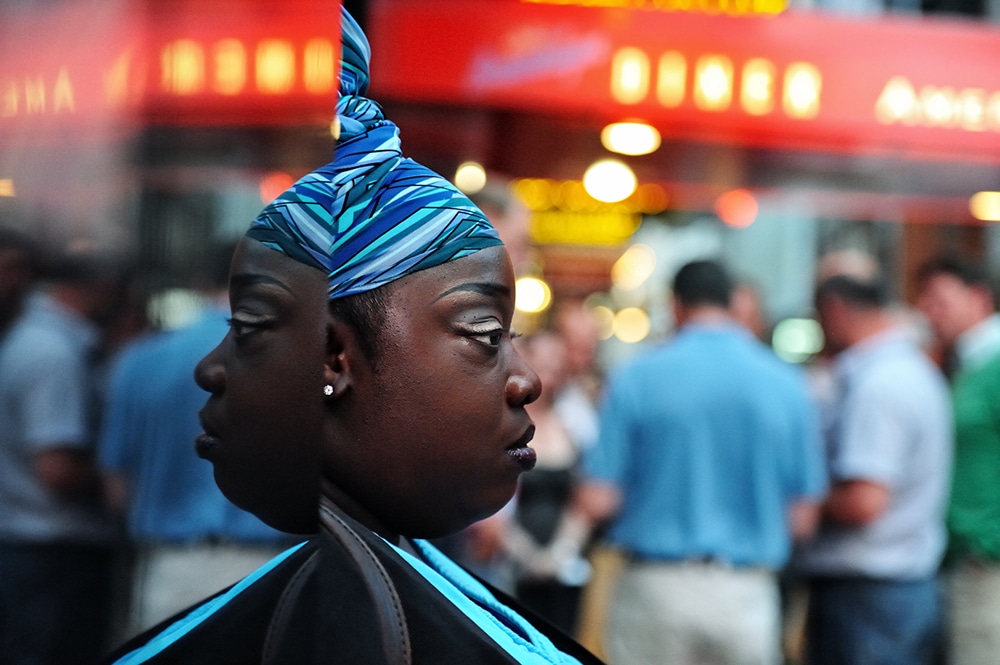
5) Your opening image in your “Street Portraits” portfolio is of a woman deep in thought, but there is a reflective, double-image of her. The image is rich with complementary colors and your use of a very shallow depth of field forces us to “stare” back at this woman. It's an arresting image. Do you know who she is? Do you engage with people once you photograph them? How aware was she that you were photographing her?

Thank you for the love and appreciation, Seshu. I was spending a day with fellow street shooters Ourit Ben-Haim, Rena Ginzburg, and Michael Martin in Midtown Manhattan (group walks are usually not my favorite thing to do but it works with certain shooters). We all saw this lady in Midtown Manhattan and were drawn to her immediately. She was VERY aware of our attempts to photograph her and she definitely did not appreciate it. The situation could have gone wrong easily, and somehow I managed to explain why we found her intriguing and why we wanted to take her picture. She eventually relaxed and allowed us to do our work. This particular shot took a while to get, as I wanted her to be a little more settled down and find an angle that gives me more context in terms of color and texture. I gave her my card and obtained her email address, and sent her the picture a few days later.

I think the latter is always a good practice – to return some of the goodwill by sending people the pictures you took, especially if you engaged them in a longer conversation. Or if email is not an option, make prints and mail them, or keep them with you as you roam the streets, ready to hand them out if you happen to run into the same individuals again. It happens more often than not.

Zun Lee | Documentary Photographer

Zun Lee | Documentary Photographer

Zun Lee | Documentary Photographer

Zun Lee | Documentary Photographer

Zun Lee | Documentary Photographer

Zun Lee | Documentary Photographer

Zun Lee | Documentary Photographer

Zun Lee | Documentary Photographer


6) Do you get any grief from people you photograph on the streets? I am curious to know how you deal with conflict on the street.

… All the time! People routinely yell and scream, sometimes fists get swung my way, and I’ve been stopped and detained by cops who were not aware of the legality of what I’m doing. And even without those moments, you have to be prepared for a lot of rejection. It’s not a relaxing pastime.

I’m actually quite shy and conflict-averse, so shooting street is definitely nerve-wrecking to begin with. I can’t tell you how many times I missed a shot by passing by a person or scene I really wanted to photograph but couldn’t muster the courage to do so. I’ve gotten better at standing my ground and negotiating with people to get what I want, but in the end you don’t want to manipulate them or cause unnecessary conflict. So if the answer remains no, you got to move on.

In general, I’d say pick and choose your battles. Over time, you develop a pretty good sense of which individuals you can push beyond the initial “no” and which ones are best left alone. Familiarity with a certain neighborhood also plays a role. When the locals see you coming back time and time again, it establishes a certain level of trust. By that token, it also helps sometimes to stay put in a certain spot for a while and interact with the people in the area until they relax and won’t notice you anymore.

7) The human face is perhaps the most interesting thing to photograph. What got you started on this mission to photograph people on the street? What drives you personally to observe and then to photograph these human interactions?

Agreed, for me it’s all about the face and the eyes. I think everyone has a story to tell, and that story often manifests in the face and eyes. I just have this desire to get in on that story, to uncover at least an aspect of it. But in the end, it isn’t really about “their” story. I think of my street photos as mirrors to my soul – they often reveal more about me and my state of mind than about what’s happening in front of me. Going back to the idea of “energy”, I often gravitate toward individuals that mirror my own realities back to me. It’s very unnerving to put that out there with certain frames, but it can also be liberating.

I first ventured into the streets about 4 years ago and was just happy to experiment, get to know my gear. I didn’t even know much about street photography then, had no idea who Cartier-Bresson, Winogrand, or Klein were. I went shooting every day after work, and on most weekends, more or less. At first, it was without much of a plan other than having an interest in photographing strangers, except I didn’t really know how to go about that. As mentioned, I’m quite shy, so the whole experience was terrifying. I just had a desire to learn how to do that, so I kept practicing. I tried with longer lenses at first and quickly realized that approach doesn’t work for me. The physical distance also creates emotional distance, and it was not a satisfactory experience at all.

Ironically, I think my shyness actually led to this desire to be as close as possible with people – by being in the same space, eventually people will let you into their world, their lives, their story. And being so close, it forces you to do the same – you also share a piece of who you are to enable the picture that you seek to make. It’s not about “stealing souls” or being an unobtrusive fly on the wall. To me, photography is about creating a relationship, whether for a split second or for a longer period of time, and whether it’s with people, animals, or inanimate objects. Your visceral reaction to a given moment – it matters as much as what you see in front of you. There’s a brief but powerful moment of someone expressing the notion of “I don’t know who you are but I trust you”, and that is a real privilege to be granted. I think being part of that “give-and-take” can be exhilarating, even addictive.

8) On a technical side, I see you use a Nikon D700. Do you switch around with different lenses? Which ones and why?

I use the D700 and the Ricoh GRD (GRDIV at the moment). As mentioned, I used telezooms initially, and now use them very rarely. 35mm or wider is my comfort zone, and my favorite Nikkor glass is the 14-24mm f2.8. The Ricoh is my always-on-me camera, 28mm is a perfect all-around focal length for me. It’s how I see the world, and the ergonomics of the camera suit my style of shooting. I’ve also begun using the Olympus OM-D (also with lenses 35mm or wider), which offers a great balance in terms of portability and image quality.

9) Your post-production is realistic. Colors pop and black & white images are some of the best I have seen online. Do you do your own post-processing? Is much of that learned on the job or did you go to school for it?

Thanks for the compliment, Seshu. I used to paint, so perhaps that background helps in the way I approach processing. I do my own post-processing, and it is all self-taught, lots of trial and error. I definitely am not very knowledgeable as a user of imaging software and you’d be appalled at some of my workflows! In terms of processing, I’m primarily driven by the desire to make an image look and feel like what I actually saw, as closely as possible. I definitely have a penchant for dramatic processing at times, but I never want it to look surreal or over-processed. Sometimes achieving the look I want takes just a few minutes; sometimes it can take up to an hour per frame.

10) I am always curious about how anyone can make a living as a street photographer. There are all kinds of copyright and model release issues that one has to deal with now. What are you doing to overcome all those challenges when marketing your work? Or, is your work simply a way to get your foot in the door for corporate work that calls for a “street vibe”? Tell us more about your plans to be represented. How do you make a living as a photographer?

That’s the $64,000 question, isn’t it? The whole industry is in flux, traditional business models are collapsing and entire job categories disappearing. Honestly, I haven’t really been in this field long enough to move it from a serious hobby into a full-time lifestyle, much less a life-sustaining one. There are no formulas, or transparent roadmaps. A huge part of being a creative visual professional nowadays will have to revolve around how to forge your own creative career path, and I am still in the process of figuring that out for myself.

Copyright and model release issues – that’s definitely an ongoing challenge to deal with. Luckily for most street work, I find I don’t explicitly need releases to publish or exhibit the work. Making money from prints and books is a bit of a grey area but so far it’s not been a huge problem for me because I don’t do stock or commercial photography. I haven’t actively sought any commercial work, even though I’ve been approached to use my street shots for ad campaigns or shoot commercial projects with a “street” vibe. For my long-term documentary work, I definitely make sure model releases are signed.

What’s next for me? I know I want to continue to tell interesting stories and bring them to people’s attention. I don’t think I’m interested in being an assignment photographer per se; I have to really be personally connected to the work I’m doing or it becomes just another chore. I’m really drawn to photodocumentary and photojournalistic work – unfortunately, this kind of work is recognized less and less, and commercially not very viable on its own. So, I will definitely not quit my day job anytime soon to do this full-time. That said, I’ve embarked on some long-term projects, for which I’ve already received some great recognition by the photo industry and major publications, so it’s encouraging to know that I’m on the right path.

My immediate goal is to complete these projects, get them published, maybe do a few exhibitions, and continue building my name in the field, both as a photodocumentarian and as a street photographer. Then we’ll see where it goes. I’m still paying my dues, so I’m focusing on producing more work and getting better at it. Being able to join a photo collective with a social or humanitarian mandate would be an amazing opportunity. Gallery representation would be a great experience at some point. But most of all, I want to continue to enjoy making pictures and engaging people in the process. That is the main reward for me; any potential money and recognition is secondary.

If you enjoyed this interview and would like to see more like it, please Tweet, post a link to this article on Facebook and tell your friends. I am looking for more documentary photographers to interview on this site. Thank you!

Filed Under: Documentary, Interviews, Photography Tagged With: documentaries, Documentary Photographer, Lee, photograph, Photographing People, street photographer, Zun

Elizabeth Krist, Senior Photo Editor, National Geographic Magazine

June 4, 2013 by Seshu | Editor & Publisher

Last week, I had the pleasure of interviewing Elizabeth Krist, Senior Photo Editor at National Geographic magazine. We discussed photographers, photo editing and the workshop she will be teaching from July 31 to August 3, in Vermont.

She is joined at this wonderful retreat for photographers by other photo editors and decision makers:

June 19-22: Sam Barzilay, UPI and Photoville
June 26-28: Angelika Hala, Stern Magazine
July 10-13: James Estrin, New York Times
July 24-27: Denise Wolff, Aperture
August 7-10: Whitney Johnson, The New Yorker
August 21-23: Emily Keegin, Bloomberg Businessweek Magazine
August 28-30: William A. Ewing, Thames and Hudson

“This summer, FotoVisura is hosting a unique 3-day intensive workshop in Stowe, Vermont that features an impressive list of guest editors. The workshop includes editing, sequencing, design layout, and final presentation. Photographers will be paired with a guest editor in one-on-one and group sessions to help consult photographers on their goals – whether it’s a photo essay, portfolio, multimedia, book or exhibition.”

I first heard of the Foto Visura photo editing and post production workshops through Photoshelter and so I want to thank them (and Lauren Margolis, in particular) for introducing me to Elizabeth.

Foto Visura was founded by Adriana Teresa and Graham Letorney. Learn more about Foto Visura here. As I express to Elizabeth, if I were in town, I would definitely sign up to be a part of her program as she appears to be open to making it about either photography or photo editing.

Check out the video below and if you have any questions or comments, please pen them below.
Learn more from Elizabeth through this wonderful webinar coordinated by Photoshelter's Allen Murabayashi. If you do decide to go to Vermont, please let me know what your thoughts are about these workshops. It's important that we share, in equal measure, the successes and challenges of photography and photo editing workshops everywhere.

And here is the image, Elizabeth and I discussed in the video:

Memorial Day 2013, Avon, Connecticut  | Seshu Photography

Filed Under: Education, Photography, Workshops Tagged With: Editing Workshops, Elizabeth Krist, National Geographic Magazine, Photo Editing, photo editor, Photo Essay, Visura

Supercharge Workshops For Photographers

May 27, 2013 by Seshu | Editor & Publisher

It's funny how things just seem to come together when one decides to pivot. I spoke about scuttling two of my websites and changing course. Part of my new adventure involves being absolutely sure what my future photography clients want and what they are looking for.

As I have stated before, just because you can photograph and publish images on the web does not guarantee you a following or more importantly a business. You have to define who want to do business with in the first place. Most people, including me, get stuck in the “how” – I don't know, for instance, how to use Google Analytics in a way that will give me a good idea of what information my clients are looking for online.

Who has helped me through this process, from time to time, is my friend Scott Wyden Kivovitz. He is a phone call or a Tweet away. If he has time and he is one very active guy, he helps me out. If he doesn't, he usually has a resource online that I can check out on my own. I can't tell you the number of times Scott has come to my rescue. He is incredibly web savvy and it came as no surprise when he was asked to join the Photocrati Media team.

Supercharge Workshops | Photocrati MediaScott asked me to let you all know about two web marketing workshops directed solely towards photographers. He is joined by Erick Danzer and Vanessa Joy. Erick owns Photocrati Media, a highly regarded company that produces among other things WordPress themes for photographers. Vanessa is a well-known teacher, author and photographer.

The workshops are in Denver, Colorado and Hamilton, New Jersey. Sign up before May 31st and save $100.

Specific topics include SEO, keyword selection, site optimization, link building, image SEO, social media and social signals, blogging, content marketing, email marketing and follow up, paid advertising, conversion rate optimization, social proof, and more.

Plus, you get a ton of bonuses:

– Free Access to the Sculpture Gardens & Red Rocks
– Lunch is Included
– Free Copy of the Photographer’s SEO eBook – $39 value
– One Year Membership for the Photographer’s SEO Community – $99 value
– Photocrati WordPress Theme + One Year of Support/Updates – $89 value
– The Laundry List eBook by Rachel Brenke – $9.99 value
– Chic Magazine for phone/iPad – $12 value

Get all the details here and register for either the Colorado or New Jersey Supercharge Workshops, before the prices get bumped up.

[Yes, I am an affiliate partner of Photocrati Media because they provide quality WordPress themes and great value through their various educational resources. I wholly support vendors who help photographers elevate their game!]

Filed Under: Marketing, Photography, Web/Tech Tagged With: Improve Traffic, Photocrati Media, Photographers, search engine optimization, traffic, Workshops

An Interview With Documentary Photographer Darren Baldwin

May 26, 2013 by Seshu | Editor & Publisher

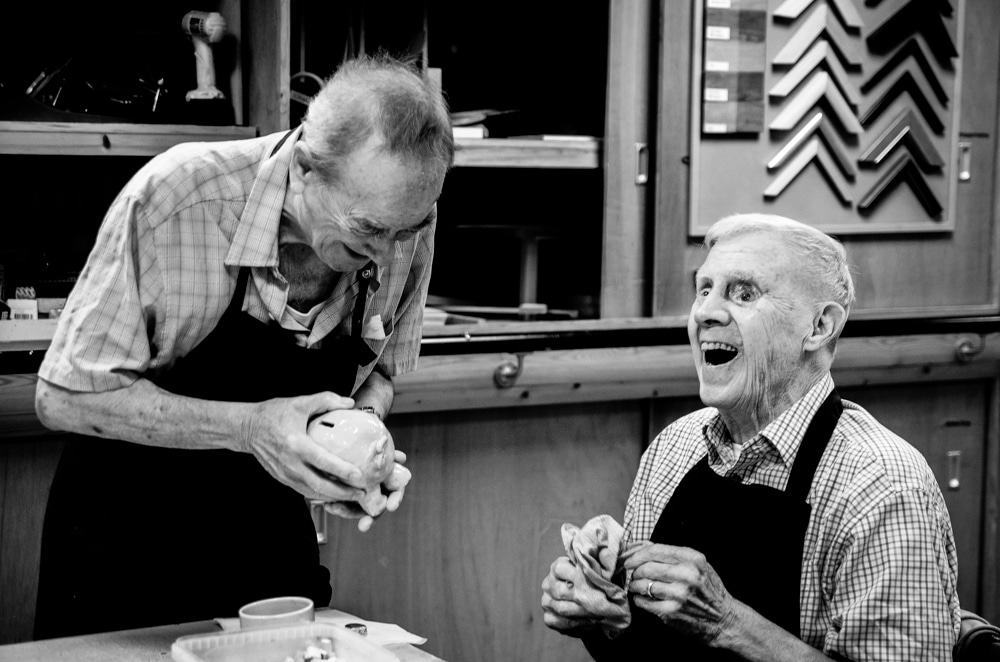
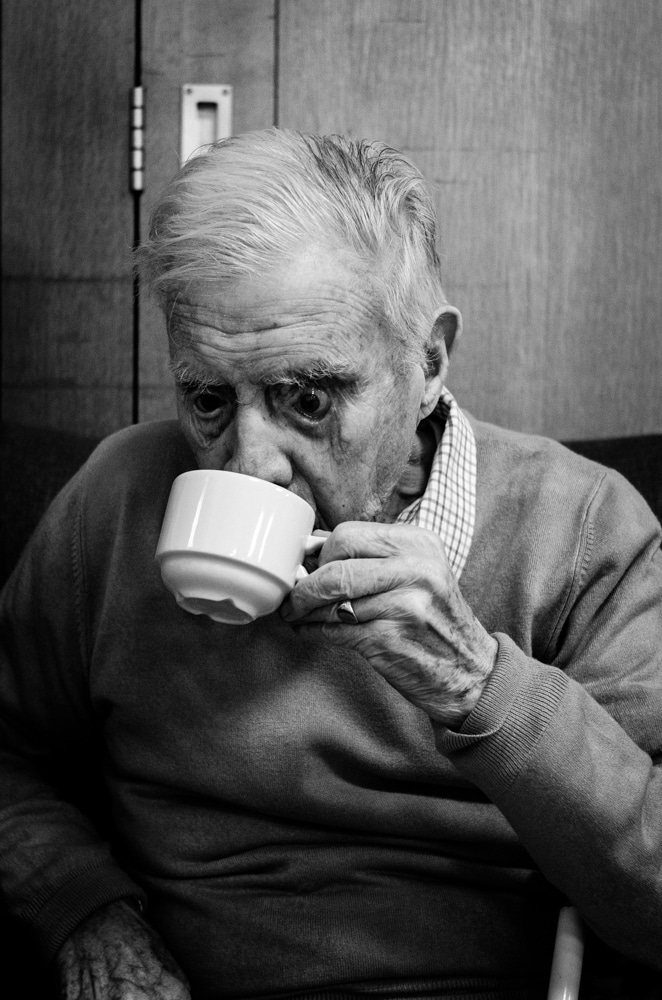
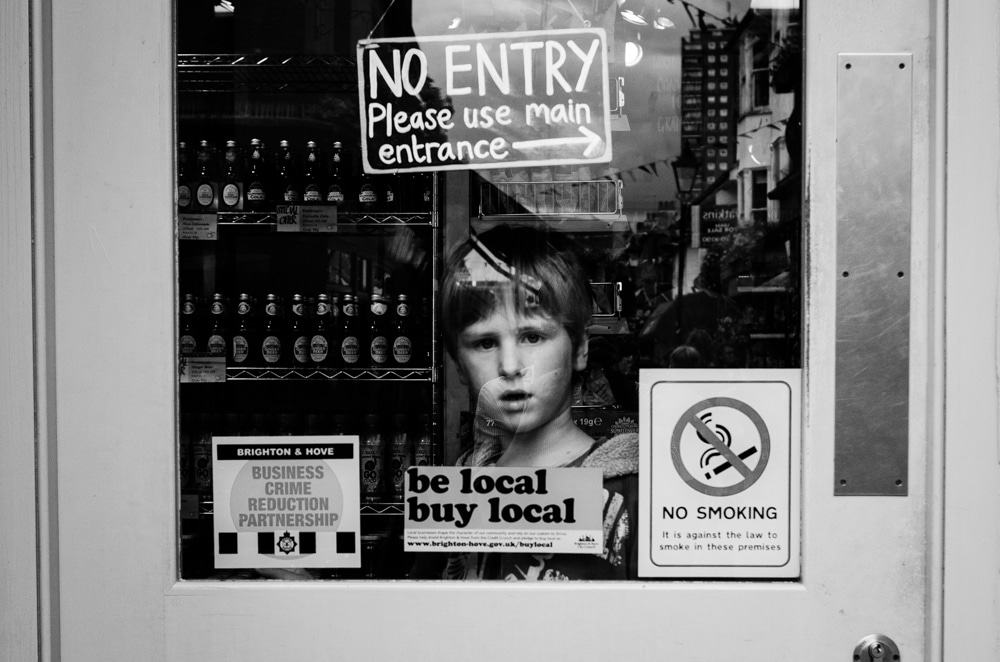
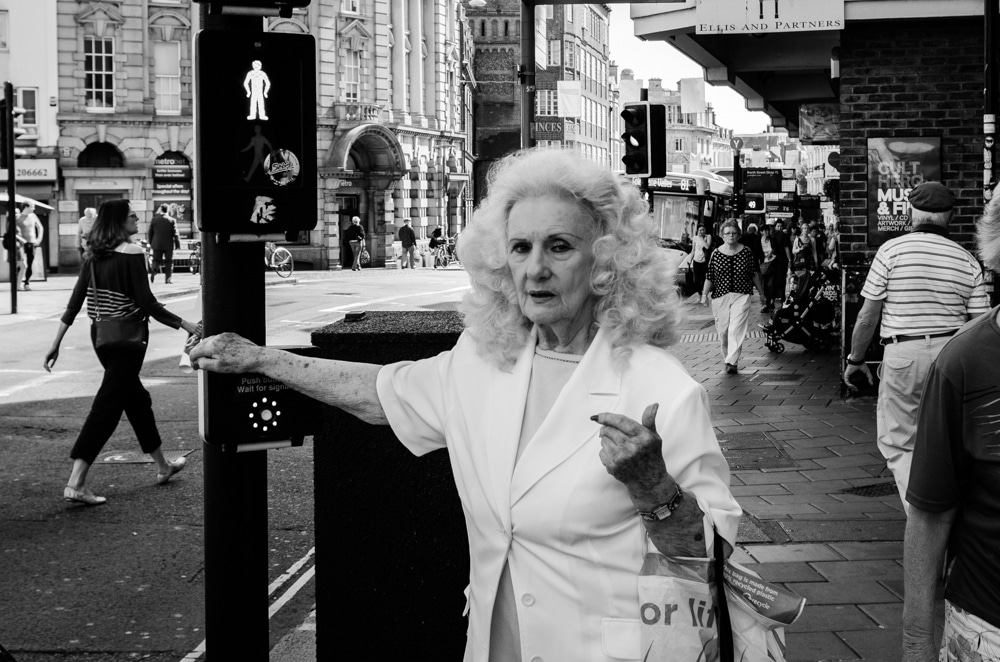
Thanks to my previous interviews with documentary photographers Jim Mortram and Brant Slomovic, I “met” Darren Baldwin, a documentary photographer based in Brighton, United Kingdom. In addition to being a documentary photographer, he is a pediatric nurse and a design director for a few websites. Follow Darren on Twitter: @BWDdrj

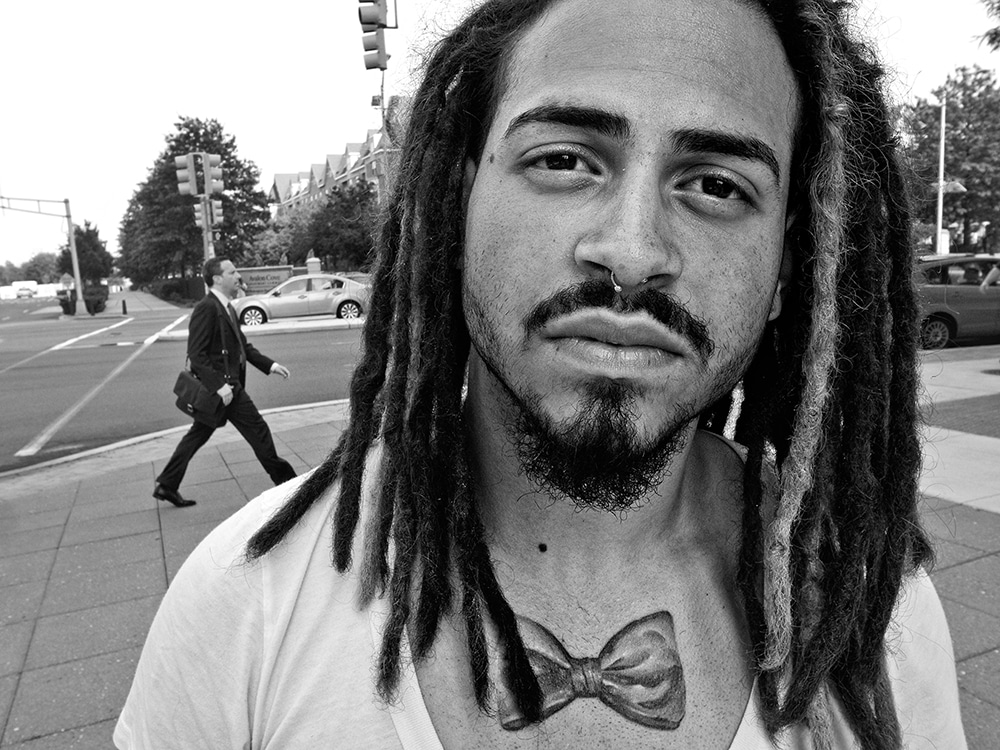
Darren Baldwin | Documentary Photographer

1) So, tell us a little about how you got your start in documentary photography. Is it an off-shoot from being a street photographer? What draws you to this particular genre of photography?

My dad is a videographer by trade, but has always been an avid and passionate photographer; he was one of my earliest visual influences. Interestingly, I recently found out my estranged grandfather (whom I never met) was a popular street portraiture photographer – it would appear that the apple never falls far from the tree; even if you never sat beside it!

In my teens I’d go out with one of my friends and take pictures using my father’s camera; I dragged all his darkroom equipment down from the attic and we’d spend hours developing images in my little dark room in the garage, taking time to mess around with developing times and trying effects (often with rather less than successful outcomes!).

It wasn’t until I met my partner Carrie that my passion for photography really became apparent again. When we formed DIGITAL bungalow, Kitchen Bitching and live.love.space. photography became a way of life. We’re really passionate about strong imagery on the sites, and as Carrie is the wordsmith it naturally fell to me to provide suitably beautiful images to accompany her words.

Whilst I have dabbled with landscape, product, macro, band, sports etc, my interest in street portraiture came about by chance the day that I discovered Vivian Maier. Everything changed when I realised that landscapes, seascapes, traditional portraits and conventional concepts of beauty just didn’t excite me. I found more beauty in Maier’s work than in anything I’d seen before; and I wanted to see if I could capture the same unexpected human essence that Maier did. I also went back to books I’d previously read, Araki’s ‘Lucky Hole’, ‘Radical Eye’ by Miron Zownir, ‘Im Auftrag’ by Snowdon and ‘The Seven Ages of Man’ from Hulton Getty. These small developments steered me into a ‘documentary’ style of photography.

2) You are now the second in this series of interviews who has an affiliation with the health industry. Is there anything in particular that makes you better documentary photographer because of your medical training?

That’s true. Brant Slomovic being the first! I agree with Brant in that I see the two ‘as completely separate existences’. However, after 10 years in adult emergency and 3 in paediatric emergency, you get a feel for situations and how they’re going to develop which is a good skill for street photography. I deal with conflict, anxiety, anger, sadness and happiness when I am at work, so I definitely think that helps. However, that doesn’t make you take better photographs, and nor does the camera you’re using.

3) In addition to being a pediatric nurse (what is a & e?), you are the design director at DIGITAL Bungalow, Kitchen Bitching and Live Love Space. First, how the heck do you find the time to juggle all that and secondly, how do your design sensibilities inform your documentary approach?

A&E is the UK equivalent to your emergency rooms (Accident and Emergency).

My partner Carrie is a writer and workaholic, very driven and always moving forward. I like that, it kicks me up the backside and gets me moving too. So we started DIGITAL bungalow it quickly became something much bigger than we anticipated, then Carrie wanted to start another, and another, and another! As Design Director I oversee the sites, and deal with any design requirements the team might need. Carrie now runs DIGITAL bungalow Editorial Agency – so there’s plenty of design work to be done for her clients too. How do I fit it all in? Well … the revolution will not be televised.

I studied graphic design when I left school and get a lot of my creative sensibilities from my father which filter down into my photography, definitely. While I photograph a lot of people I also like, structure, form, architecture and symmetry. As a photographer I’m not one for setting up shots. I don’t overthink it – I just shoot and let the subjects do all the talking.

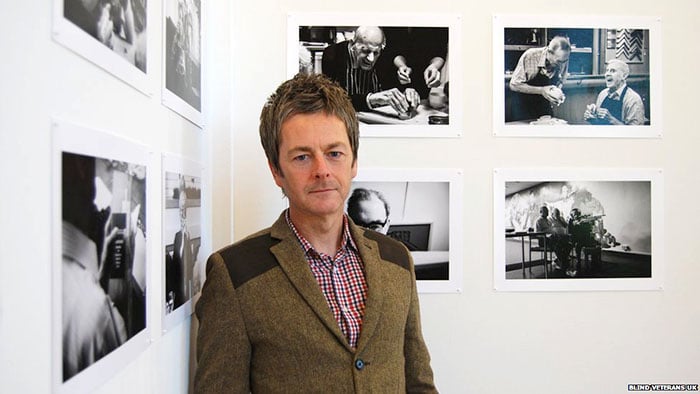
4) How and perhaps why were you so interested in photographing blind veterans? How did you get your start in that project?

Following my documentary series that captured the London Road area of Brighton and its inhabitants, I wanted to work on a new project that further challenged peoples’ perceptions of usual stereotypes.

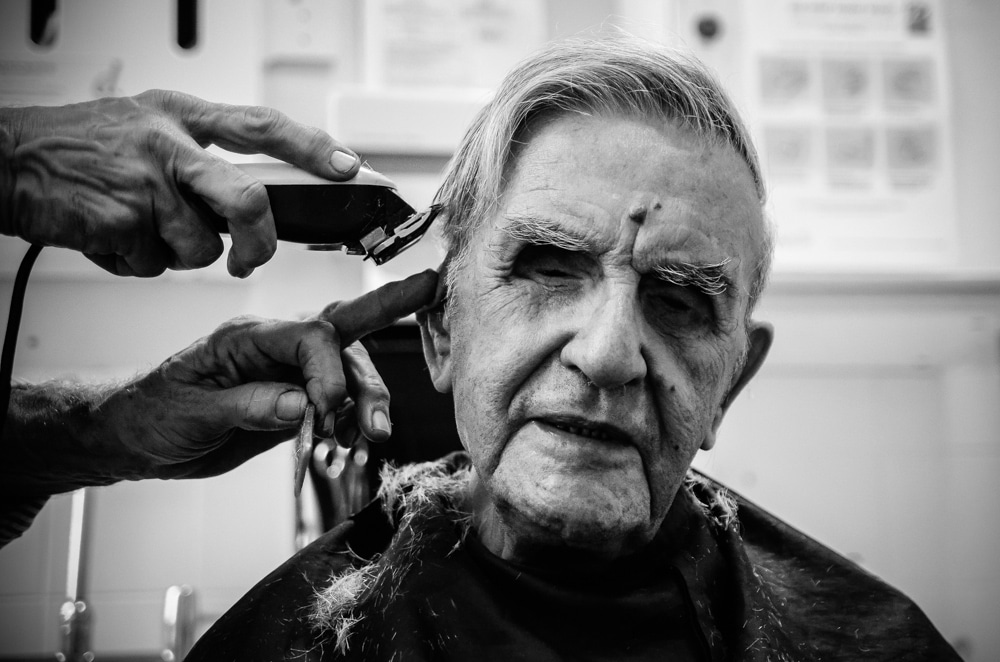
The initial idea behind the Blind Veterans project was to challenge the the stereotype of a “hero”. I wanted to collect images that defy the clichéd young, muscular, bare-chested hero; instead allowing the viewer to recognise for themselves the once pivotal role of these now frail individuals. My subjects' lack of sight mirrors the way that society sometimes fails to “see” the elderly, or truly appreciate the influence their actions had
on the world of relative peace we are so lucky to live in today.

Darren Baldwin | Documentary Photographer

Darren Baldwin | Documentary Photographer

Darren Baldwin | Documentary Photographer

Darren Baldwin | Documentary Photographer

Darren Baldwin | Documentary Photographer

Darren Baldwin | Documentary Photographer

Darren Baldwin | Documentary Photographer

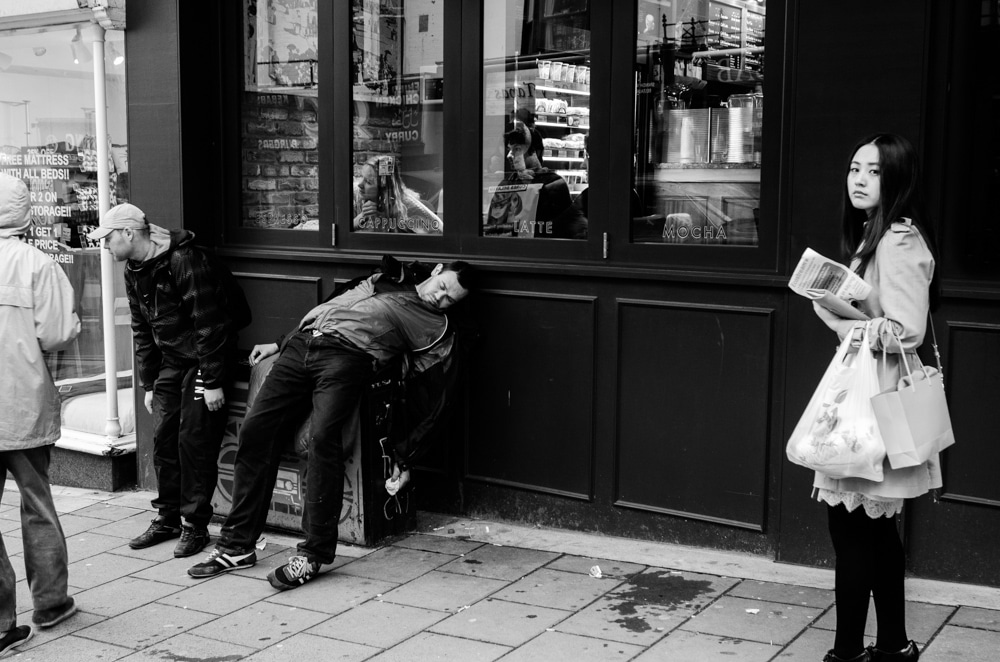
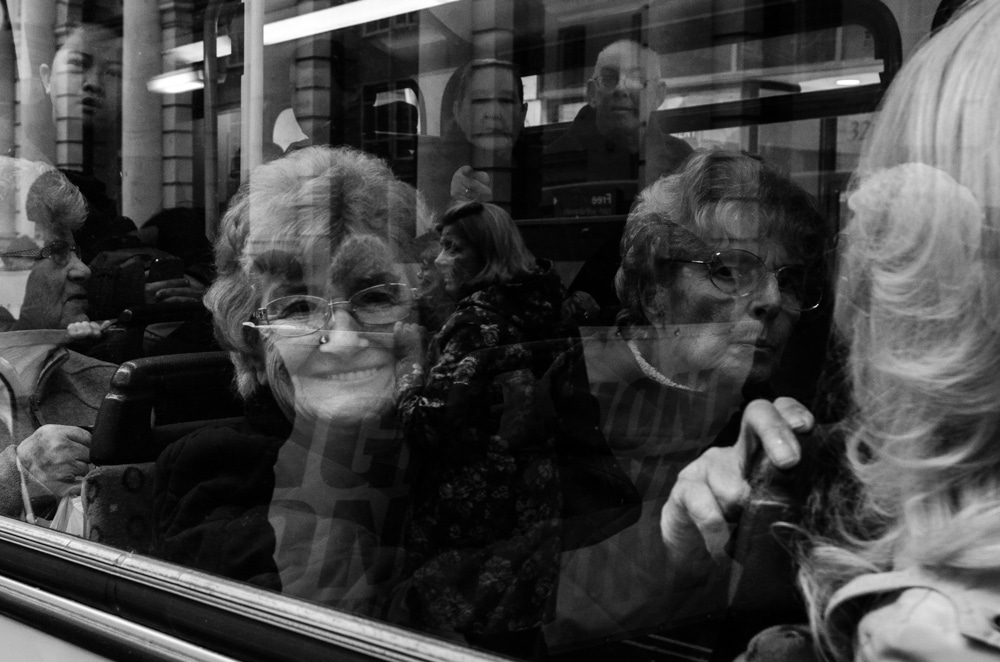
5) There is a certain aloofness in the subjects you photograph. If first impressions count, the one word that came to mind when I viewed your images is – “isolation” – am I right in assuming you are fascinated by how people are part of a community but still remain apart or isolated?

Absolutely. I do have a fascination with that aspect of our lives. We’re all so damn busy but there are people who can seem very alone. That’s not to say they’re unhappy – I believe there are many more facets to isolation than simple, abject misery. Contemplation, meditation, introversion … all these things can come from or lead to isolation. I’m interested in capturing both quiet moments – almost the pauses in between breaths – and diminutive moment when subjects see the lens. I love to wonder what it is they’re thinking – the multifaceted nature of the human psyche fascinates me – as it does many other people!

6) With very few exceptions, your recent work is all black and white. Why is that?

I just really like black and white. I love the deep contrasts. I like dark images. You don’t get tangled up in the colour.

Not everything works well in black and white, of course – and I love colour street work from people such as Matt Stuart, Justin Sainsbury, and Paul Russell. I am definitely influenced by Maier and Arbus’ work, but both my dad and grandfather worked in B&W, so who knows, maybe it’s in the genes.

7) Brighton, UK, where you live is a popular destination for tourists. Are your images mostly of them?

No.

8) Your images now live on Flickr. How helpful has Flickr been to attract you clients interested and willing to support your documentary projects?

I use Flickr because I’d rather spend time taking photos than building a website to house them.

When it comes to working with new people, new projects and potential backers – I like good old-fashioned word of mouth. I want my images to do the talking. It’s great if someone stumbles across you – but the internet is an immense space – I’m not expecting a “stumbler” to commission me for a massive project any time soon. Flickr serves as a quick and easy gallery – a convenient way of people seeing what my work is about. Hopefully people will see my work, and want to talk about it – and we’ll take it from there.

9) Other than Twitter, where you are quite active, and Flickr, where your images are hosted, do you use any other social media channel to market your work? Tell us about it.

Apart from Twitter and Flickr I have a facebook page. That’s it. No tumblr, no 500px, no Google+ nothing else. I don’t see the point in constantly repeating myself!

10) You mentioned that a new website is in the works. Care to tell us what the domain url will be and when we can expect to see it go live?

At the moment I’m so busy with projects that a website will just have to wait – it would be fantastic to have a proper online showcase but, as I said, for me it’s personal relationships that build really positive projects.

Do you know of other documentary photographers I should interview? Why not put them in touch with me? Simply direct them to this website! Thank you.

Filed Under: Documentary, Interviews, Photography Tagged With: Baldwin, Darren, Documentary Photographer, documentary photographers, documentary photography, street photographer

Portrait Photographers, Respect Thy Client’s Wishes … Or Not

May 24, 2013 by Rachel Brenke

Rachel Brenke is the lawyer & photographer owner of The Law Tog, a site is dedicated to providing legal, marketing and biz advice to photography businesses with maximum efficiency and results. Through business consulting services and her published book “The Laundry List: A Mother's Guide to Balancing Family and Business,” Rachel provides guidance in practical ways for photography business owners to succeed. Check out Rachel's Facebook page.

The phrase “the client is always right” just may be going out the window as more of society seeks to push the boundaries of what they can ‘get’ for their money. As business owners we have to balance customer service and standing-our-ground to protect our business.

This balancing act can be tiring and have detrimental results if not handled correctly. However, a major client concern that carries a legitimate argument revolves around the publication of minors on the Internet. In this digital age there is a very real worry for parents as photographs are placed on the World Wide Web with little to no control over who views or possesses these photographs. Despite photographers taking measures to watermark and right-click-disable their websites, intellectual property thieves and child predators possess tools to get around these precautions.

As a portrait photographer having a portfolio is a necessity but the question to ask is … at what cost? On the flipside, why shoot if you’re not going to be able to share that session and gain new clients? This situation puts photographers between a rock and a legal place.

Whenever a photography session takes place that is a private contractual relationship and the intention is to use the pictures on website, portfolio, studio samples or any other marketing avenues the photographer should obtain a signed model release. Unless it is otherwise written in the contract in similar language, if the photographer does not obtain a signed model release the photographer is unable to use the photographs for marketing or portfolio use until such release is obtained.

It is always best practice to get it before hand. In this case, with clients insisting on not publishing photographs of minor children on the Internet, it is important for the photographer to balance potential word of mouth against whether it is worth turning down the session due to the inability to use the photographs publicly.

#1 Eliminate Model Releases – No Questions Asked

Yes, photographers need portfolios, however, at what cost? This is a personal business decision each photographer will have to make. A good rule would be to err on the side of the client’s wishes, as they are legitimate concerns, honor the elimination of a model release to inspire future word of mouth clientele.

#2 Charge More For A Session Without A Model Release

An alternative would be too charge more for sessions that are not accompanied with a signed model release to compensate the photographer for potential lost marketing that could have occurred with the publication of the photographs.

#3 Written Agreement To Not Divulge Names, Faces Or A Combination Of Both Names & Faces

The last option is a middle-of-the-road that requires an amendment to the model release by agreeing in writing to not divulge identifiers such as names, faces, personal characteritistics or a combination of the above. This can be partnered with a discretionary fee to the client or not.

Bet you thought I’d give you the be-all and end-all answer, huh? Sorry.

This is something that each photography business owner has to weigh and determine what is best for their clients and business. These are just few of the options available to photographers that can respect the client’s wishes, photographer’s or both.

Feel free to leave in comments any other ways you have found to successfully navigate this precarious area of client management and the law!

“If the photographer does not obtain a signed model release the photographer is unable to use the photographs for marketing or portfolio use until such release is obtained.”

Learn more about the model releases Rachel offers on her website here.

Filed Under: Marketing, Photography Tagged With: clients, Marketing, Model Release, Photographers, portrait photographers

Does Your Photography Website Convert Traffic And Make You Money?

May 23, 2013 by Seshu | Editor & Publisher

Are you converting your website's visitor's to paying customers? It's a really simple question isn't it?

Your answer can either be “yes” or you can say “no.” Those are your only options. If it's the former, good on you friend. You've cracked the code and your rolling in it.

Or, are you?

I just shuttered two websites that weren't converting to my satisfaction. The business still exists but the sites are gone. Why? What happened?

Simple: The websites spoke to me more than they spoke to my clients. This is a cardinal mistake that most photographers make. They spend a good deal of money and time making a site look pretty, not fully understanding that their potential clients who are ready to pay them for your services are not interested in any of that fluff.

So, what IS important for your clients? That's in fact the process of discovery I'm personally embarked on now thanks to Portfolio To Profit Engine: How To Build An Absolutely Irresistible Photography Website [aff], by Psychology For Photographers.

Portfolio To Profit Engine: How To Build An Absolutely Irresistible Photography Website

You are probably thinking why make such a fuss, right? These days it is so easy to buy a template, slap some images down and start a blog (which some people like me don't update very regularly). Yes, there is nothing to it if you want to do it the wrong way.

The right way takes a bit of elbow grease. Jenika, who publishes Psychology For Photographers, includes what are called “dreamsheets” (as opposed to worksheets) that nudge you along. Complete these and you'll be astonished at what your website should really look and feel like for your clients.

You may want to read that last sentence again.

Done? Good.

If you are truly in service of your clients, shouldn't your website reflect that from the first time your client connects with you and your work? I personally think Portfolio To Profit Engine: How To Build An Absolutely Irresistible Photography Website is a boon for photographers. If you are struggling with your business and you aren't attracting the “right” clients, it may be time to reassess how your website is resonating with your future clients. If it isn't, and I would say 95% of them do not, then it's time to fix it.

And you can do it yourself. This is more about understanding your client's perspective than working with web technology. This e-book will help you quickly tap into your client's needs and desires and guide you into delivering what they want in their lives. Far from being mumbo jumbo, Jenika who is a graduate from Yale delivers from a deep well of behavioral neuroscience. Simply put, she understands how our brains work.

Now, I am going to keep you all abreast of my progress with this, but between now and Saturday, Jenika has dropped the price from $159 to $119.

UPDATE: Jenika has extended the sale through Monday, May 27th, so here is your 2nd chance at grabbing this product

If I were you, I would not wait to grab it now. Get all the details about this e-book here: Portfolio To Profit Engine: How To Build An Absolutely Irresistible Photography Website.
Filed Under: Photography, Web/Tech Tagged With: Convert, photography website, traffic

3 Marketing Ideas For Senior Portrait Photographers

May 22, 2013 by Jen Basford

Jen Basford is the owner of Seniors Ignite, an organization dedicated to providing next-level senior portrait photography education to photographers to help them grow their business. She also owns 3 girls photography in Edmond, Oklahoma. She is best known for fashion-inspired high school senior portraits and the annual must-see fashion show she puts on for upcoming seniors each spring. Jen is one of the top senior portrait photographers in the Midwest largely due to her out-of-the-box approach to marketing and client relationships. Follow Jen on Twitter.

3 Girls Senior Models | Jen Basford

Let's face it – things have CHANGED in the senior portrait industry. It wasn't all that long ago that you could gather some cool images, pair them with a great special, give out your number and the phone would start ringing. Your senior season would be half full before you knew it, with clients booking out months in advance.

But that doesn't work anymore. That's right, I said it. THAT DOESN'T WORK ANYMORE.

So you've got two choices here – you can either get mad and argue with me about that fact, or you can change your tactics and put together a marketing plan aimed at your target market. In order to move forward you must first change your OUTLOOK before you can change the OUTCOME. And if you're not ready to do that then stop reading right here. You can come back to this post when you're ready to move forward with a positive attitude.

When the phone stops ringing, and when your books aren't full, it's tempting to panic and react immediately by trying to push your services onto the market. “50% off sale!” “Book now!” “Discount sessions available!” But this only confuses your client base and hurts your brand. It is also a turn-off to your audience.

So what SHOULD you do then? You need clients in order to get sales, so how do you get the phone to ring?

1) Go Backwards Instead Of Forwards

This sounds counterintuitive, but it actually works. If you haven't already done so, sign up for an account with Sticky Albums – these custom mobile apps are one of the best and least expensive marketing tools on the planet. Then make a list of all your best senior clients (and by ‘best' I mean those that love you and love what you do, regardless of what they spent).

Create a Sticky Album with the images from their session – customized with your studio branding – and put a value-added time-sensitive call to action at the end of the album. Send these custom apps to your senior clients and let them know they can share them with all of their friends. Do this with your upcoming senior models as well.

Create value-added incentives for your clients to share these apps, and watch the marketing go viral. This is a great non-pushy way to get in front of your target market and give them a reason to book!

3 Girls Senior Models | Jen Basford

2) Blog

Update your blog with images of your current work. But be careful – it's tempting to post images of everyone and everything, but this is where you can separate yourself from the competition. Show only your best work, and show only the types of images you want to shoot. If you don't particularly like shooting sessions outdoors, then don't show outdoor images.

Create a blog schedule and post regularly on your blog, and talk about the sessions, the people, and the experiences that make you different. Include some posts about businesses in your community where you recommend your clients shop, and then send an email to those businesses with a link to your blog post.

Extend your reach, and create a relationship with your target clients. People want to be associated with success, and this can help make you look busy and in demand while establishing you as the senior portrait expert in your community.

3 Girls Senior Models | Jen Basford

3) Get Out And Be Seen

Attend all of the events at your target high schools – sporting events, drama productions, auctions, charity fundraisers, performances, etc. Bring your camera and take candid photographs of the kids having fun (with permission from the school or organizers, of course). Pass out cards with your blog or facebook page URL, and let everyone know that you will post the images online for them to see, share, and tag themselves. Build your name and a relationship with your target market and you will increase trust with your audience. This gives you a platform with which to market your senior business in a way that is real and genuine.

Want more ideas for low cost marketing that will grow your senior business? Check out this FREE guide from Seniors Ignite and let us help you book more clients year round.

3 Girls Senior Models | Jen Basford

Filed Under: Marketing, Photography, Photography Business Tagged With: blog, jen basford, portrait photography, School Seniors, Senior Models, Senior Portrait, Senior Portrait Photographers, Senior Portrait Photography

Pricing Perfection: A Video Series By Joy Vertz

May 21, 2013 by Joy Vertz

Joy Vertz, Milwaukee WI, is a photographer who is passionate about the business side. Having started in her basement in 2003 and now running two profitable studios, she has seen (and learned) a lot about what it takes to run a successful, smooth operation. She routinely blogs and educates about pricing, marketing, workflow and process. Joy holds a degree in Studio Art from Lawrence University. Follow Joy on Instagram & Twitter: @joyvertz

In my 10 years in business, one of the most frequently received questions is not about photography at all, it is about pricing. And photographers tend to struggle with pricing because let's face it: Numbers don't come naturally to artists. This is the most common pain that photographers feel in their business because pricing causes stress, confusion for clients, and sometimes even business failure. Pricing your photography is a big deal – and it is something that can make or break a company.

That's why, when I was looking through some “how-to” material recently and saw the following advice, it got my attention immediately…not in a good way:

“Do research on your competition: What are the other photographers in your area charging? Evaluate them and their price lists and see how your work rates in comparison to theirs. Key factors in this comparison can include customer service, image quality, and overall professionalism.”

Now that I've fought my battles in the pricing war (and have some hard-won experience and confidence on my side), it's a lot easier to see why advice like that is such a trap. It's asking you to find your value by looking at what everyone else does. Let's look at some reasons why, although it might seem like a good idea, it really isn't.

First, every business is unique and their price list will reflect their individuality. There's no way to completely know all of the reasons someone else chose their pricing and whether those choices were made on solid business experiences and practices. For all you know, they might have been guessing or worse yet, copying their competition.

Second, do you have any interest in going back every six months to revisit your competitors pricing? I can't think of a more miserable, thankless task than that.

Lastly, you have no idea if they are profitable or struggling. They might be taking huge losses or only be in business for the tax perks, so they're ok with clearing less than minimum wage per sale. Here again, you'll never have the complete story.

Bottom line: finding the right route for your business means focusing on YOUR business, not any others. It's much more useful and rewarding to get reliable information about what you're doing than unreliable information about other shops. Plus, your business deserves your time more than they do.

A great first step that you can take would be to give up the bad habit of constantly sizing up the competition. To learn more about pricing for profit please join me in a 4-part Free Video series http://www.howtopricephotos.com.

Joy Vertz | Pricing Perfection Video Series

Filed Under: Photography Business Tagged With: Joy Vertz, Perfection, Pricing For Profit, Pricing Strategies, Video Series

An Interview With Documentary Photographer Brant Slomovic

May 16, 2013 by Seshu | Editor & Publisher

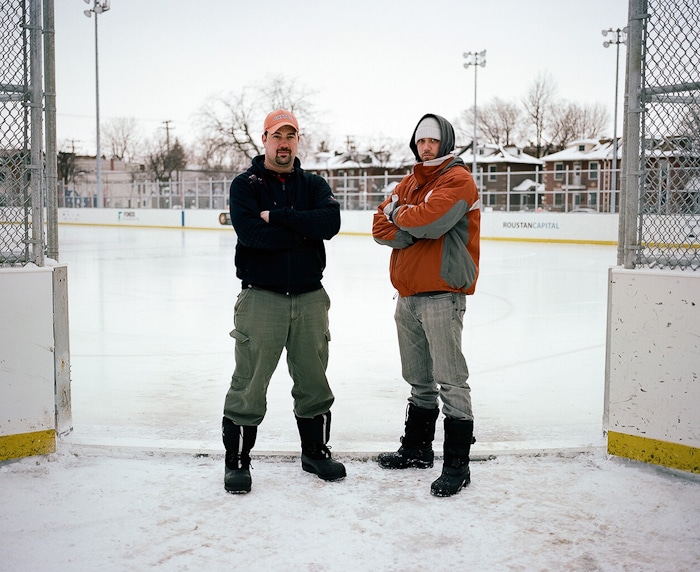
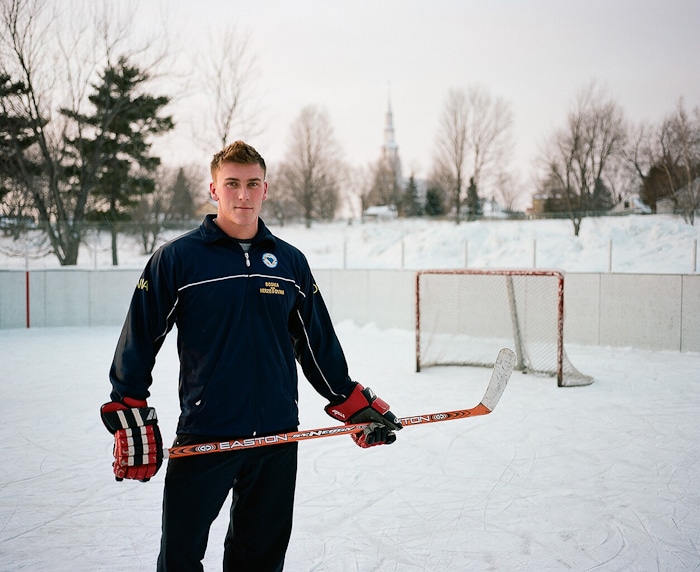
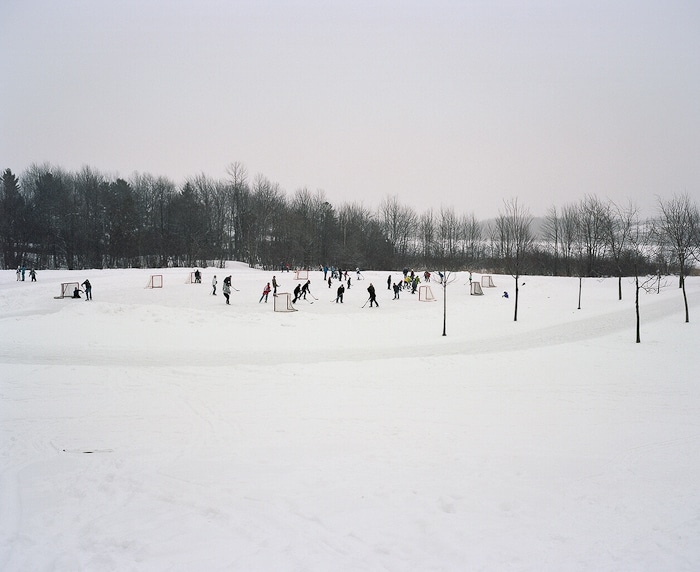
Brant Slomovic is a documentary photography based in Toronto. He was recently featured as a Contender in the 2012 Hey, Hot Shot! International Photography Competition and in the Collection at Flak Photo. His current personal projects include Shinny, which details the ubiquity of shinny Hockey in Canadian culture, and Puja, which explores daily rituals of spirituality in Indian life. Please follow Brant on Twitter.

Documentary Photographer Brant Slomovic | Shinny

1) You became a documentary photographer after pursuing emergency medicine. First what motivated you to change tracks? And, secondly, what was it in your training as a medic prepared you the most to be a documentary photographer?

Those are great questions, but to clarify, I was a photographer long before I even considered becoming a physician. So it wasn’t really changing tracks from one métier to another, as much as it was rediscovering of a need to make photographs and tell stories. I had abandoned photography when I entered university. By the time I finished my specialty training in emergency medicine this deep desire to express myself through images re­emerged. It was unstoppable.

I think of the two ­- medicine and photography ­- as completely separate existences. I’m keenly aware of the potential for conflicts of interests to arise, because I am a photographer and at the same time a physician. So the choice not to cross paths is deliberate. Perhaps one day I will find a way to approach a subject and bring the two together­; the insight and empathy that my training as a physician has developed and photo making.

2) If I was to describe the images on your website, I would use the words: “quiet” or “deliberate” ­ do you agree? Where did you acquire this sense of rhythm in your images?

I do agree, it’s a very fair statement. I search out these moments. On one hand its a reflection of an esthetic that I’m looking for. On the other, it gets back to your first question, about the relationship between practicing medicine and making images. As a result of the inherent chaotic environment of the emergency department, I look for the opposite when I am engaged with the other elements of my life. It's about finding a balance for me personally.

3) So many interviews I have heard or read focus on the process. I am interested in your intention. The projects you have embarked on ­ Shinny and Puja ­ couldn't be more disparate. Can you tell us what it is about each that you are drawn to?

Both the Shinny project and the Puja work emanate from very personal places. My long term projects have to come from something that stirs within, whether it be a deep curiosity or something I am already connected to and passionate about.

Shinny is about my love of hockey and the place it has in Canadian culture and art. As a Montrealer, having grown up during the heyday of the 70’s, it would be impossible not to be passionate about this subject. I see shinny as a deeply unifying Canadian experience, shared by a huge spectrum of people, from elite professional athletes to new immigrants. The initial inspiration began with the paintings of great Quebec artists like Terry Tomalty and John Little, who have established a tradition of painting hockey scenes. I thought “no one is doing this kind of work with photographs”.

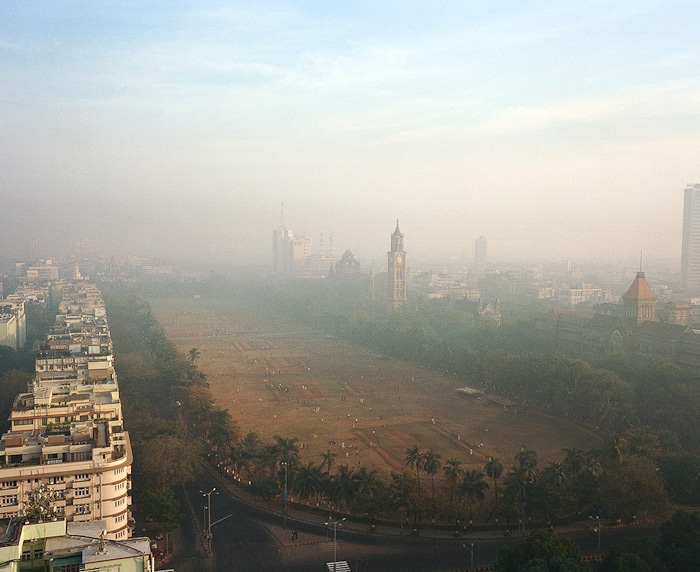
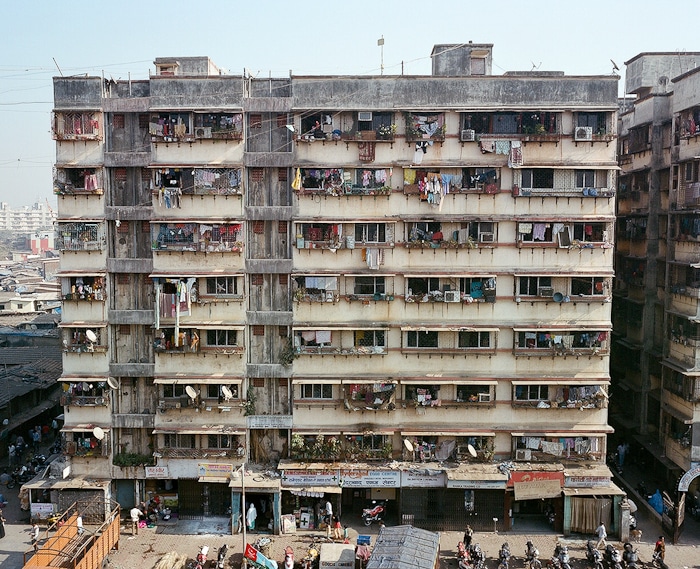
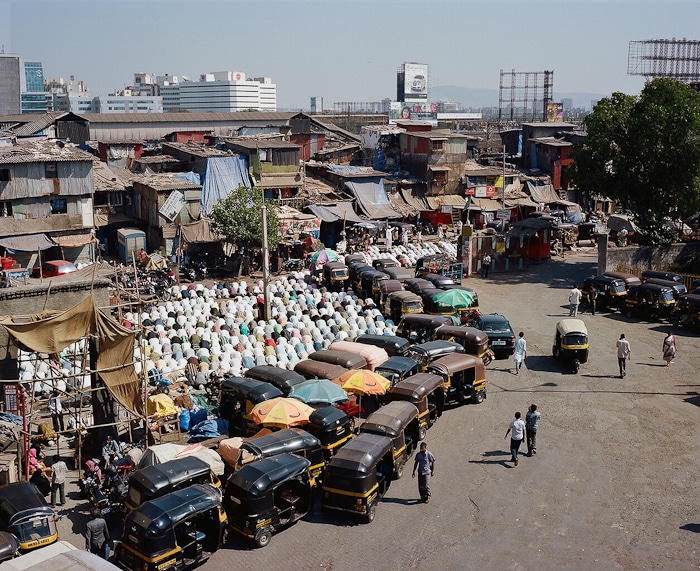
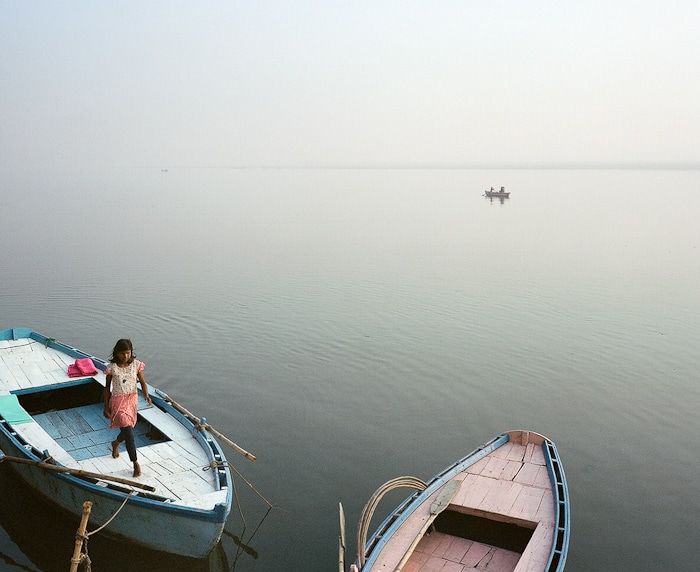
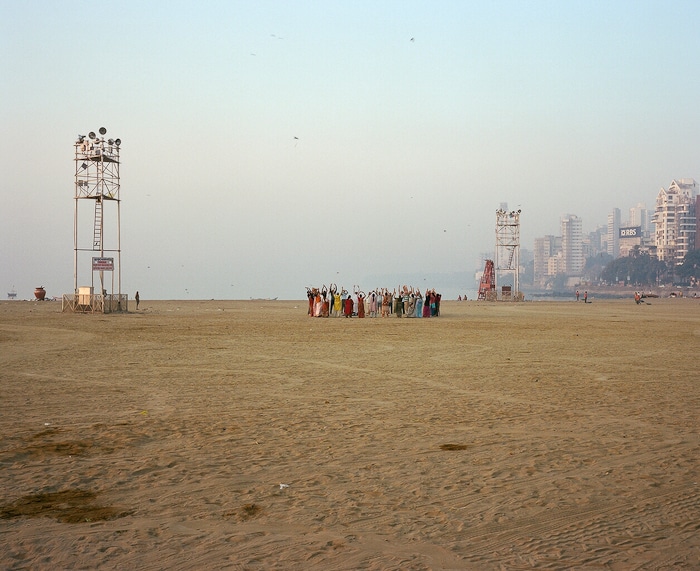
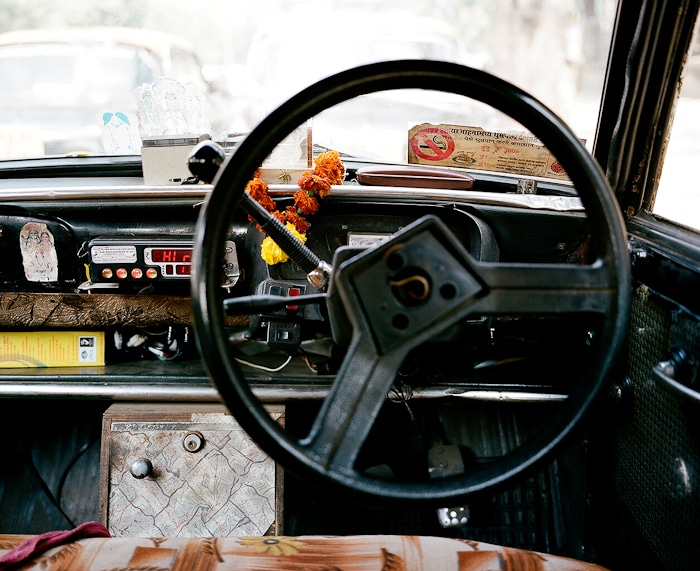
The Puja project is also highly personal. My wife was born and raised in Bombay. So my attraction to this work began with my discovery of her and where she came from. I am fascinated by the intertwining of cultures in India, how the lines of distinction are blurred, and by this sense of unification through diversity. The ritual of puja is a beautiful expression of devotion and I love that it can exist in public spaces and that it’s interpretation is limitless. Puja can be a specific religious act as much as it can be about the way in which one travels to work or performs mundane daily activities.

4) Around 1984, when you graduated from high school, you tasted your first big win in an art competition. How important is it for you to enter contests? How do you select which ones to enter? And, lastly how do you edit your images and select your personal “winners”?

To be honest, contests, per se, are not very important to me. The recognition is of course nice and there is certainly a role for them in the advancement of one’s work. At this point I am concentrating on building the strongest body of work that I can and on developing new projects. But hey, if you’re interested in nominating me for anything, I’ll accept graciously.

Editing is always a challenge. First, I take time away from the images and the experiences. I need the separation physically and emotionally; the space to gain objectivity. Then I enlist the eyes of a few trusted friends. The personal winners communicate emotion and that impact stands the test of time.

5) Tell us a little bit about your sense of awareness of when an image should be made.

A large part has to do with the preparation before you even show up. Developing a clear idea and intention, researching, immersing in one’s subject. Then, for me, its about being as present an open minded as possible. Looking and often waiting for specific moments but having the awareness to let things happen as well.

Documentary Photographer Brant Slomovic

Documentary Photographer Brant Slomovic

Documentary Photographer Brant Slomovic

Documentary Photographer Brant Slomovic

Documentary Photographer Brant Slomovic

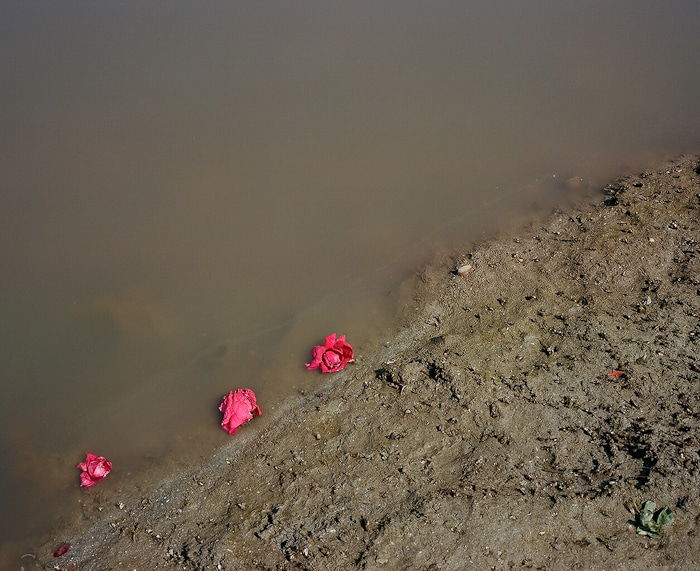
6) When I came across image #14 in your “PUJA” series, it stopped me in my tracks. Can you tell us about why that image was made and what its significance is?

That image was made because it was there. The significance is that for me the image is a reflection of India, in it’s totality. It is a literal and perhaps slightly cliché representation of the contrasts that personify India. I was also attracted to the scene because it made me wonder about the story of those roses ­where and by whom were they made, what was their purpose and in what kind of ceremony were they used. And finally, what was their journey and how did they end up adrift in murky waters.

7) I have to ask you about the form factor of your gear. What are you using? Are you shooting film or is all of your work now digital?

The majority of my work, and specifically the two projects we have been discussing, are shot on medium format film.

8) Whether it's “PUJA”, “SHINNY”, “GLENGARRY” or “PAAN”, I get the sense that you are most interested in how humans inhabit their spaces. True? Is distilling it to that even fair?

It is fair. There is certainly an element of that in my work. For a while, I wanted to make images devoid of people. It was just something that made sense and felt natural at a specific time in my evolution. When I was editing my first show, Glengarry, I realized that I couldn’t fully tell the story I wanted to tell without including the human element in the edit. From that point forward it has been something I strive for­ – how people fit into the narrative. I think of the work of Simon Roberts and Massimo Vitale as great examples of this.

9) Personal projects are never ever finished as they go on and on. Do you find yourself finding a point to stop and say that you've got it all and you move on to the next project?

Ha! Well I thought so. But recently I was encouraged by one of my mentors to return to a project I thought I had closure on. I’m considering it, but haven’t gone back to it, yet. I think some will inherently come to an end, either when I feel a sense of satisfied completion or simply exhaustion. With Shinny, I’ve just begun to scratch the surface and I’m excited for it to carry on for a long time.

10) Are you represented by an agency or a gallery? How would one go about buying one of your prints?

At this time, I do not have representation. Buying prints can be done through the contact link on my website, www.brantslomovic.com. Thank you Seshu. It’s been a real pleasure.

Know of other documentary photographers like Brant or Jim Mortram pursuing projects that they are ready to show and share with the world? Send them my way. I would love to highlight their efforts and interview them.

Filed Under: Uncategorized Tagged With: Brant Slomovic, Documentary Photographer, documentary photography, interview, project

  • « Previous Page
  • 1
  • …
  • 30
  • 31
  • 32
  • 33
  • 34
  • …
  • 198
  • Next Page »

Subscribe To Tiffibox Treats!

Looking for a well-curated email newsletter that will leave you inspired and motivated about your photography business? Sign up below!

About Seshu

Seshu creates relaxed portraits of families and high school seniors in Avon, Connecticut. He also leads a successful headshot photography studio in Connecticut, helping professionals from a variety of disciplines project the very best versions of themselves. He created Tiffinbox as a way of inspiring photographers, to create better images and successful businesses. [Read More]

Email Templates For Headshot Photographers

Email Templates for Headshot Photographers

Recent Posts

  • How Capture One Changed My Event Photography
  • 10 Steps To Stay Positive In Times Of Great Stress
  • Why You Need To Read “Personal Branding For Photographers” Now
  • How To Master Your Website Content Step By Step?
  • Tony Taafe’s TNT Method For Headshot Photographers

Recent Comments

  • Stephen Davison on Are You A Business Owner Who Is Smart, But Stuck?
  • Ben A. on Don Giannatti Clinches The 8th Annual Tiffinbox Award
  • Dan on Don Giannatti Clinches The 8th Annual Tiffinbox Award
  • Donald Giannatti on Don Giannatti Clinches The 8th Annual Tiffinbox Award
  • Stephen Davison on G.E. Masana’s 6 Strategies For Wedding Photography Success
  • Naveen Kumar on Weddings In India Are More Than Being At The Right Place And At The Right Time
  • kartick on Weddings In India Are More Than Being At The Right Place And At The Right Time
  • Leonid Farbman on 6 Uncommon Trends To Grow Your Photography Business
  • Willow and Finch Wedding Photography on 11 Reception Tips To Help Your Wedding Photography
  • Web Designer Malaysia on How To Optimize Your Squarespace Website For Search Engines
  • Creastan on An Interview With Photojournalist G.M.B. Akash
  • Cindy Brown | Atlanta on An Open Letter To A Local Photographer

Become a Patron!

Copyright © 2026 · Tiffinbox · Site Design by Heather Mackan Creative · Built on Genesis