• Photography
  • Interviews
  • Business
  • Reviews

Tiffinbox

Inspiring Photographers

  • Home
  • About
  • Blog
  • Contact

What To Look For When Getting a Custom Website

June 15, 2014 by William Bay

The Web has become an infinitely complex place to bring your business to. A few years back, the WWW could have stood for Wild Wild West instead of World Wide Web. People easily put up Flash-based websites that did cool “things,” proper HTML was forsaken in the attempt to make sites pretty, but these attempts were workarounds and left the realm of solid web development.

Thankfully, albeit gradually, order came in form of thing like: Web Standards, CSS, Search Engine Optimization and Google Best Practices. And of course we can praise Steve Jobs for driving the last nail into Flash’s coffin with the creation of the iPhone and iPad.
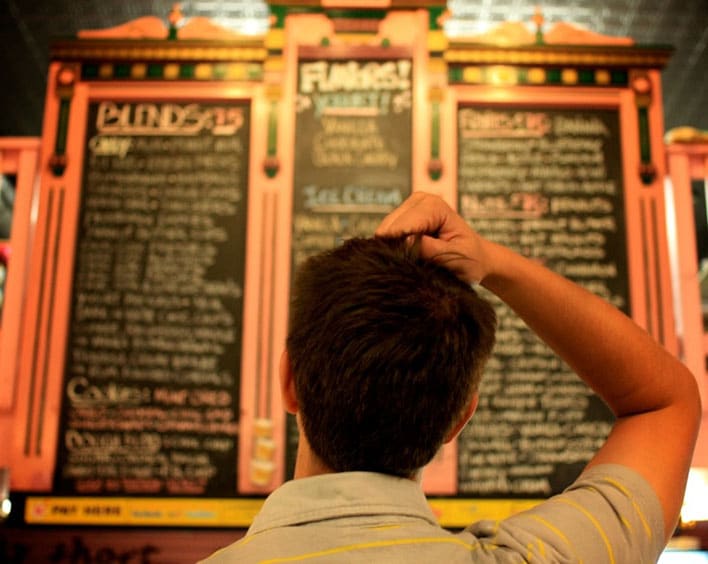
Confusing Array Of Options For Photographers

While many of the standards and practices above have made life easier for web users, the implementation of those standards can vex common business owners that just need to get their site up. It can be analogous to herding cats, and requires a broad range of skills to manage. Because of that, I highly recommend that when you do look for someone to build a custom site, you find a Web Developer instead of just a web designer. They will be skilled in the various areas (or have a team of people skilled in those areas). Here are a number of the skills required to put together a solid, custom website:

* General hosting server operations. The knowledge to move sites, and be able to handle Redirects, 404 errors, etc. is absolutely critical.
* PHP, HTML and CSS experience. These coding languages are the building blocks of the Web.
* SEO (Search Engine Optimization). Google's algorithms are constantly changing, and then every 9 months to a year there comes a big change that turns the SEO industry on its head. A good developer will keep up with this or have a person that they work with directly to stay up to date on these changes.
*  WordPress expertise. This is of course assuming you're using the best CMS out there. A developer knows how to use template files, Custom Post Types, and advanced plugins that enhance your custom website.
* Security. Having a secure website is a big deal. There have been a number of brute force attacks on sites that have rendered them completely useless. GoDaddy's entire infrastructure was down for a full day! A developer will know where you should host and what you should do to prevent these types of attacks.
* Mobile. Responsive website design “responds” to the size of the device you're on whether that's desktop, laptop, tablet, or phone (small device). There are very important things to consider when developing and designing for the various sizes. You definitely want someone well versed in that world.
* UX/UI. User Experience / User Interface. Your website is a tool to make sales for you. How efficient it is at doing that will depend on how well your Developer understands the process that people go through when entering a site. A good developer will suggest strong CTAs (Call To Actions) on home page, and wherever else a potential customer could be enticed into reaching out to you.
* Design. Of course, you want this thing to look pretty, right?!

Who To Hire?

Different developers have different strengths. Personally, I'm rock solid when it comes to SEO, HTML, CSS, UX/UI and WordPress, fairly strong when it comes to PHP, server functions, and security. I'm OK with design, but I still want my clients to have great designs. So I hire a great designer for our custom website builds.

Finding a developer that has these areas under control, either by himself or with a team, is a must in order to get the absolute best product. I've heard a lot of stories of people not getting what they expected. I even know a photographer that had a custom site performed, but was told to never update WordPress! This is a very critical step in preventing security problems, and an example of someone not familiar enough with WordPress to make the site work properly.

I also see beautifully designed sites that will never see the light of day if searched on Google because they failed to structure the site properly, and the SEO is poor. Do yourself a favor and interview the developers you have in mind and find out what their knowledge is in each area. Thoroughly test out the sites in their portfolio. Ask yourself if they have good designs (beware of the “I don’t like the paint on the walls” thing that people say on those HGTV shows). Pay attention to the level of design. Do elements on the page stick out, do they do a good job of balancing the needs of a website with the design, do the sites look like they were designed in the 90’s, does it appear that the designs get better with each and every website?

I'm happy to help you find the right person too. Even if Flaunt Your Site isn’t the right fit, I often help people figure out what the best path is for them. And we’re not always the answer. (I'll even pose as your web developer brother that works for Qualcomm and can't work on your project, if it helps you).
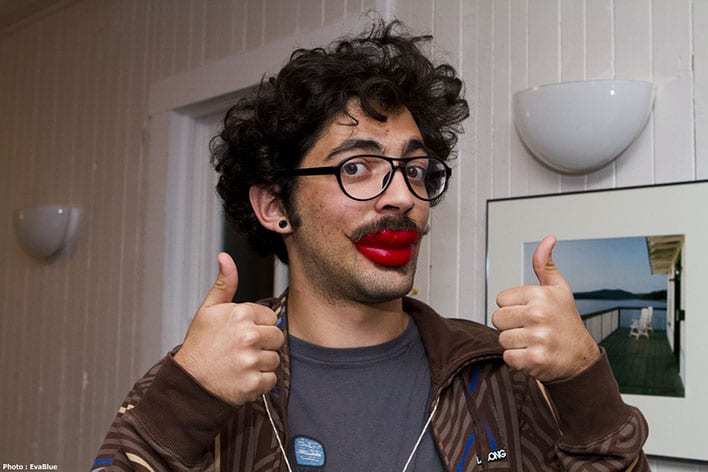
Weird Options For Photographers

Who Not To Hire

* First and foremost, avoid anyone that mentions the word Flash. That should elicit the response of you hanging up the phone, or pretending you don’t speak English. Even if they say it’s mobile friendly, you should still print their email out, and then light it on fire. (Cackling like a witch is totally optional.)
* Anyone spouting anything about HTML5 or CSS3 or other technical mumbo jumbo to influence you into working with them. First, websites are about people and their businesses. The developer’s job is to use the technology to accomplish your goals, not to use buzzwords as leverage to get you to hire them. (I’ll also add that HTML5 doesn’t mean what most people think it means).
* Someone without a portfolio, or a list of previous clients and links to their site. You really want to look at the websites they’ve worked on before.
* The guy that will do an “amazing full custom website” for $500…

Do you remember the last time a $500 wedding turned out “amazing?”  … Yeah, neither do I.

What Developers Cost

Cost is, of course, a huge factor to consider. Custom websites can vary from developer to developer. It will also vary depending on what functionality you want for your site. To give you a range, Flaunt Your Site does full custom sites from $3,000 to $5,000. We can do sites beyond that price point as well, but that tends to be the averages when it comes to our clients.

You will find developers that charge less than that, and you’ll find developers that charge more than that. My suggestion would be to interview more than one person for your project. Just as your clients have no doubt interviewed more than just you to find out who the right photographer.

Whether you hire someone for $1,000 or $10,000, your aim should be to have your new website be the type of investment that actually makes you money. If this isn’t on yours or your developer’s radar, you need to make it a priority quickly. If you’re doing it just to have a pretty site, then that is narcissism or “keeping up with the Joneses” getting in the way of running your business.

The only reason to spend money on a custom site is to increase your bottom line.

I have a personal goal that each website Flaunt Your Site does is directly responsible for our clients gaining 5-10 new clients in that first year.

Be sure to read William Bay's first article in this series.

Filed Under: Home Middle Left, Photography, Web/Tech Tagged With: blog software, content management systems, custom, Custom Designs, Custom Web Design, Custom Websites, Design, Design Website, Flash Based Websites, google, Html, Markup Languages, Photographers, Photography Businesses, php programming language, Pretty Websites, Responsive Website, search engine optimization, Secure Website, Web Development, web display, Website, Website Building, Website Design, Website Launch, websites, Websites Security, William Bay, wordpress

Why Systems & Processes Are Important For Your Photography Business?

June 7, 2014 by Seshu | Editor & Publisher

I've always been a full-time photographer. Like you, I've created list after list in an attempt to streamline my business workflow. What needs to be done first, second, third and so on. In fact, what sub-tasks need to be done?

Quite frequently, the intention was good, but the action was lacking. So, I've ended up derailing my workflow and then played catchup with myself. It's a self-defeating proposition that Leeann Marie, a wedding photographer based in Pittsburgh, Pennsylvania sees all too often in the photo industry.

Leeann is a wonderful photographer but what makes her successful is how efficient she is with her business. She has created systems and processes for every part of her workflow. Leeann credits her background in industrial engineering for creating these systems for her business. For several years now, she has coached and set photographers up with their ShootQ accounts.

We recently spoke on the eve of her webinar, 15 Secrets For Automated Systems:

Want to know how to streamline your photography business? I suggest you learn from the best. Sign up for this free webinar now. Leeann will be leading and ShootDotEdit will be hosting it on June 11th. I can't wait to continue learning from Leeann!

Don Giannatti coincidentally also wrote a blog post about creating systems that you should check out.

Filed Under: Home Middle Right, Interviews, Photography, Video Interviews Tagged With: Automated System, Business Owners, Leeann Marie, photo industry, Photography, Photography Businesses, System Process, wedding photographer, Workflow

When’s The Right Time For A Custom Website?

June 4, 2014 by William Bay

I've been seeing this question, or a level of self-applied pressure to get a cool website pop up lately in some of the forums I belong to. It’s understandable that newer photographers get the idea that in order for them to get more, better, higher paying clients that they need to have an incredibly designed website. But, attached to those websites is often a price tag they’re not ready to pick up. Not to mention, spending that much money for a budding photographer is very premature.

Another thing I see in forums is photographers getting frustrated with their designers, developers, etc. Since I’m both photographer and a web developer, I think I have a good handle on where the communication breakdown happens.

With those two problems in mind, I've put together a 3 part series that will cover the following:

* When and why you should get a custom website
* What to look for in a web developer or designer
* How to effectively work with your developer, and what to do after the website launch

Frustrated - Photo by Dex Creates

The Purpose Of Your Website

So let’s start by defining the actual purpose of your website. The purpose of your website is to clearly provide enough information for potential clients to hire you.

Are there other things your site does? Absolutely. But you don't want to veer too far from that main purpose of your website. As the famous Architect Louis Sullivan once said “Form Follows Function.” The purpose of your site should take priority over the visual quality of your site.

Note that I didn’t say your site needs to be ugly.

If deliberate thought doesn't go into how you're getting found online as well as how people will use your site, how people will hire you, then you'll end up with a pretty website that doesn't bring you clients. We’ll look at those things in a bit, but first let’s look at the benefits you get from having a custom site over a template. Then, we’ll answer the question: When should you consider a custom website?

What Benefits Do You Get From Having A Custom Site?

First and foremost, a custom site will be something completely unique from what everyone else has. It will be exactly what you want, and nothing that you don’t want.

The process of having a custom site built for you includes having a professional walking you through what works and what doesn’t when it comes to websites. A good professional developer will also bring something to the table that you won’t have access to by purchasing a $200 theme.

A custom site is often a much more pleasurable experience for your potential clients to use and find what they’re looking for. That ease of use should result in more people hiring you. Your developer will have thoughts on how people use websites, and how the process of getting potential clients through the sales funnel should work on your site.

You’ll also have someone handling all the technical aspects of the site for you. This will free you up to work on your business, and your photography. Even if you buy a $200 theme, you still have to set it up and learn how to use the theme. You could spend a week or two just getting it the way you like it. Hiring someone to do a custom site for you puts you back in the driver’s seat of your business.

So, When Should You Get A Custom Site?

How long have you been in business? How good is your work? Have you been photographing for a short time, or are you a seasoned vet? Are you still learning your equipment? These are all the first questions you should be asking yourself first.

I find that photographers that decide to jump into business without having essential photography skills such as being able to shoot in manual mode, use light meters, use off-camera flash, et cetera, need to focus on those things before they get distracted with things like custom websites, SEO, marketing, and other business aspects like these. If the product you are delivering isn't of a professional quality yet, people shouldn't be paying for that product just quite yet. So if you’re just starting out, or unsure where you stand, getting a theme for $200 is a good place to start. And if you’re cringing at $200, you shouldn’t be thinking of custom anything for your site – at least, not just yet.

As a point of reference, most of Flaunt Your Site's clients have been in business full-time for at least 2 years, and have been photographing for at least a year or two longer than that. If your work is good, and you're booking consistently, you can use that as an indication that you might be ready for a custom site.

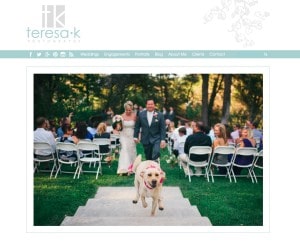
An Example Of A Custom Web Design For A Photographer's BusinessBranding & Visual Identity

Do you have an idea of what you want your business identity to be? Have you formed the values of your business? Are you clear what products you will and won't sell to your clients and how they fit in your offerings? Do you have any packaging in mind yet? There is a lot more to a brand than your logo and colors, but they can be a big part of it. Logo and colors can be a big part of the overall experience when people are introduced to your company. The look and feel can communicate the values of your business, and it usually sets the stage for the type of customers that will contact you as well. You may not have any of this done yet, which is fine. You can work with your web developer to come up with a visual identity, or perhaps your developer has a graphic designer that can work with you to create that.

Client Targeting

Have you been in business long enough to know what types of clients you really enjoy working with? Early on, most photographers are struggling to just get warm bodies to walk through the studio door. As you shoot more and more, you either begin to attract certain types of clients by your style, or you find that you just enjoy certain clients over others and start targeting your efforts towards those people. There are many demographic targets for which you can aim:

* Geographic (certain neighborhoods or suburban areas).
* Ethnic (perhaps you're Vietnamese and you are prominent in the Vietnamese community).
* Religious affiliations (You could specialize in Catholic weddings).
* Occupations (Maybe you came from a specialized business sector and you really connect with people in that industry).
* Organizations (If you belong to clubs or organizations devoted to hobbies or passions, you can find others that share your interests).

These are just a few ideas of where people find their niche. You can imagine how important it is to understand your target market. If the clients you tend to attract are Catholic moms in their 50's, but your site looks like Rock&Roll Bride, those potential clients will run screaming away from you. Your clientele will be a big factor in determining specific design ideas.

Are you attracting people that need larger type that’s easier to read? Are your clients moms on the go that need the information super quick? Are your clients tech-heads that want to know every piece of gear you shoot with? Do your clients feel more at ease making decisions with someone on the phone, where having a big phone number on each page will make a difference?

These questions are by no means exhaustive, but knowing the answers to these questions and having a thorough understanding of your clients will make all the difference when it comes to having an amazing and easy to use website.

If you have questions for William Bay, please post them below in the comments section. He is happy to help you through this process.

Filed Under: Home Middle Left, Photography, Web/Tech Tagged With: custom, Custom Designs, Custom Web Design, Custom Websites, Design, Design Website, Photographers, Photography Businesses, Pretty Websites, web display, Website Launch, websites, William Bay

Business Planning Cookbook For Photographers

May 5, 2014 by Seshu | Editor & Publisher

In this world there are dreamers, planners and doers. For most of my life, I belonged to the first group. You can still find me spacing out. My kids sometimes have to come right up to me and shake me back into the present. Funny as that may be, I know I've lost a good amount of time producing work and growing a business.

While I have become better at planning and making to-do-lists, what stifled me in the past was not having a road map to run a photography business. What are steps one, two and three to get to step 10? I wasn't and am not now looking for any short cuts. I expect there to be a good amount of work involved but when things are fuzzy, most people tend to simply stop doing. This is perhaps the worst thing one can do for oneself, but starting and stopping and starting up again aren't anything new for me. It's how I've done things. Perhaps you are in the same situation?

What if there was the option to start and keep going? That's where the Business Planning Cookbook comes in. Angela Pointon of Steel Toe Images and Zach Prez of Photography Spark, two people I hold in high regard for their long history in helping photographers and business acumen, have teamed up to bring us a new and necessary resource for photographers who are serious about staying the course.

Business Planning Cookbook By Angela Pointon and Zach Prez

They begin with an exercise in defining your vision. Get the free PDF that walks you through your business vision statement. This resource also gives you an idea of what to expect in the Business Planning Cookbook; worksheets and videos to guide you every step of the way.

Here's what you receive when you buy Business Planning Cookbook:

  • Goal-setting guidance and direction for building targets for your business you’ll be motivated to hit
  • A crash course in writing a vision statement — one that challenges you to think bigger, reach higher, and achieve greater success
  • Serious focus to the business objectives and tasks that matter, reducing the distracting, ineffective stuff most photographers waste time on
  • A killer, proven formula for determining which marketing channels will work and inspiration for rocking your marketing and sales
  • A simple guide to financial goals and predictions that anyone can use to plan out their revenue and income, even if numbers aren’t your thing
  • Confused about how to run your business, stressed out about money or anxious about when the next client will come walking through the door? Consider buying the Business Planning Cookbook today.

    Special bonuses when you decide to invest in your business:

  • 12 videos to expand on key business topics
  • 10 worksheets to help you brainstorm, plan, and practice the lessons
  • Exclusive business planning community membership, led by Angela & Zach
  • It's on sale through May 20th for only $79. Isn't peace of mind worth that small price? Price bumps up to $99 after that date.

    Filed Under: Business, Most Popular Posts, Photography Tagged With: angela pointon, Business Objectives, Business Plan, business plans, Business Vision, Photography Businesses, planning, Road Maps

    Salesographer For Savvy Portrait & Wedding Photographers

    April 23, 2014 by Seshu | Editor & Publisher

    I posted the sales link to Salesographer on Facebook a few days ago and one photographer who took me up on it said this:

    Hi Seshu, I followed your link to Salesographer. Bought it and really like his straight forward approach to pricing and sales!

    You are probably wondering what Salesographer is all about. Fair question!

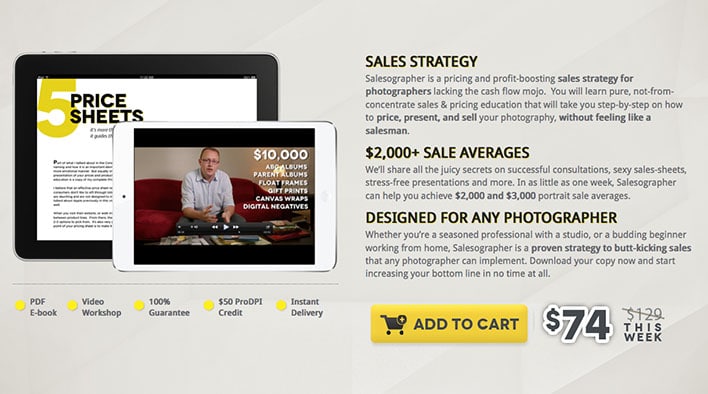
    “Salesographer is a pricing and profit-boosting sales strategy for photographers lacking the cash flow mojo. You will learn pure, not-from-concentrate sales & pricing education that will take you step-by-step on how to price, present, and sell your photography, without feeling like a salesman.”

    Yep, that's straight from the Salesographer website. I couldn't say it any more simply so I figured I would just quote from it.

    This guide and set of step-by-step helpful videos were initially produced by Spencer Boerup (who went on to become the genius behind MagMod). Chris and Adrienne Scott, the folks behind the incredible Preveal iPad application bought Salesographer a few months ago from Spencer, as it complements their original mission to empower wedding and portrait photographers make a sustainable living through tools, applications and now resources.

    Salesographer On Sale

    One photographer asked me: “Have you used this Seshu? Did it change your business dramatically?”

    Again, a fair question. Whether Salesographer is $74 (as it will be till April 28th, Monday evening) or $349, when it was first offered by Spencer, one absolutely needs to know whether a product, service or resource is going to help our bottom line.

    So here is my response to that photographer:

    “Yes, I have used it. I have adapted a great many of the steps included in this guide to make it my own process. In my experience, there is no cookie-cutter solution out there. One absolutely must adapt it one's unique business condition. What Salesographer does is give you a great foundation to begin to do just that. Also, I wouldn't be promoting it if I didn't believe strongly in this resource for photographers.”

    My recommendation? Buy it before Monday and save some money. Read the guide. Watch the videos. Take notes. Put it all into action and then make a decision. If you are actively working as a photographer, you shouldn't have any trouble seeing whether this works for you or not. The Scotts are also offering a 30-day money back guarantee.

    When you buy Salesographer now you'll receive:

  • 90 minutes of video education
  • an e-book guide
  • access to a private community to discuss the teachings
  • a $50 gift card from ProDPI (the best printing lab I know)
  • a custom pricing sheet
  • a sales & order form that you can customize and use with your clients
  • a consultation form that you can customize and use with your clients
  • All this for $74? I think that's an incredible deal that you can't afford to pass up.

    Give it a shot before April 28th because I know you are a savvy photographer who seizes opportunities like this to run your business.

    If you have any questions, please holler below. I am happy to answer them to the best of my ability or ask Chris Scott to chime in. How does that sound to you?

    Filed Under: Business, Home Middle Right, Photography Tagged With: Book Guide, Business, clients, in-person-sales, photographer, Photographers, Photography, Photography Businesses, portrait photographers, sales, Salesographer

    • « Previous Page
    • 1
    • 2
    • 3
    • 4
    • Next Page »

    Subscribe To Tiffibox Treats!

    Looking for a well-curated email newsletter that will leave you inspired and motivated about your photography business? Sign up below!

    About Seshu

    Seshu creates relaxed portraits of families and high school seniors in Avon, Connecticut. He also leads a successful headshot photography studio in Connecticut, helping professionals from a variety of disciplines project the very best versions of themselves. He created Tiffinbox as a way of inspiring photographers, to create better images and successful businesses. [Read More]

    Email Templates For Headshot Photographers

    Email Templates for Headshot Photographers

    Recent Posts

    • How Capture One Changed My Event Photography
    • 10 Steps To Stay Positive In Times Of Great Stress
    • Why You Need To Read “Personal Branding For Photographers” Now
    • How To Master Your Website Content Step By Step?
    • Tony Taafe’s TNT Method For Headshot Photographers

    Recent Comments

    • Stephen Davison on Are You A Business Owner Who Is Smart, But Stuck?
    • Ben A. on Don Giannatti Clinches The 8th Annual Tiffinbox Award
    • Dan on Don Giannatti Clinches The 8th Annual Tiffinbox Award
    • Donald Giannatti on Don Giannatti Clinches The 8th Annual Tiffinbox Award
    • Stephen Davison on G.E. Masana’s 6 Strategies For Wedding Photography Success
    • Naveen Kumar on Weddings In India Are More Than Being At The Right Place And At The Right Time
    • kartick on Weddings In India Are More Than Being At The Right Place And At The Right Time
    • Leonid Farbman on 6 Uncommon Trends To Grow Your Photography Business
    • Willow and Finch Wedding Photography on 11 Reception Tips To Help Your Wedding Photography
    • Web Designer Malaysia on How To Optimize Your Squarespace Website For Search Engines
    • Creastan on An Interview With Photojournalist G.M.B. Akash
    • Cindy Brown | Atlanta on An Open Letter To A Local Photographer

    Become a Patron!

    Copyright © 2026 · Tiffinbox · Site Design by Heather Mackan Creative · Built on Genesis